


The Transformative Power of Gender-Balanced Politics
The Global Landscape of Political Representation
Women currently occupy only 27.2% of parliamentary positions worldwide. While this marks an increase from 11.3% in 1995, progress remains significantly uneven across regions.
Countries with higher female representation in governance not only benefit from improved equality but also experience notable economic advantages. For instance, research indicates that a 10-percentage-point rise in women’s representation correlates with a 0.74-point increase in GDP growth.
Case Studies in Progress
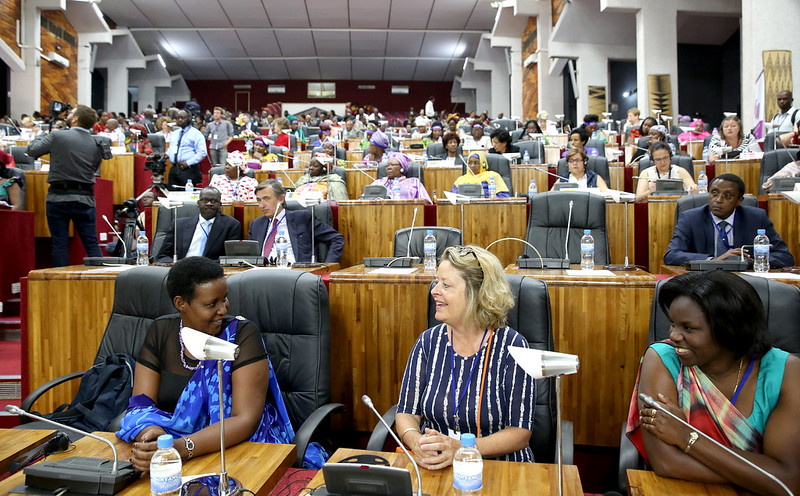
Rwanda stands out globally, with women holding approximately 63.8% of parliamentary seats. Following the 1994 genocide, targeted reforms empowered women to play pivotal roles in rebuilding national institutions. This increased female representation is linked to a significant reduction in poverty, with rates declining by nearly 18 percentage points between 2001 and 2014.
In Nepal, women’s participation in local councils has surged, enabling them to influence budgets and educational programs. Additionally, countries like Finland have long implemented policies led by women that promote affordable childcare and universal education, demonstrating the positive impact of gender-inclusive governance.
Mechanisms to Achieve Gender Balance
To advance gender-balanced politics, various strategies are employed, including:
- Quotas: Countries that enforce gender quotas average 31.2% female representation, compared to 16.8% in those without such measures.
- Mentorship: Supportive networks and training initiatives help women navigate the political landscape.
- Civic Education: Public awareness programs encourage societal shifts toward gender equality.
Despite these efforts, challenges such as cultural norms, unequal campaign funding, and harassment still pose significant barriers to women in politics.
Implications of Gender Inclusion
When women participate in governance, the focus shifts to policies that enhance social welfare. Countries with a higher proportion of women in leadership roles tend to prioritize investments in early education, maternal health, and social protection, contributing to greater economic inclusivity and reduced gender disparities.
Furthermore, governments that reflect their population’s diversity are more effective at equitably distributing resources, ultimately benefiting all citizens.
Path Forward: A Call for Inclusive Governance
Achieving gender-balanced politics is not merely a matter of equality; it is a crucial strategy for building resilient and thriving societies. The experiences of Rwanda and Nepal illustrate the potential for transformative change when women influence national policy.
As more nations adopt these practices, gender balance will increasingly emerge as a strategic approach to combat poverty and foster comprehensive societal development.
