


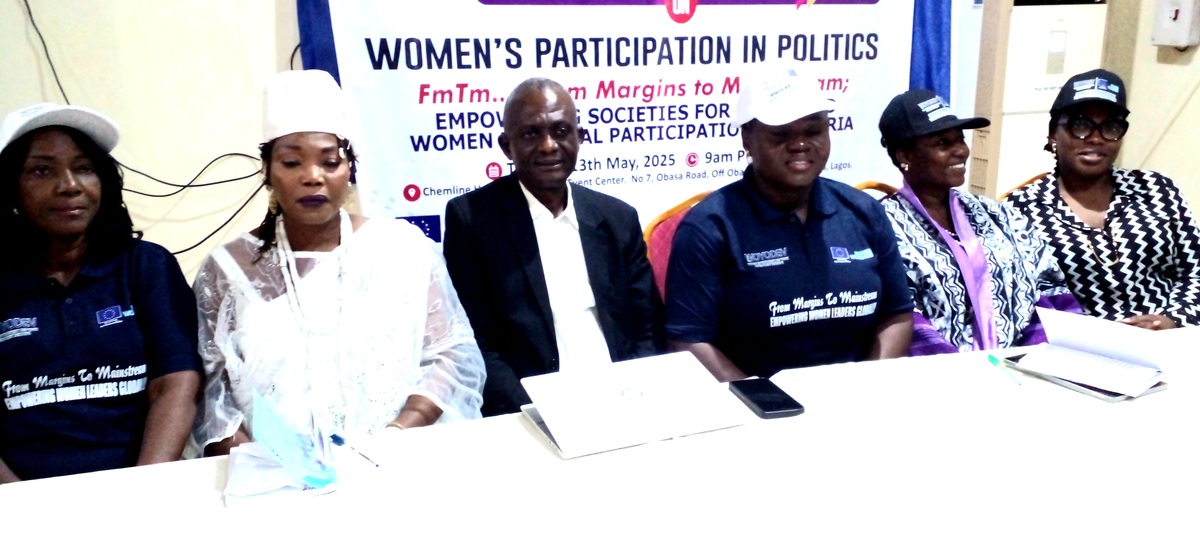
Empowering Women for Political Participation in Nigeria
As Nigeria approaches its next general elections, women from various backgrounds are being urged to enhance their political awareness and engage more robustly in partisan politics. This call to action was made during a significant summit held in Lagos on Tuesday, organized by the Women Environment and Youth Development Initiative (WOYODEV), a non-governmental organization dedicated to championing the interests of women and youth.
Summit Highlights
Themed “From Margins to Mainstream: Empowering Women for Political Participation in Nigeria,” the forum gathered a diverse group of women and young girls, including those with disabilities, from different political affiliations.
Mrs. Tosin Apiriola-Ajayi, the convener and Executive Director of WOYODEV, outlined three primary objectives of the summit:
- To foster strong and sustainable feminist movements that enhance women’s political involvement.
- To challenge prevailing social norms that deter women’s participation in political decision-making.
- To empower women to assume leadership roles within political structures.
Focus Areas and Goals
Apiriola-Ajayi announced that the initiative, backed by the European Union (EU), will initially focus on three states: Lagos, Enugu, and Kwara. She emphasized the need for Nigerian women to step up and compete for political roles at both governmental and party levels.
“We want full and active inclusive participation of women, both old and young, in political activities,” said Apiriola-Ajayi. She highlighted that Nigeria is rich in competent women capable of performing on par with men if given the chance. However, cultural norms and economic limitations often impede their progress.
Barriers to Women’s Participation
During the discussions, local leaders such as Mrs. Mazeedat Giwa, Councillor and Majority Leader at Lagos Island East Development Council Area, noted that the political arena in Nigeria is predominantly male-dominated. Factors such as cultural biases, financial constraints, and time limitations continue to pose challenges for women. Furthermore, societal comfort levels regarding female leadership often fall short, affecting the support women receive.
Giwa remarked, “Women must go beyond singing and dancing at political rallies and rise above barriers that limit their participation in politics.” She emphasized that engagement requires more than just voting; it involves actively competing for and winning elective positions, urging women to take immediate action.
Progress and Encouragement
Despite the challenges, both Giwa and her colleague, Mrs. Abisodun Odusina, from Isolo LCDA, expressed optimism about the rise of women in political roles within Lagos State. They reported an increase in female councillors from 22 to 42 in local government positions and anticipate this number could reach at least 100 in the upcoming electoral cycle.
“To develop a woman is to develop a nation,” they concluded, calling for greater solidarity among women to support one another in leadership roles.
Participants’ Perspectives
Attendees shared positive feedback, stating that the summit enlightened them on the significance of engaging in political roles. Many pledged to take proactive steps to support other women in leadership positions.
This summit represents a crucial step toward reshaping the political landscape in Nigeria, emphasizing the vital role women must play in creating a more inclusive governance structure.
