


The Future of Energy: Advancements in Nuclear Fusion
The Promise of Fusion Power
Nuclear fusion, the process that powers the stars, has long fascinated scientists and researchers. Initially proposed in the 1920s, this method involves fusing hydrogen isotopes to produce helium, releasing vast amounts of energy in the process. The allure of fusion power lies in its potential to provide a virtually limitless source of energy without the harmful carbon emissions associated with fossil fuels, nor the long-lived radioactive waste produced by traditional nuclear fission reactors.
To put the energy potential into perspective, fusion can yield approximately four million times more energy than burning conventional fossil fuels, such as coal, oil, or gas, while avoiding the detrimental environmental impacts associated with their combustion.
Recent Milestones in Fusion Research
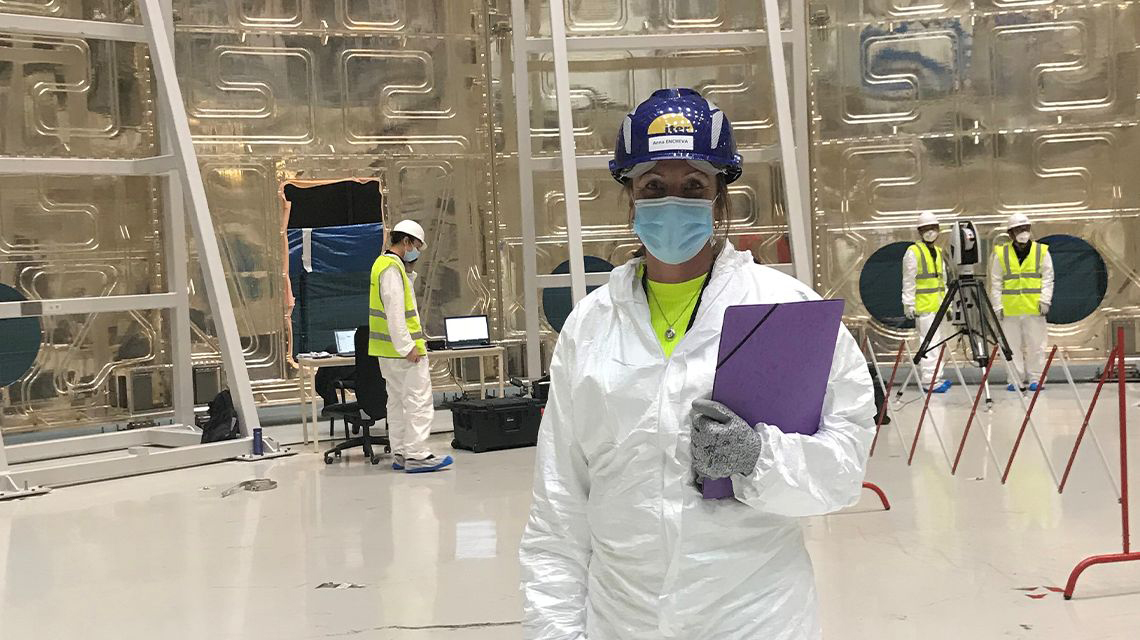
After decades of extensive experimentation and exploration, significant progress has been made towards achieving practical fusion energy. A landmark development occurred recently with the construction of the world’s largest Tokamak at the ITER facility in France. This endeavor has been in the works for over ten years, and its assembly represents a key step in harnessing the power of fusion for energy production.
Private Sector Interest and Opportunities
The fusion energy sector is seeing increasing interest from privately funded companies, which are leveraging the expertise gained from years of publicly supported research. These commercial ventures are poised to explore innovative pathways to make fusion energy viable and effective.
“Over the last years, we have seen fusion advancing quicker than ever before, opening new job opportunities and inspiring career horizons,” said Sehila Gonzalez de Vicente, Nuclear Fusion Physicist at the IAEA. “Fusion could offer an exciting career path for young professionals and give them the chance to be a part of achieving significant milestones and breakthroughs in this field, such as net energy gain.”
