


Empowerment of Women in Eastern Ladakh: The Role of the Indian Army
A New Vision of Patriotism
The Indian Army’s initiatives in Eastern Ladakh serve as a powerful model of modern patriotism, emphasizing not just territorial defense but also social upliftment and empowerment of women in the region.
The Resilient Spirit of Ladakhi Women
Women in Eastern Ladakh exemplify an extraordinary blend of toughness and grace. Their lives are shaped by the harsh geographical and climatic conditions of the region, which sits at altitudes between 14,000 and 18,000 feet. Battling severe cold temperatures that can drop to -30°C and an environment often lacking vegetation, they have adapted to one of the world’s most challenging living conditions.
Roles and Responsibilities
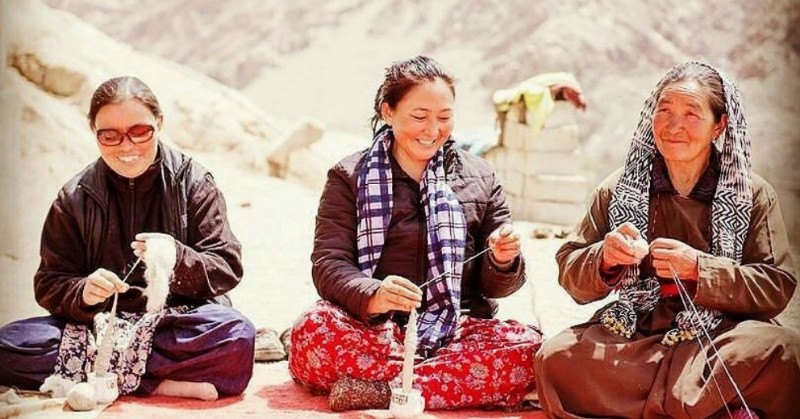
Beyond traditional roles as caregivers and homemakers, many women are integral to the Kyrgyz Changpa tribal flock, managing livestock such as Pashmina goats. They skillfully spin the finest wool while also looking after children, caring for the elderly, and preserving their unique cultural heritages.
Confronting Multi-Faceted Challenges
These women face a triad of challenges: climate change, geopolitical tensions, and gender inequity. The glacial retreat and erratic weather patterns threaten their water supply and traditional pastoral activities. Furthermore, residing in a geopolitically sensitive area near nuclear neighbors China and Pakistan adds another layer of risk to their daily lives.
Insufficient Resources and Access
Despite their resilience, many villages such as Demchok and Nyoma lack basic infrastructure, including reliable internet and accessible roads. The journey to health facilities can be perilous, often requiring expectant mothers to travel over 100 kilometers on ponies or army vehicles. Educational opportunities for girls in areas like Durbuk and Korzok remain woefully inadequate.
The Indian Army’s Role in Empowerment
In this landscape of struggles, the Indian Army has adopted a transformative role, extending beyond mere border protection. Through initiatives like Operation Sadbhavana, they have established women’s empowerment centers and educational programs in some of the most remote areas of the country.
Collaborative Efforts with Local Enterprises
One significant collaboration has been with Looms of Ladakh, a women-led enterprise that has received logistical and strategic support from the Army. Together, they empower female artisans and war widows, providing them with opportunities to revitalize traditional crafts and achieve economic independence.
Strengthening Women’s Voices
The ‘SHE’ initiative (Strengthen Her Empowerment) further contributes by offering vocational training and health awareness courses aimed at equipping women with essential life skills.
Cultural Revitalization Through Arts
The Army’s support of events like the Ladakh International Music Festival has created platforms for women artists to showcase their talents, enriching the cultural fabric of Indian society while offering economic opportunities.
Real-Life Stories of Transformation
Individual stories illustrate the profound impact of these initiatives. For instance, Nawang, a war widow, has become an entrepreneur through an Army-supported weaving cooperative, while Lieutenant Rekha carries on her fallen husband’s legacy by joining the Army herself.
Conclusion: A Path to Inclusion and Agency
The Army’s presence in Eastern Ladakh exemplifies a harmonious blend of defense and development, where the empowerment of women is not just a policy but a fundamental commitment to national identity. The journeys of these women signify a shift from mere survival to active participation in shaping their futures, demonstrating that the intersection of social security and national security is vital for a thriving India.
