


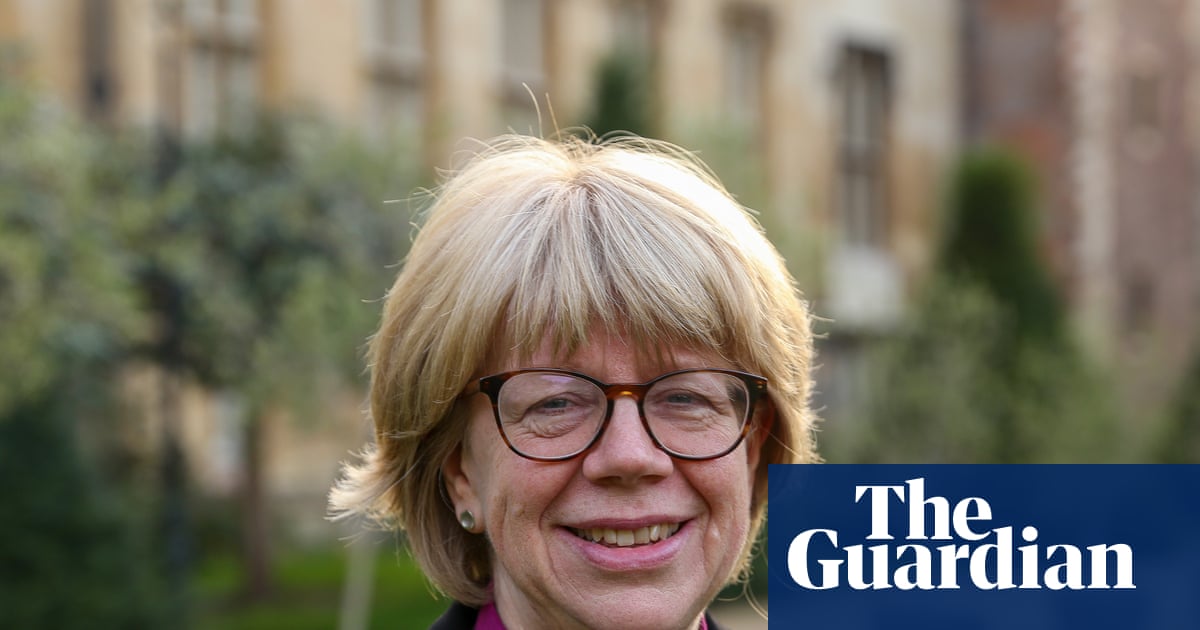
Sarah Mullally’s appointment as the next Archbishop of Canterbury has elicited discussions highlighting her numerous strengths and capabilities. However, the conversation has also prompted a critical examination of the church’s traditional views regarding the ordering of ministry.
It is important to clarify that adherence to Anglican orthodoxy doesn’t imply a stance of misogyny. Rather, it is based on a long-standing interpretation of scripture and tradition that predates modern cultural debates surrounding gender roles.
Supporters of traditional ministry structures express their beliefs not out of prejudice, but from a deep-rooted theological conviction. They maintain that the essence of ministry is not a matter of individual aptitude or personal worth but rather represents a distinct role before God. While this perspective may be contentious, dismissing it as mere bigotry overlooks the theological arguments that underpin it.
The Church of England has faced challenges in recent years, not solely due to varying theological beliefs but largely due to the lack of tolerance for diverse viewpoints. A truly broad church must safeguard the right to individual conscience and facilitate open discussions.
A positive shift within the church could emerge if the new archbishop embodies a model of gracious unity grounded in theological understanding. Such an approach should not involve silencing dissent, but rather demonstrating that conviction and respect can coexist within public expressions of faith. This approach stands to engage younger generations, revealing that Christian belief can still possess both intellectual rigor and moral depth.
In conclusion, facilitating respectful dialogue among differing opinions would signify a path toward renewal within the Church of England, ultimately enriching its community and impact on society.
