


Bridging the Digital Gender Gap in Africa: The Role of Education
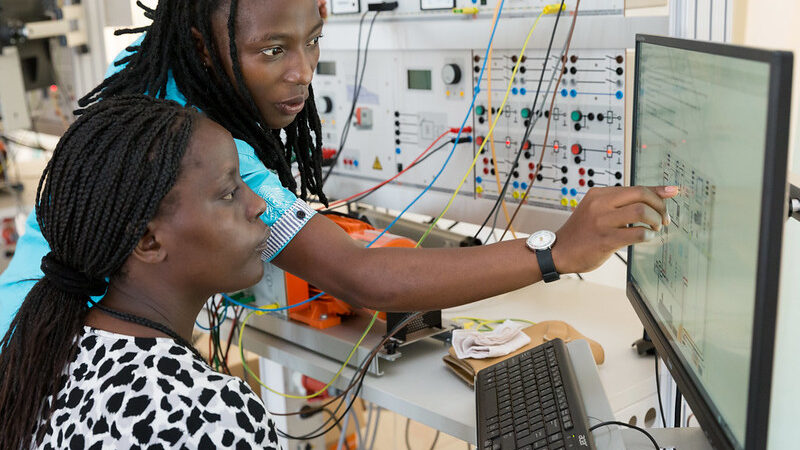
Women at the African Center of Excellence in Energy and Sustainable Development, College of Science and Technology, University of Rwanda.
As Africa experiences rapid digital transformation, the inequalities within this shift are glaring, particularly impacting women. The need for robust measures to protect digital rights and enable digital literacy cannot be overstated. In an email interview conducted by Global Voices, Togolese lawyer and digital rights advocate, Winnie Aicha Tchedre, sheds light on how education can mitigate these disparities.
The Importance of Digital Education
“Digital education is essential for development and digital inclusion in Africa, but only if designed with and for women and other marginalized groups.” – Winnie Aicha Tchedre
Tchedre emphasizes that gender is central in addressing the digital divide in African nations. In particular, women face significant barriers to accessing digital technologies due to socio-economic factors, cultural norms, and educational limitations. Without inclusive digital education that takes gender considerations into account, existing inequalities could deepen. Programs that successfully include women in digital training can lead to economic empowerment, improving access to resources like online marketplaces and digital health services.
Gender Integration in Digital Projects
To ensure that digital projects effectively address female needs, a structured approach integrating gender analysis is critical. Tchedre points out:
“Collecting gender-disaggregated data early on in the project is necessary to analyze the real needs, barriers, and impacts affecting women and men.” – Winnie Aicha Tchedre
Involving women in the design phase of digital tools and training programs is essential. Consideration should be given to creating accessible interfaces and educational materials in local languages, catering to various knowledge levels. This approach not only enhances inclusivity but also increases overall effectiveness.
Barriers to Accessing Digital Technologies
Women encounter numerous obstacles in accessing digital technologies, particularly in Togo. Some of these barriers include:
- Sociocultural challenges that continue to perpetuate the notion that “women don’t belong in the digital world.”
- Lack of knowledge regarding digital tools beyond social media.
- High costs of internet access, particularly affecting women in rural areas.
- Fear of online violence and harassment, which serves as a deterrent to engaging with digital platforms.
The Impact of Gender Stereotypes on Digital Content
Gender stereotypes significantly affect the representation and treatment of women in the digital sphere. Tchedre notes:
“Stereotypes intensify inequalities, marginalizing women experts while reinforcing prejudicial views.” – Winnie Aicha Tchedre
Many women feel deterred from engaging with digital technologies due to the pervasiveness of sexist content on digital platforms. In Togo, mechanisms exist to report digital harassment, yet awareness of these rights remains low. This lack of knowledge hinders women’s ability to advocate for themselves when confronted with online abuse.
The Legal Framework for Gender Equality in Digital Spaces
While progress has been made, the enforcement of gender equality laws in the digital realm remains a challenge. Initiatives such as the Maputo Protocol and the African Union Agenda 2063 aim to foster a more inclusive digital environment. As noted by Tchedre:
“Binding laws on digital inclusion and strengthened provisions against discriminatory algorithmic biases are vital for the future.” – Winnie Aicha Tchedre
Current legal frameworks must evolve to embrace the nuanced challenges of gender-based violence, including online harassment. Although some countries have instituted specific laws to address these issues, significant gaps remain in their effectiveness and implementation.
Conclusion
The path to achieving digital equality in Africa is complex and multifaceted, requiring a concerted effort to address the unique challenges faced by women. Empowering women through digital education and advocating for inclusive policies are essential steps toward building a fair and sustainable digital landscape. As highlighted by Tchedre, “Digital equality isn’t a luxury; it’s a necessity for equitable development in Africa.”
