


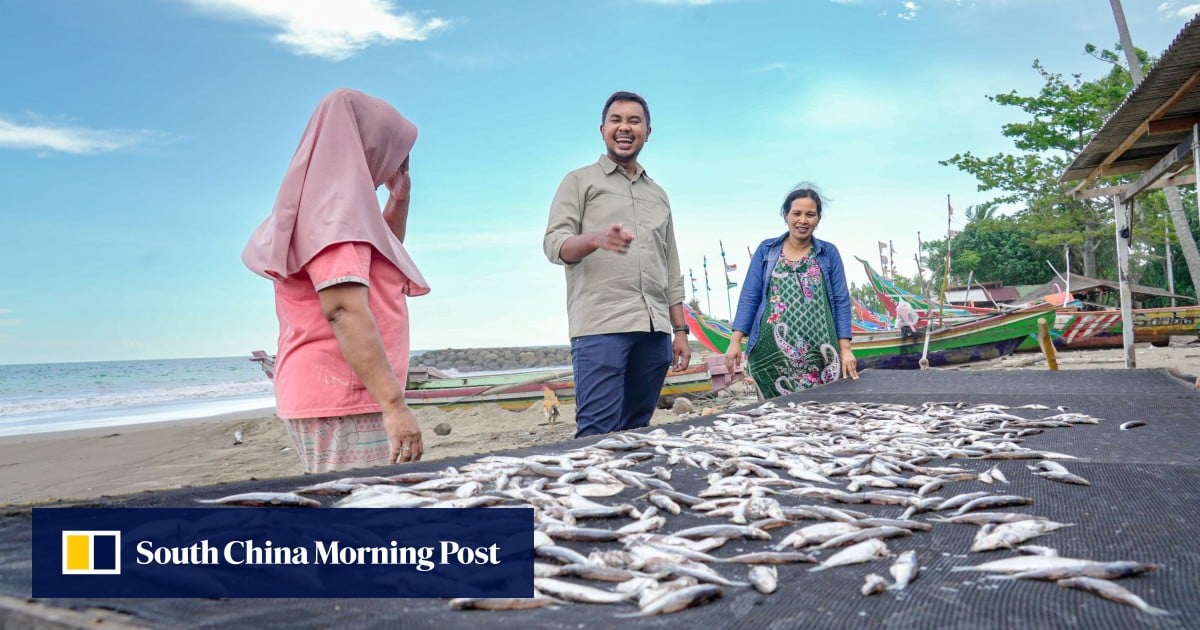
In the expansive archipelago of Indonesia, many women entrepreneurs in rural regions struggle to access traditional banking services. This gap is increasingly being bridged by financial technology (fintech) companies that offer microloans, especially as economic pressures intensify.
The Rise of Fintech Solutions
Among the key players in this evolving landscape is Amartha, a lending platform headquartered in Jakarta. Established in 2010, Amartha has facilitated connections between borrowers in underserved communities and financial institutions. According to recent data, the platform now supports approximately 3 million active borrowers, with an impressive 99% being women running micro, small, or medium enterprises (MSMEs).
Significance of MSMEs in the Economy
MSMEs form the backbone of Indonesia’s economy, contributing over 60% to the country’s gross domestic product (GDP) and employing nearly 117 million people, which accounts for 97% of the national workforce. Despite their critical role, most of these enterprises operate informally, lacking proper credit histories and access to capital.
Fostering Economic Inclusivity
Amartha’s chief executive, Andi Taufan Garuda Putra, expressed pride in the platform’s commitment to serving not just urban borrowers but also those in remote islands across Indonesia. “Our growth is mostly contributed from outside Java and the big cities, so our borrowers, we can say, are from underserved communities,” he stated during the Asia Grassroots Forum held in Bali last month.
Loan Services Offered by Amartha
Amartha provides working capital loans ranging between US$400 and US$1,330. By connecting rural borrowers with local lenders, the platform has disbursed over 35 trillion rupiah (around US$2.2 billion) since its inception. This financial support primarily benefits women entrepreneurs in lower-income or geographically isolated areas.
Conclusion
Through initiatives like Amartha, the landscape of financial inclusion in Indonesia is gradually transforming, providing crucial support to women-owned MSMEs in remote regions. As fintech solutions continue to emerge, they offer new pathways for economic empowerment and resilience in the face of growing economic challenges.
