


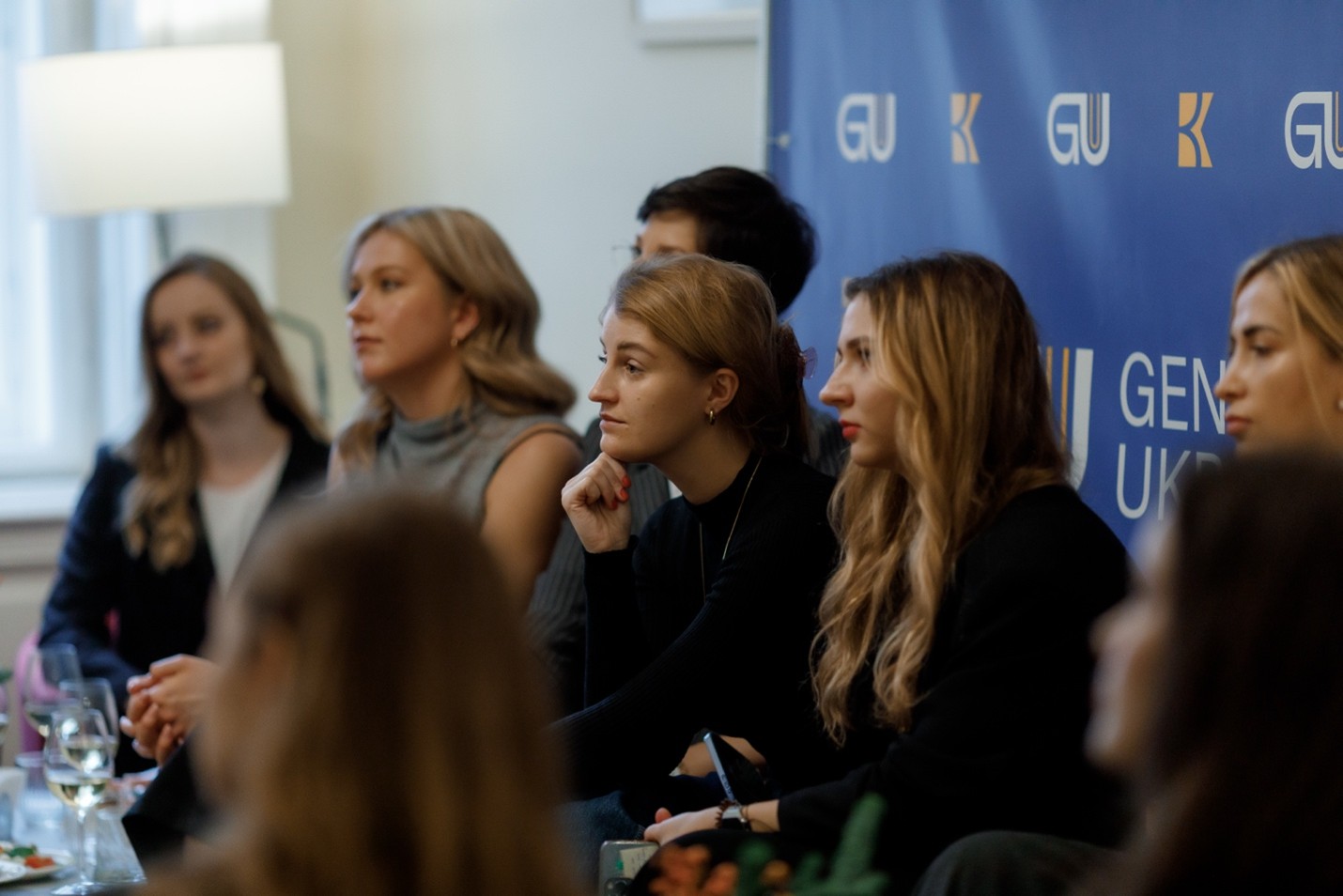
Understanding the Gender Gap in Entrepreneurship
Despite advancements, female entrepreneurs remain underrepresented globally, with particular challenges persisting in Europe. Data from the OECD indicates that women are only 60% as likely as men to start their own businesses, and fewer than 4% are currently working on their own startup ventures. This trend necessitates deeper exploration into the barriers that women face in entrepreneurship.
The Missing Women Entrepreneurs
Women comprise a staggering 75% of the “missing entrepreneurs” in the European Union, according to research by the OECD and the European Commission. This statistic implies a significant untapped potential, as many women are deterred from entrepreneurship by limited access to capital, education, networks, and relevant skills. If women could engage in early-stage entrepreneurship at the same rate as men aged 30-49, Europe could see an increase of 5.5 million women entrepreneurs.
The Economic Impact of the Gender Gap
While there has been some progress in narrowing the gender gap in entrepreneurship, the pace of change remains slow, leading to missed opportunities for economic growth and job creation. Key factors contributing to this gap include challenges in securing financing. Research shows that businesses founded by men receive twofold funding compared to their female counterparts, despite studies that reveal women-led businesses can produce double the revenue per invested dollar. The finance gap for women-owned micro, small, and medium-sized enterprises is estimated to be $1.7 trillion, underscoring the urgent need for action.
Supporting Women’s Entrepreneurship for Economic Growth
In September 2024, Mario Draghi, former Prime Minister of Italy, unveiled a European competitiveness plan that emphasizes the vital role of women in enhancing economic dynamism. By harnessing female entrepreneurship, Europe could address its competitiveness issues while utilizing a powerful asset for job creation and innovation. The example of Ukraine illustrates this potential, where by 2025, one in three businesses is expected to be run by women.
The Resilience of Women Entrepreneurs
Women not only have the capability to be successful entrepreneurs but also bring unique attributes to business. Their greater emotional intelligence, adaptability, and willingness to learn are crucial in navigating today’s unpredictable economic landscape. These qualities allow them to create resilient business models amid uncertainty and rapid changes.
Challenges in Business Operations
Launching a business in the EU poses challenges for both genders. Early-stage entrepreneurs must navigate complex regulatory and administrative processes, which vary across member states. This can serve as a deterrent, particularly for those new to the entrepreneurial journey.
The Case for Policy Support
Women’s entrepreneurship is increasingly recognized as a key contributor to economic prosperity. Wells Fargo states that women-owned businesses generate approximately $2.7 trillion in revenue annually, signaling significant potential for similar success in European markets. To unlock this potential, robust policy frameworks are essential. These frameworks should prioritize resource allocation for business development, support networks for women entrepreneurs, and educational initiatives targeting young aspiring female business leaders.
Conclusion: The Path Forward
The persistence of the gender gap in entrepreneurship indicates a profound need for change. Encouragingly, women are already making strides in establishing businesses and showcasing their capabilities. Highlighting successful female entrepreneurs can inspire future generations and encourage more women to pursue their entrepreneurial dreams. As Europe stands at a crossroads, fostering an environment that supports women entrepreneurs is crucial for economic advancement and innovation.
Julia Kril is the Executive Director at B&K Agency.
