


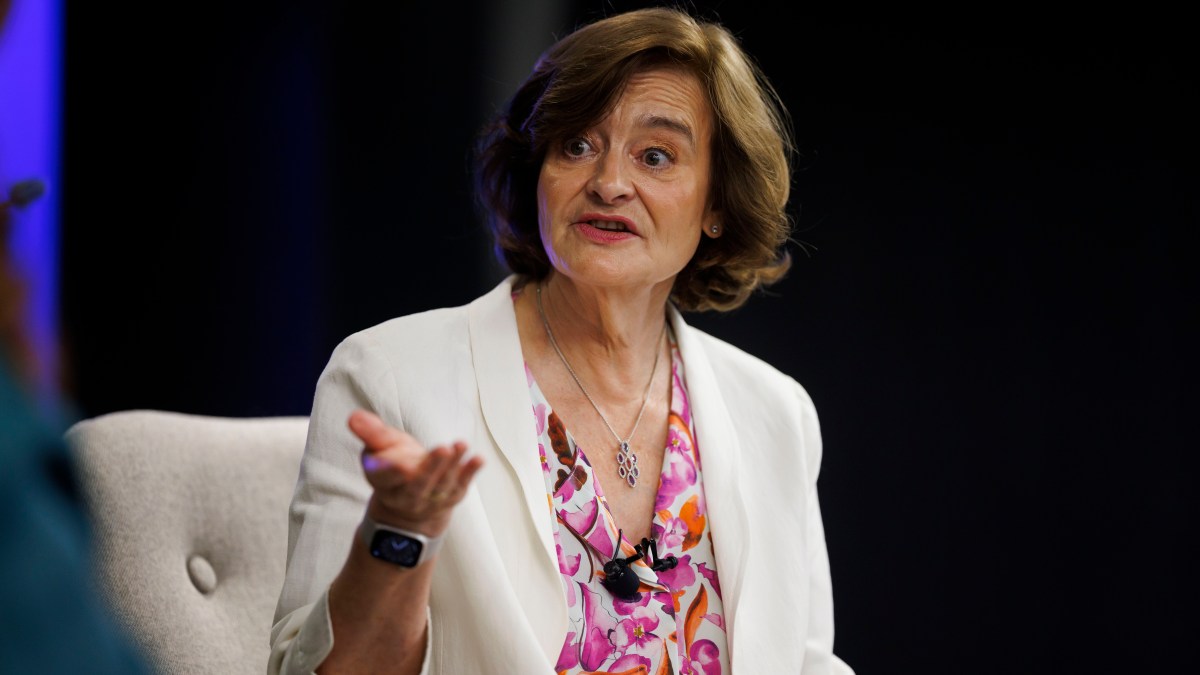
Cherie Blair on Financial Independence and Women’s Empowerment
Overcoming Early Challenges
Cherie Blair, a prominent lawyer and activist, shared insights into her life during a recent event focused on women’s financial empowerment. At 70, Blair reflected on a childhood marked by financial insecurity after her father, actor Tony Booth, left the family when she was just eight years old. With her mother, Gale, lacking the educational qualifications needed for well-paying jobs, Blair became acutely aware of the family’s economic struggles.
“My mother had to give up her schooling at 14 to care for her own father. When I saw her endure hardships, it motivated me to pursue a law degree, so I could secure my future,” Blair explained.
The Importance of Financial Independence
Blair has been candid about the importance of financial independence for women, stating, “A woman who has financial independence has the ability to make her own choices. If she doesn’t have her own money, those choices are being made for her, not by her.” This belief guided her decision not to give up her career as a barrister when her husband, Tony Blair, took office as Prime Minister.
Despite some assumptions that she should step back, Blair noted: “I put a lot of effort into my career. Why would I change my job just because my husband has changed his?”
A Commitment to Women’s Causes
Blair has dedicated much of her professional life to advocating for women’s rights and financial empowerment. Through the Cherie Blair Foundation for Women, she aims to support women in developing countries, allowing them to grow or establish successful businesses. “Women change the world for the better, and in this world, money counts,” she asserted.
Highlighting the disparities women still face, she remarked on the slow progress in some regions. “Across the globe, many women are still in financial situations reminiscent of the 1970s or worse,” she added.
Shifting Perspectives on Work and Flexibility
Discussing the recent shift towards remote working due to the pandemic, Blair noted the flexibility it has provided for working mothers. However, she cautioned against complete reliance on remote work, emphasizing the importance of in-person interaction for junior staff to learn from their more experienced colleagues.
Challenges to Advocacy Work
Blair expressed concern regarding recent political shifts in the U.S. that threaten diversity and inclusion initiatives. She mentioned that these changes have directly affected her foundation’s projects, particularly a program in northern Kenya aimed at providing business training and loans to women.
“Currently, we face a situation where funding is being cut from programs that support equality, diversity, and inclusion,” she stated, reinforcing her belief that such initiatives are vital for societal progress.
