


The Role of Women in STEM: A Pathway to Gender Equality
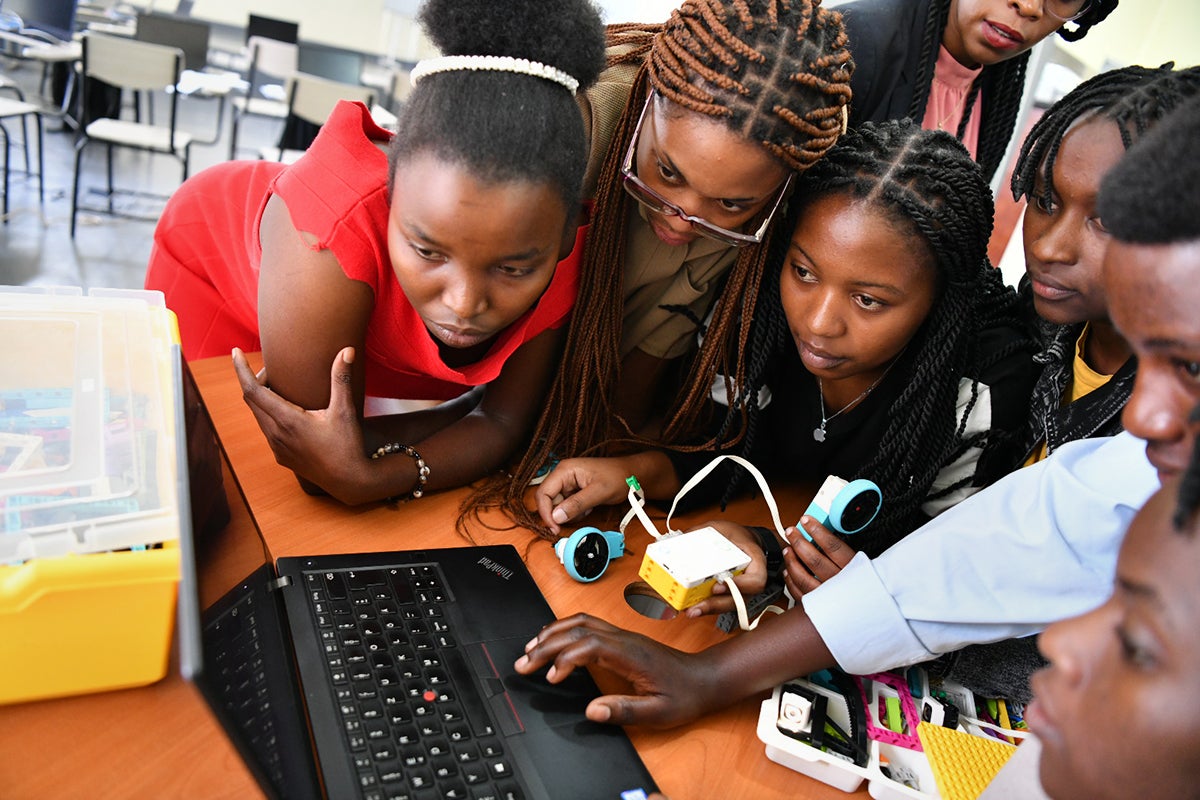
The potential of science and technology to drive positive change for gender equality is immense, exemplified by inspiring young figures like Natacha Sangwa from Rwanda. At a coding camp supported by UN Women, she leveraged robotics and advanced technologies to develop a climate-responsive prototype. Natacha expressed her commitment, stating, “One of the ideas I developed through this programme was to build a mechanized irrigation system to enhance productivity and yields in rural areas.” Her determination highlights a significant effort to elevate the presence of women and girls in the tech landscape.
A Demographic Shift in the Workforce
Looking ahead, the African continent is expected to see a significant influx of new workers, with projections indicating that over the next three decades, a majority will be under 25. This demographic shift underscores the pressing need for skills development in science, technology, engineering, and maths (STEM), sectors critical for future employment. It is essential to invest in programs that empower young women and provide them with the resources and opportunities to combat stereotypes and discrimination.
The Current Landscape for Women in STEM
Despite the growing emphasis on inclusivity, women are still strikingly underrepresented in STEM fields, comprising only 29.2% of the workforce, in contrast to nearly 49.3% in non-STEM occupations. A 2022 global study revealed that half of women scientists experienced sexual harassment in their workplaces, with 65% indicating such experiences adversely affected their careers. These statistics underscore the urgent need for improvements in workplace culture to ensure longevity and satisfaction for women professionals in these sectors.
Creating Opportunities through Collaboration
Addressing these workplace challenges presents an opportunity to significantly enhance women’s participation in STEM. Currently, the private sector accounts for approximately 70% of global science-related expenditures. The Women’s Empowerment Principles provide a framework for private companies to develop partnerships with government and academia aimed at fostering gender equality. Over 9,200 CEOs from 160 countries have already committed to implementing policies that promote women into leadership roles, particularly within the science and technology sectors.
The Call to Action
As we approach the UN’s Summit of the Future in September, which includes the introduction of a new Global Digital Compact, it is imperative to harness every opportunity to mitigate bias and discrimination. We must equip and empower the innovative young scientists, like Natacha and her peers, who represent the future of our global workforce.
