


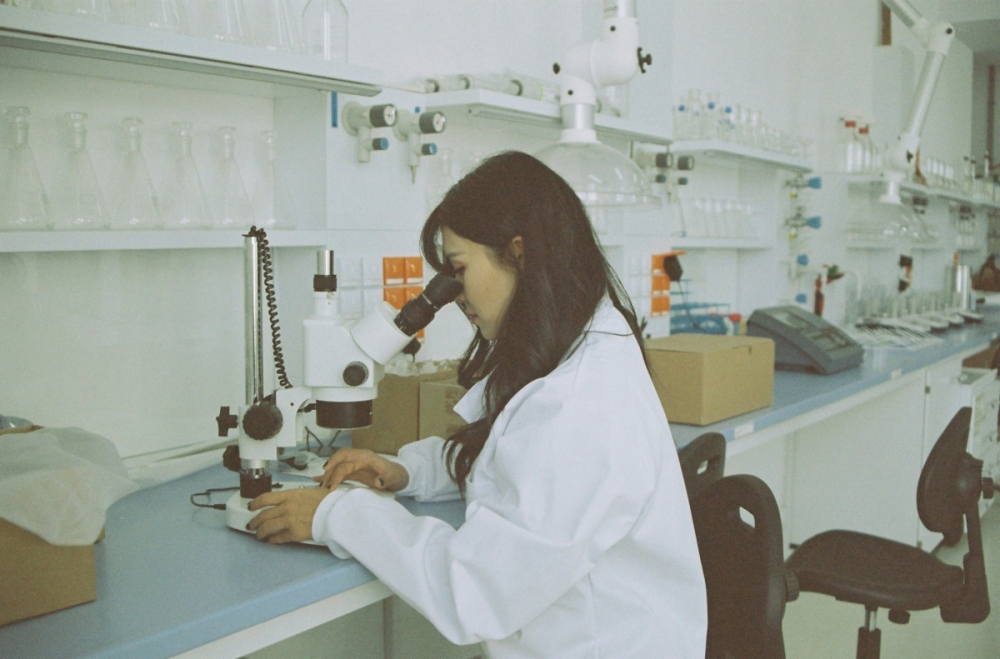
International Day of the Girl Child: Empowering the Future of STEM
Every October 11, the globe comes together to observe the International Day of the Girl Child, a moment dedicated to honoring girls, elevating their voices, and recognizing their roles in leadership. This year’s theme, “The girl I am, the change I lead: Girls on the frontlines of crisis,” underscores that girls are not merely victims of societal issues but are also influential change-makers.
A Personal Reflection
For many, including myself as a female scientist, this day resonates deeply. My journey began as a curious student in Kedah and has evolved into a mission to broaden opportunities for others desiring change in the scientific realm.
Women’s Representation in STEM in Malaysia
In Malaysia, women achieve notable representation in STEM fields, with the Khazanah Research Institute reporting that women constituted over 50% of tertiary education graduates in 2021. However, a detailed examination reveals disparities, particularly in employment and leadership roles where men still dominate.
A recent survey from 2023 indicated a preference among some employers to hire men over women to mitigate costs associated with legislative changes, such as the extension of maternity leave from 60 to 98 days. This presents tangible setbacks, making it increasingly challenging for many girls and young women to not only enter but also thrive and advance within STEM fields.
The Importance of Inclusion
Inclusive science is essential. Every girl discouraged by stereotypes or structural barriers represents a lost opportunity for innovation and progress. Diversity enhances scientific inquiry, creativity, and solutions.
The Impact of Representation
My own foray into science wasn’t straightforward, shaped by limited resources and inspiration while growing up in rural Malaysia. However, reading science magazines sparked my curiosity and wonder about the world around me.
Support from teachers and engagement with women scientists during my education played a pivotal role. When a girl can see someone who shares her background succeeding in science, it transforms the notion of a scientific career from a distant dream to a reachable reality. Role models foster belief, which is crucial for overcoming obstacles.
Inspiring Figures: Tan Sri Dr Jemilah Mahmood
Consider Tan Sri Dr Jemilah Mahmood, a trailblazer in humanitarian and public health initiatives. As the founder of MERCY Malaysia, she has delivered critical medical aid in times of crisis and currently leads conversations surrounding planetary health. Her work illustrates that science transcends traditional settings, impacting communities and shaping policy.
The Role of Mothers in STEM Education
Mothers play a foundational role in nurturing scientific curiosity. They are often the first educators, engaging in discussions about nature, everyday phenomena, and scientific concepts. Such moments, reinforced by encouragement and patience, lay the groundwork for future inquiry.
In my outreach efforts, I often hear from mothers expressing pride in their daughters’ scientific achievements. When a mother encourages her child’s natural curiosity, it nurtures essential confidence for success in STEM fields.
Breaking Down Barriers
The stereotype of the scientist as a male figure still pervades educational and cultural narratives, discouraging girls from envisioning themselves as part of the scientific community. Overcoming this requires visibility of women in science through teaching, public speaking, and representation in the media.
Moreover, policies promoting equitable hiring practices and supporting women’s involvement in scientific research are vital. Mothers can serve as allies, challenging limiting stereotypes and demonstrating that science is an inclusive field.
The Broader Implications
Encouraging girls to pursue STEM is not merely a matter of equity but vital for enriching scientific progress. Diverse viewpoints lead to more comprehensive inquiries and effective solutions across various disciplines, including public health and engineering.
When girls see women leading in technical and scientific roles, they begin to affirm their identities as potential scientists and leaders, cultivating confidence and fostering community engagement.
Conclusion: Future Steps for Empowerment
This International Day of the Girl Child emphasizes both the opportunities and responsibilities we share. Girls have shown resilience and creativity in challenging circumstances. Now, it is imperative that surrounding systems evolve to support their aspirations.
- More women must emerge as role models.
- Support for mothers in their encouragement of daughters is essential.
- Institutions should adopt practices to retain and enhance women’s participation in STEM.
- Classroom experiences should be engaging and rooted in everyday wonders.
As I engage with enthusiastic young girls in workshops, I am filled with optimism for the future, knowing that many of these budding scientists are supported by the often-unheralded encouragement of their mothers. It is crucial to ensure that science resonates as accessible and belonging to all.
*Dr. Asmida Isa is a senior lecturer and researcher at the Advanced Medical and Dental Institute (AMDI), Universiti Sains Malaysia (USM).
