


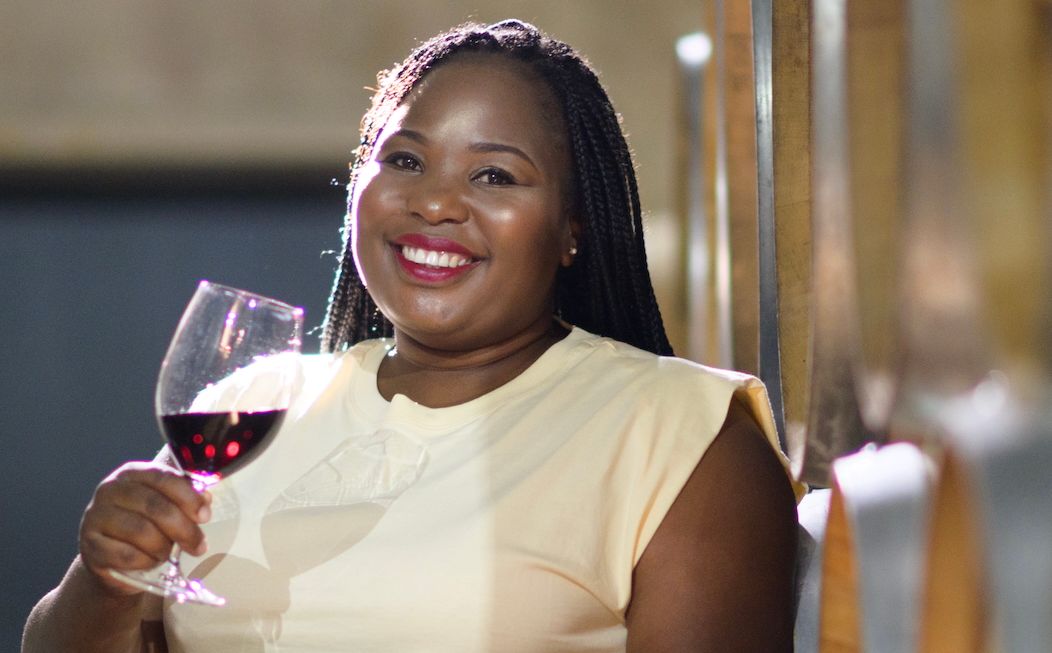
Praisy Dlamini’s journey into the world of winemaking is a compelling one, beginning in the unlikely setting of a sugar cane farm in Empangeni, KwaZulu-Natal. Despite growing up in a household where wine was not part of the culture, an unexpected opportunity during her matric year in 2004 shifted her path towards agriculture, specifically winemaking.
At a career expo, Dlamini was captivated by a demonstration from Stellenbosch University students who were crushing grapes with their feet. This moment sparked her passion for the wine industry, a world that felt both foreign and fascinating.
“If I hadn’t become a winemaker, I likely would have pursued a career in chemical engineering,” Dlamini reflected, highlighting her affinity for chemistry—a critical element in the winemaking process.
Praisy Dlamini is proud of her achievements and her role in inspiring others from non-wine backgrounds to pursue careers in the industry.
Dlamini’s winemaking journey has been both enriching and challenging. “Winemaking isn’t glamorous; it involves unpredictable weather and economic fluctuations,” she noted. Yet, the rewarding sensation of seeing the final product encapsulated in a bottle makes it worthwhile.
Breakthrough in Winemaking
A significant milestone came when Dlamini was selected for The Cape Winemakers Guild Protégé Programme. This program is vital for nurturing the next generation of winemakers by connecting them with South Africa’s wine industry heart.
Breaking Barriers as a Black Woman
Being the first black woman to join the Protégé Programme was both a surreal and empowering experience for Dlamini. “It gave me confidence and a sense of belonging. It was about finding my place in a space where people who looked like me hadn’t really been seen before,” she explained.
Lessons Learned Along the Way
Dlamini emphasized the importance of patience and attention to detail in winemaking. “It’s not merely about following a recipe. It involves understanding the vineyard and knowing when to intervene and when to let nature take its course.” She also recognized mentorship as a crucial aspect of her growth, favoring collaboration over individual skill.
Guidance from Industry Leaders
Working alongside esteemed figures such as Philip Costandius, David Finlayson, and Pieter Ferreira enriched Dlamini’s experience. “Each taught me unique lessons—Costandius instilled creative confidence in me, Finlayson sharpened my technical skills, and Ferreira demonstrated the balance of science and art in winemaking,” she said.
Leading Amandla: A Groundbreaking Initiative
Today, Dlamini leads Amandla, an all-female, majority black-owned wine brand under Adama Wines. Amandla aims to create a wine brand that embodies strength, identity, inclusivity, and empowerment for women. The name itself means ‘power,’ reflecting the mission to highlight the potential of women in the industry.
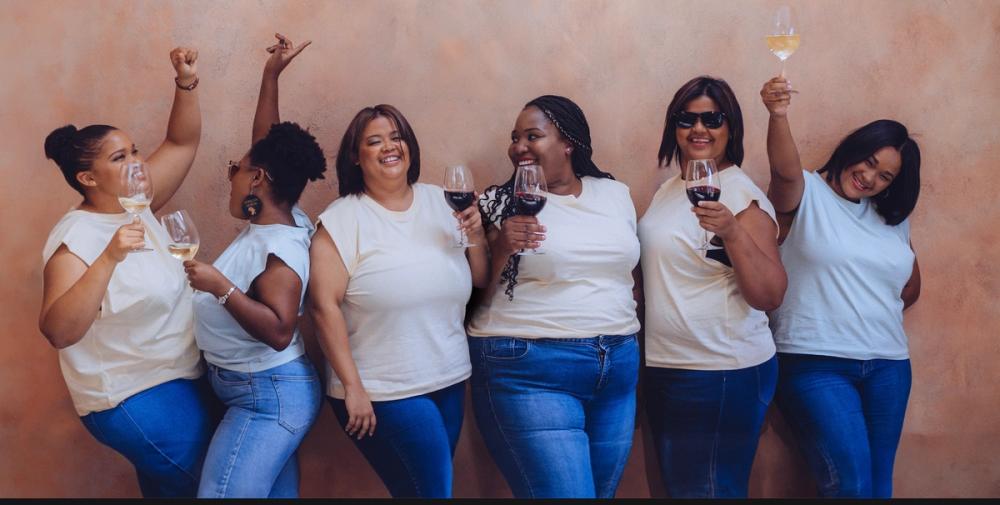
Amandla Wines is a thriving, majority black female-led winery in South Africa.
Amandla has made significant strides in the industry, producing approximately 4.7 million liters of wine annually and generating revenues exceeding R50 million. The brand owns vineyards across the Cape, demonstrating both resilience and ambition.
Giving Back Through Education
The Amandla brand carries a commitment to social responsibility. Two percent of sales profits are allocated to bursaries for young individuals pursuing tertiary education, complemented by a mentorship program that fosters guidance from seasoned professionals in the industry.
A Diverse Wine Range
The current Amandla wine offerings feature a vibrant, fruit-forward Sauvignon Blanc and a smooth Shiraz-based blend. Dlamini emphasizes that their wines reflect not only their roots but also the collaborative effort behind each bottle.
Expansion into International Markets
The brand is making significant inroads in markets such as the UK and the US, where its wines resonate with customers seeking both quality and compelling narratives. Amandla’s positioning allows it to fit well in casual dining situations and independent wine shops alike.
A Call to Action for Industry Stakeholders
Dlamini urges industry buyers to support underrepresented producers. “Your choices can create direct opportunities for marginalized voices,” she emphasizes, highlighting the power of conscious investing to enrich the wine culture.
Inspiring Future Generations
Visibility is key for changing perceptions about leadership in the wine industry, and Amandla’s all-female team represents a shift towards inclusivity and diversity. Dlamini believes that such representation not only inspires confidence but also encourages future generations to pursue their ambitions in winemaking.
A Global Perspective
Dlamini aims for Amandla to transcend its South African roots and resonate with global themes of equity and empowerment. “This isn’t just a local narrative—it’s about what’s possible when underrepresented voices are given the opportunity to shine,” she stated.
Advice for Aspiring Winemakers
Reflecting on her own journey, Dlamini advises younger individuals to trust their instincts and embrace their unique perspectives. “You belong in every room you enter,” she encourages, emphasizing the value of patience and purpose in pursuing one’s dreams.
Achievements and Challenges
Dlamini’s proudest accomplishments include the successful transformation of lives through the bursary fund and winning the Praisy Dlamini Growing Inclusivity Award. However, challenges persist, including systemic barriers in the industry that require resilience and dedication to overcome.
Empowering Voices in Wine
As the landscape of the wine industry evolves, Dlamini remains committed to fostering an environment where diverse voices can thrive. “Representation matters, and everyone should be able to see themselves in this world,” she concludes, reinforcing the importance of inclusivity in shaping the future of winemaking.
