


Women in STEM: Insights and Experiences from Female Academics
The Gender Gap in STEM
STEM fields have historically been male-dominated, with women facing numerous barriers in their educational and professional journeys. According to the SHE Figures 2024 report, only 21.4% of Doctoral graduates in STEM are women, and only about 34% of research-related roles in the EU are held by women. Furthermore, just 26% of senior decision-making positions in higher education are occupied by women.
The situation remains critical at the pre-career stage; a report by STEM Women indicates that merely 31% of new STEM graduates identify as female or non-binary. Disciplines like computer science and engineering reveal even starker disparities, with just 23% and 21% of graduates being non-male, respectively. Within the industry, the statistics are similarly discouraging, with women comprising only about 26% of STEM professionals.
A Conversation with Female Academics
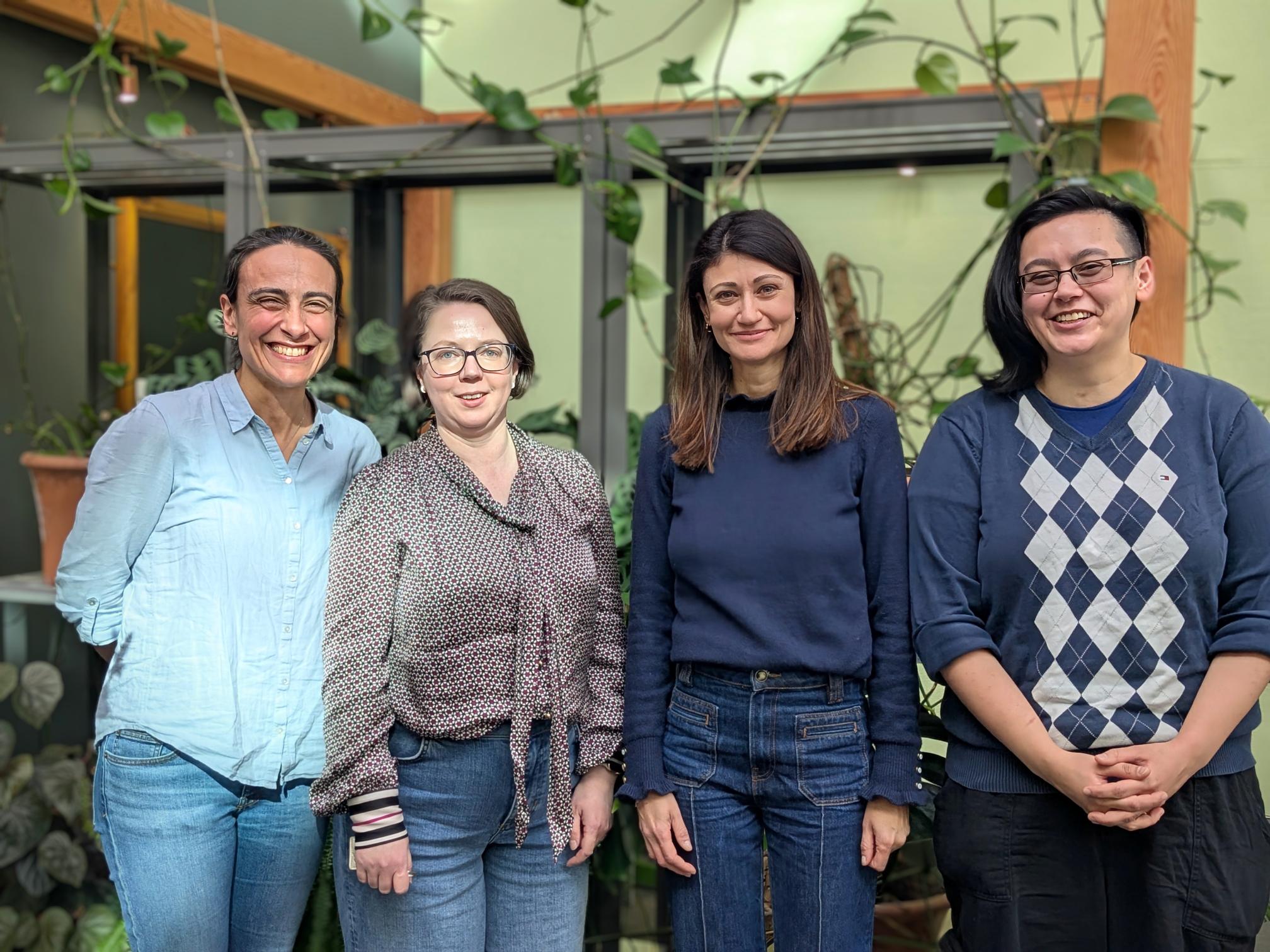
In anticipation of International Women’s Day, a discussion was held with four distinguished female academics: Dr. Ally Gormally-Sutton, Professor Elizabete Carmo-Silva, Dr. Rosa Letizia, and Dr. Sophie Rawnsley-Lau. Their insights provided valuable perspectives on their motivations, experiences, and the challenges they have faced as women in STEM.
Pathways into Science
When asked about their inspirations for pursuing careers in STEM, the academics shared personal anecdotes:
- Sophie: “I was always interested in how things worked, preferring science books over fantasy novels. A supportive chemistry teacher helped ignite my passion.”
- Elizabete: “Initially, I didn’t enjoy plant biology, but during my studies, I found a fascination with how plants regulate their metabolism in response to their environments.”
- Ally: “My interest in climate change and the environment led me to initially study environmental sciences before transitioning to human geography through an interdisciplinary PhD.”
- Rosa: “My affinity for science motivated my decision to pursue engineering, especially as I saw its practical applications during the telecommunications boom in the early 2000s.”
The Role of Mentorship
All four academics emphasized the significance of mentorship in their careers:
- Elizabete: “I owe much to my undergraduate teachers who believed in my potential and guided me towards pursuing a PhD.”
- Rosa: “My dissertation supervisor encouraged me to consider a PhD, which had a life-changing impact on my career trajectory.”
- Ally: “While most of my supervisors have been male, I’ve benefitted from male allies who supported my aspirations.”
Challenges in the STEM Landscape
When discussing the challenges faced as women in STEM, the academics shared various experiences:
- Ally: “In the past, the environment felt different, and I often found myself being the only woman in the room.”
- Sophie: “While I’ve generally had a positive experience, I have faced condescension that is disheartening.”
- Elizabete: “Being a non-native English speaker added pressure to prove my worth and capability in this demanding field.”
Overcoming Imposter Syndrome
Imposter syndrome was discussed as a common struggle, especially in male-dominated fields.
Rosa commented on the daunting nature of teaching in front of predominantly male students, noting the added pressure to establish credibility early in her career. Sophie echoed this sentiment, emphasizing the importance of supportive mentors in overcoming such challenges.
Combating Stereotypes and Gender Bias
Instances of gender bias and stereotypes still persist. Elizabete observed that her casual style leads others to underestimate her position as a professor, while Ally shared the experience of receiving incorrect titles in correspondence, a subtle reminder of the ongoing assumptions based on gender.
Advice for Future Generations
The academics concluded with valuable advice for young women entering STEM:
- Rosa: “Seek out mentors who can provide insight and encouragement.”
- Sophie: “Embrace your abilities and remember that learning is a continuous journey.”
- Ally: “Failure is part of the process; learn from it and keep striving.”
- Elizabete: “Have confidence in yourself, and surround yourself with those who uplift you.”
