


The war in Ukraine has sparked a profound response, particularly among women. Yuliia Iliukha’s latest book provides an intimate exploration of their experiences, highlighting both shared and unique struggles shaped by the ongoing conflict.
May 28, 2025 – Nicole Yurcaba – Books and Reviews
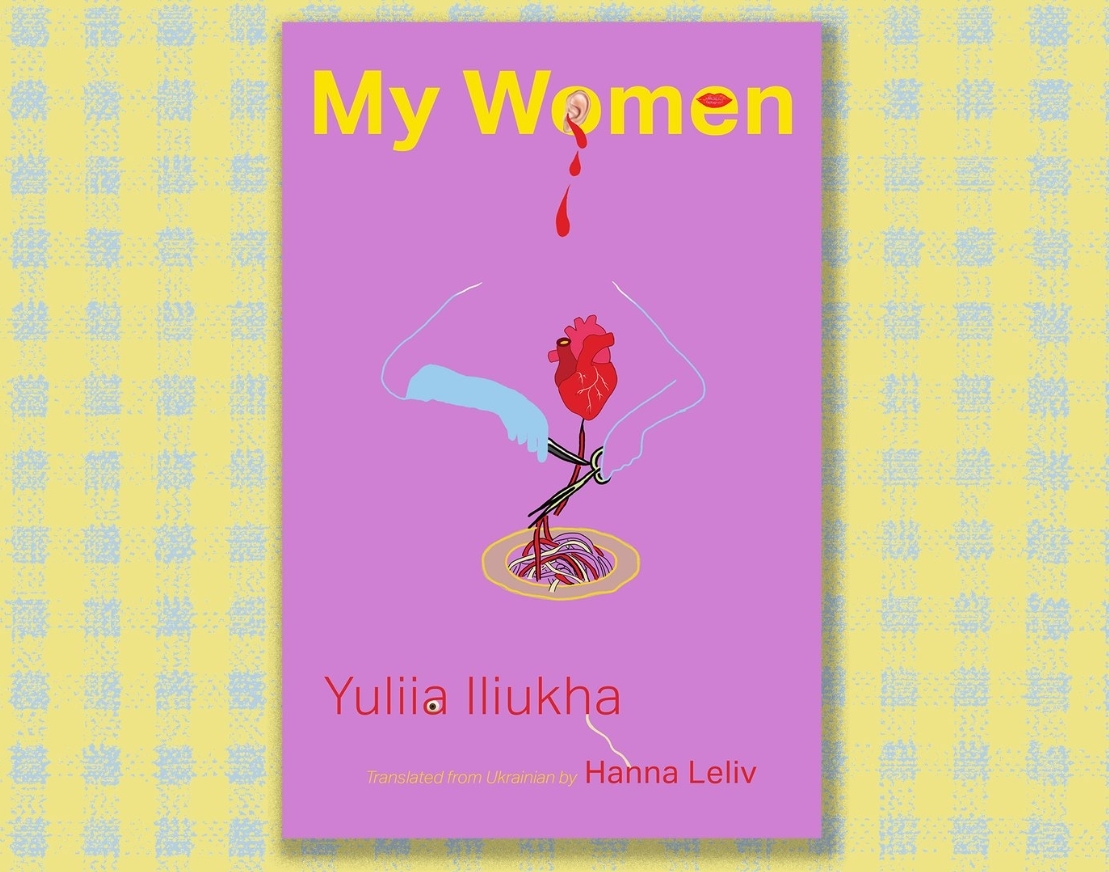
Cover of My Women.
In her newly translated book, “My Women,” Yuliia Iliukha captures the harrowing realities faced by women amidst the brutalities of the Russo-Ukrainian War. Translated from Ukrainian by Hanna Leliv, this short story collection intricately weaves the narratives of women navigating loss, survival, and cultural identity against the backdrop of war. The collection echoes works like Anna Romandash’s “Women of Ukraine: Reportages from the War and Beyond,” drawing readers into a poignant scrapbook of experiences that shed light on the importance of global awareness in confronting ongoing injustices.
In the compelling foreword, Iliukha emphasizes the voices of the women depicted in her stories. She highlights their resilience: they “utter mundane and frightening words” and seek acknowledgment of their pain and despair. Their voices resonate with a universal struggle, as they express a desire for the world to listen. As Iliukha poignantly states, “My women… Now they are yours, too.” This plea resonates well in light of recent UN discussions advocating for the recognition of sexual violence as torture, thereby enhancing legal safeguards.
Throughout the collection, Iliukha effectively illustrates the diverse array of women’s experiences in Ukraine. One striking vignette addresses the Belarusian propaganda that claims the Ukrainian government targets the Russian language. This narrative focuses on a retired teacher whose school transitioned to Ukrainian instruction, removing her connection to her life’s work. The story highlights the deep social and cultural fractures exacerbated by war while illustrating the teacher’s mistaken belief that Russian soldiers would protect her, ultimately leading to her disillusionment as her life crumbles around her.
Another story encapsulates the devastation brought upon Ukrainian towns. A woman revisiting her childhood village finds a landscape transformed into ruins, symbolizing not just personal loss but the broader destruction wrought by the conflict. As she reflects on her past amid the rubble, the narrative conveys a message of determination, showcasing how many women have rallied to support their country during the ongoing crisis.
Iliukha also delves into environmental destruction, as seen in a story centered around a woman caring for abandoned cats amid the chaos of war. This character embodies selflessness and demonstrates the war’s impact on local ecosystems and vulnerable populations, including animals. The abandoned cats serve as a metaphor for the Ukrainian people, echoing their historical plight under oppressive regimes.
In another tale, a woman mourns the loss of her beloved cow, an irreplaceable source of livelihood and companionship. This emotional response mirrors the respect for nature ingrained in many rural Ukrainian households, emphasizing the profound losses inflicted on the agricultural landscape by the ongoing conflict.
The collection doesn’t shy away from employing folklore and national symbols, with narratives infused with cultural traditions. One vignette revolves around a woman invoking ancestral curses, intertwining personal history with the collective memories of a nation under siege. This element serves to remind readers of the resilience and cultural richness embedded in Ukraine’s identity.
Notably, the stories allude to the broader attacks on Ukrainian heritage, as cultural symbols like the Ukrainian flag serve as powerful emblems of identity and resistance against occupation. A character meticulously buries her flag, prioritizing its preservation in a time of chaos, thereby illustrating the interconnection between personal sacrifice and national pride.
At just 73 pages, “My Women” showcases a series of brief yet impactful stories, each designed to reflect the rapid shifts of wartime existence. This concise format not only mirrors the urgent decisions individuals must confront but also positions the work as a significant contribution to the Ukrainian literary canon. Positioned alongside collections like “Dark Days, Determined People,” Iliukha’s work is a testament to the enduring spirit of women in Ukraine, illustrating their vital roles in both military and civilian capacities during tumultuous times.
Published by 128 LIT in 2024, “My Women” promises to resonate deeply with those seeking to understand the multifaceted implications of war on women and society as a whole.
Nicole Yurcaba, a Ukrainian American of Hutsul and Lemko descent, is a poet and essayist. Her work has appeared in various literary journals, and she actively teaches poetry workshops while engaging in literary critique.
