


Strength Training for Women Over 50: Tips and Benefits
Strength training is crucial for women, especially as they age. It offers a variety of health benefits and acts as a safeguard against muscle and bone deterioration, particularly in the 50s and beyond. As highlighted by Dr. Juliana (Jewel) Kling, chair of Women’s Health Internal Medicine at the Mayo Clinic Alix School of Medicine, strength training is a highly effective, non-pharmacological method to mitigate these age-related changes.
The Impact of Aging on Women
As women enter menopause, they face a significant drop in estrogen levels, which accelerates bone density loss and heightens the risk of osteoporosis. According to data from the CDC, about half of women over 50 are either affected by osteoporosis or osteopenia.
Engaging in strength training not only helps in retaining muscle mass but also enhances bone density, boosts metabolism, and supports cardiovascular health. Dr. Kling notes that these workouts can also contribute positively to mental health, improving mood, cognitive function, and sleep quality.
Consultation Before Start
Before initiating any strength training program, consultation with a healthcare provider is essential. Once cleared, women can follow expert advice to maximize their workout routines.
Starter Tips for Effective Strength Training
1. Begin with Simplicity
According to Tina Tang, C.P.T. and owner of Iron Strong Fitness, there is no requirement for sophisticated gym equipment to start. Initiating a routine with bodyweight exercises like squats, incline push-ups, and lunges can set a solid foundation. Performing two to three sets of eight to ten repetitions, twice a week, is advisable.
2. Prioritize Fundamental Movements
As you gain strength, consider integrating a variety of exercises focusing on major movement patterns, such as:
- Squats (e.g., goblet squats)
- Lunges
- Hinge movements (e.g., deadlifts)
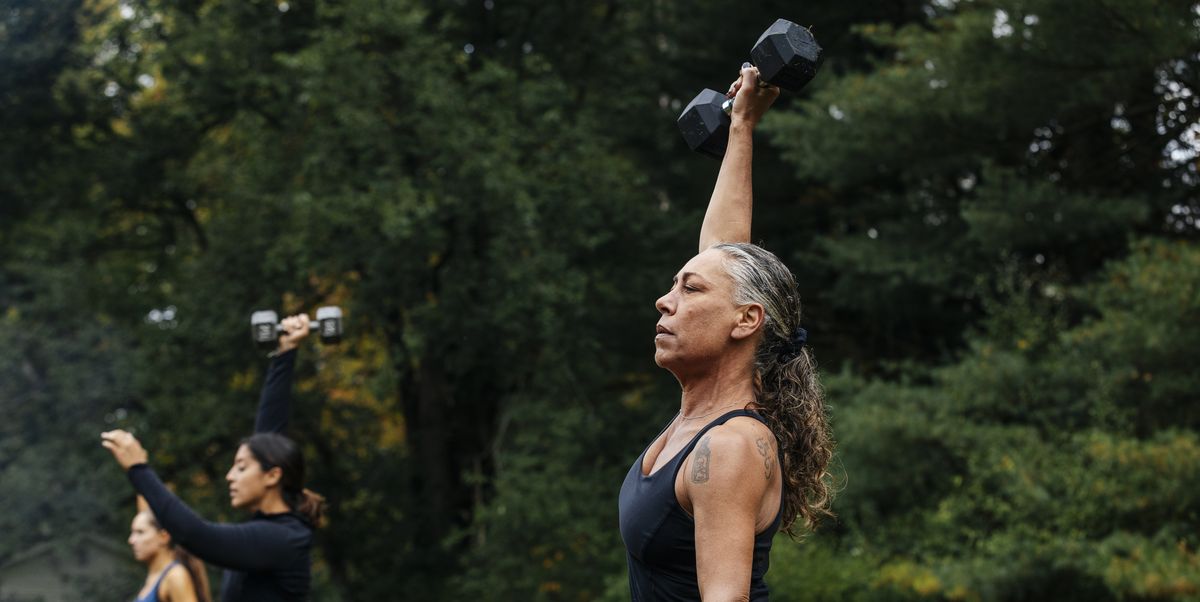
- Pushing exercises (e.g., overhead press)
- Pulling movements (e.g., rows)
- Core exercises (e.g., planks)
Women like Olga Milne, 54, have benefited by starting with lighter weights, which gradually increased with comfort, demonstrating significant progress over time.
3. Challenge Yourself Wisely
It’s vital to keep the last few repetitions of each set challenging. Tang suggests that if those final repetitions aren’t making you exert a bit, consider increasing the weight or resistance.
4. Incorporate Variety
A well-rounded fitness week might include:
- Two days of strength training
- Five days of moderate cardio
- One to two days dedicated to flexibility and mobility work
Incorporating varied routines, including activities like brisk walking or group fitness classes, can enhance motivation and enjoyment in exercise.
5. Train for Power
Aging can also diminish quickness and power. Including exercises aimed at maintaining explosive strength—such as light jumps or medicine ball throws—can help sustain muscle responsiveness and reduce fall risk.
6. Recovery Matters
Recovery is as crucial as the workout itself. Dr. Kling urges prioritizing safety and recovery. Active recovery methods, such as walking, help ensure blood flow and minimize soreness. Proper nutrition and adequate sleep further support effective recovery.
7. Nutrition to Fuel Performance
Proper nutrition plays a vital role in both performance and recovery. Tang advises ensuring an adequate intake of protein—aiming for 1.2 to 2.0 grams per kilogram of body weight for active individuals. A balanced diet rich in vegetables, whole grains, and sufficient hydration is essential for overall health. Additionally, considering supplements like creatine may improve strength gains in women over 50, as suggested by Dr. Kling.
8. Seek Professional Guidance
For those new to strength training or wishing to refine their form, hiring a trainer, even temporarily, can provide valuable insights. Group classes also offer structure and a sense of community, fostering accountability in your fitness journey.
As women like Olga and Malini Wadhera have found, strength training can lead to unexpected and gratifying achievements, enhancing not just physical strength but overall well-being.
