


Empowering Women and Youth Crucial for Nigeria’s Governance
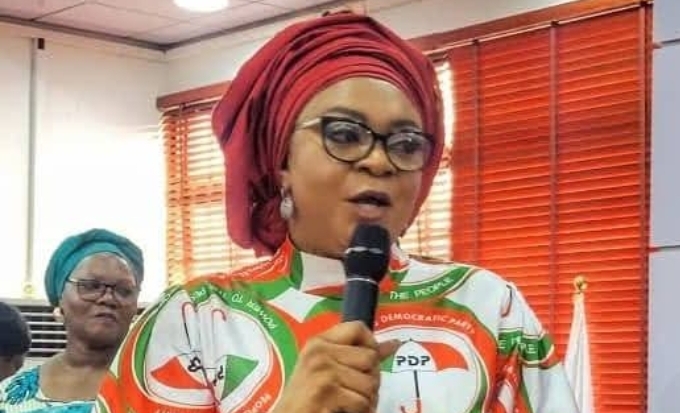
At the inaugural lecture of the African Institute for Statecraft International (AISI), Hon. Dr. Amina Darasimi Bryhm, National Woman Leader of the Peoples Democratic Party (PDP), emphasized the urgent need for Nigeria to empower women and youth. Without such measures, Nigeria risks falling behind in effective governance and leadership.
The Current Landscape of Political Representation
Nigeria’s political landscape starkly contrasts with its African neighbors, particularly regarding women’s representation, which poses challenges to democratic growth and socio-economic progress. Dr. Bryhm pointed out that only 2% of legislative seats nationwide are occupied by women, highlighting a significant gap in political inclusivity. For instance:
- In the Senate, just four out of 109 members are women.
- Only 16 out of 360 seats in the House of Representatives are held by women.
- Sixteen states have no female representation in their State Houses of Assembly.
Youth as Future Leaders
Dr. Bryhm criticized the prevailing notion that youth are merely “leaders of tomorrow,” stating the importance of preparing them for leadership roles today. She remarked, “Too often we call the youth the leaders of tomorrow, but when will they actually take their positions? Institutions like AISI exist to prepare them to lead—and to lead well.” This assertion emphasizes the necessity for institutional mentorship in developing the future generation of leaders.
A Case Study: Rwanda
Rwanda serves as a compelling example of gender equity in political representation, boasting over 60% female participation in its parliament. Dr. Bryhm highlighted this success as a model for Nigeria, stating, “Rwanda is proof that women can contribute meaningfully to national development when given equal opportunity.” She argues that Nigeria must adopt similar policies to harness its human capital effectively.
Importance of Institutional Empowerment
The discussions at the AISI emphasized that merely empowering individuals is inadequate for enduring progress. Dr. Bryhm stressed the creation of robust institutions to promote accountability and transparency, stating, “You cannot empower an individual alone. It’s time to empower institutions that nurture leaders, uphold accountability, and include everyone—women, youth, and persons living with disabilities.”
The Role of AISI
AISI aims to cultivate leadership capabilities among young Nigerians through research, mentorship, and training. This initiative aspires to create leaders who value service and prioritize development over personal gain, ultimately bridging the leadership gap in Nigeria.
A Call to Action
At the AISI event, young professionals from various backgrounds actively participated, sharing their ambitions and insights. Dr. Bryhm reiterated that the inclusion of women and youth in governance is not just a moral obligation but an economic necessity. She cautioned that nations failing to integrate these demographics risk stagnation and underdevelopment. “Strong, ethical, and inclusive leadership is essential for national development,” she asserted.
Edwin Adai, the convener of AISI, was praised for his commitment to actionable change, with Dr. Bryhm underscoring the importance of harnessing ideas and mentoring youth to inspire change. As the event came to a close, it became evident that Nigeria stands at a crucial juncture in its political evolution. The challenges of gender disparity, youth exclusion, and weak institutions present significant obstacles, but initiatives like AISI provide a hopeful pathway towards reform and progress.
