


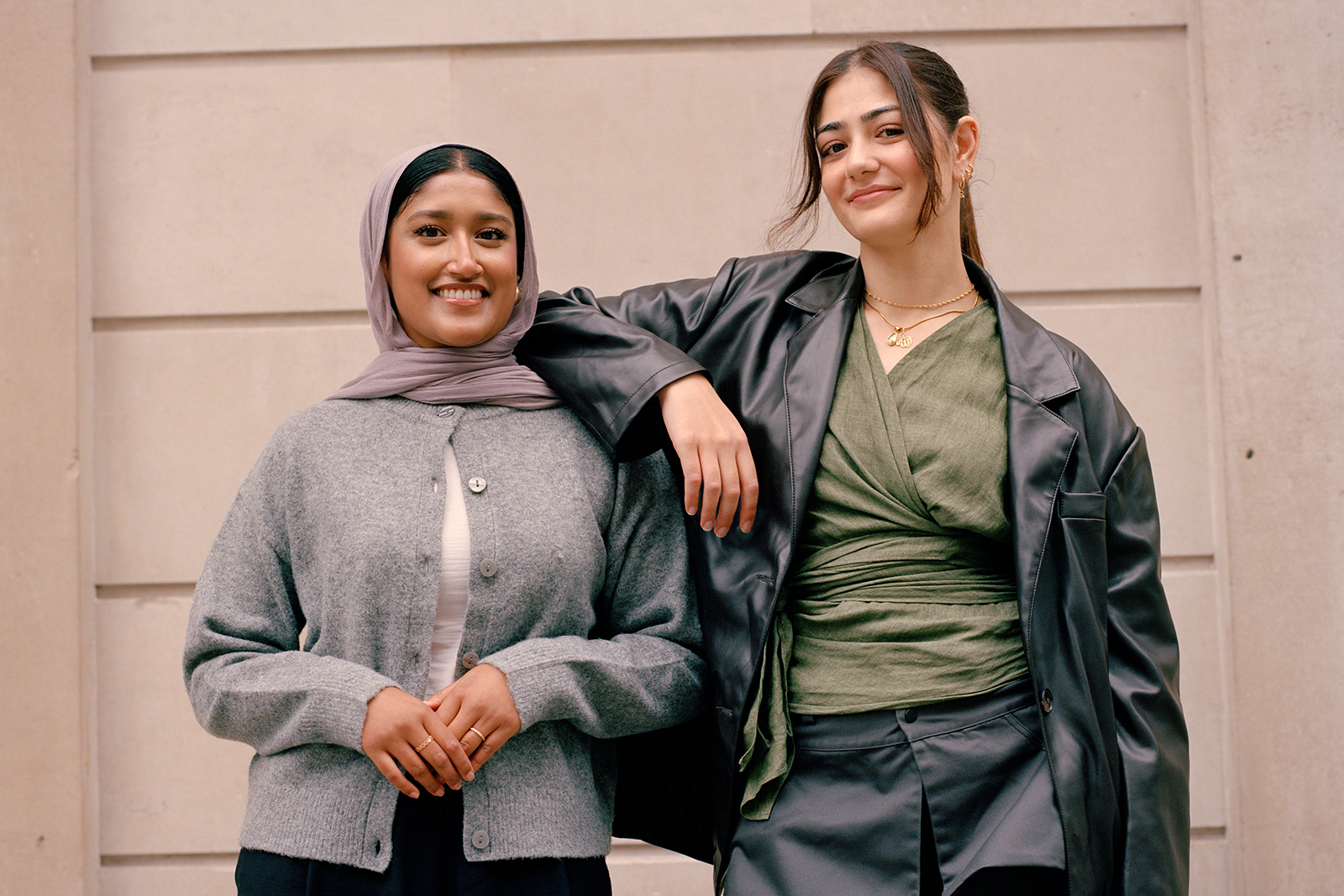
Empowering Muslim Women Through Finance: The Journey of the Muslim Finance Girlies
Best friends Mashrufa Miah and Hina Awan, both 29, have established themselves as influential figures in the finance space, particularly for Muslim women. By launching the social media initiative known as the Muslim Finance Girlies in May, they aim to demystify financial management and investing through accessible content.
From Corporate Careers to Financial Advocacy
Miah and Awan first met during a summer internship at JP Morgan in 2015, where they both secured graduate roles post-internship. Their shared experiences navigating the complexities of financial decisions prompted them to support one another, addressing topics like pension planning and mortgages.
“We were both going through the same challenges of managing finances in our ‘big-girl’ jobs,” says Awan. Miah reflects, “It was frustrating that mainstream education overlooked financial literacy.” Their experiences laid the groundwork for their initiative.
Engaging and Accessible Financial Education
After hosting successful at-home financial workshops for family and friends, the duo decided to transition their lessons into social media formats. Their short, engaging videos on platforms like TikTok and Instagram have already attracted over 750,000 views.
“Our goal is to break down finance into its most basic forms, making it relatable and understandable for all ages,” Miah explains. So far, their content has covered vital topics such as inflation, investment myths, and the value of gold as an asset.
Each video provides a casual and friendly atmosphere, with Awan and Miah presenting investment lessons from Awan’s living room sofa, replete with light-hearted humor and candid moments.
Challenging Stereotypes and Cultural Perceptions
Despite the positive reception, the Muslim Finance Girlies have faced challenges, including stereotypes about gender roles in finance. “Many Muslim women feel excluded from financial discussions, believing it’s a male-dominated space,” Awan notes. However, the duo emphasizes the importance of financial independence: “Being educated about finances is crucial for women’s empowerment,” she asserts.
To dispel the notion that women are less effective investors, they reference research from Warwick Business School, which shows women outperformed men in investment returns by 1.8% annually due to their cautious approach.
The Necessity of Financial Literacy for Women
In their educational content, Awan and Miah highlight key reasons why it’s imperative for women to focus on financial growth. Notably, they mention aspects such as inheritance rights under Islamic law, women’s caregiving roles reducing work time, and the longer lifespans of women compared to men. These factors necessitate a more proactive approach to saving and investing.
They also draw inspiration from historical figures, such as Khadija, the wife of the Prophet Muhammad, who was a successful businesswoman. “How can we ignore the example of the first person to embrace Islam?” Awan questions, underscoring the relevance of finance in women’s lives.
Ethics in Investing
Understanding and adhering to ethical investing standards is also a vital aspect of their discussions. Miah explains that investments must comply with sharia law, as outlined by the Accounting and Auditing Organization for Islamic Financial Institutions (Aaoifi). Such guidelines dictate revenue thresholds from haram industries.
“Your personal ethics play a significant role in making investment decisions,” Miah emphasizes. “While Aaoifi offers certain allowances, individual comfort levels can vary significantly,” she adds, reinforcing the need for women to feel empowered in their investment choices.
