


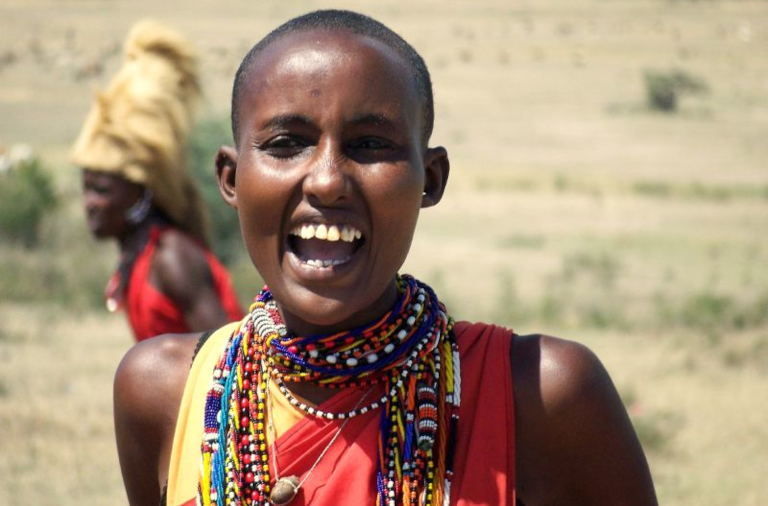
In the face of habitat loss, climate change, and shifting livelihood patterns, Maasai women are spearheading a transformative initiative aimed at intertwining sustainable dairy farming with the conservation of the Serengeti’s historic migrations, while also enhancing community resilience.
The Serengeti, known as “endless plains” in the Maasai language, is frequently cited as one of the world’s most breathtaking natural landscapes. Spanning northern Tanzania and extending into southwestern Kenya, this extensive ecosystem hosts the largest terrestrial animal migration known to man. Every year, over a million wildebeest, zebras, and gazelles embark on an awe-inspiring journey across the vast grasslands, driven by seasonal rains in search of fresh pastures and water. This migration sustains a complex food web that includes apex predators such as lions, cheetahs, and hyenas, making the region a crucial biodiversity hotspot. Recognized by UNESCO, the Serengeti is celebrated for its ecological richness and the spectacular natural events it hosts.
However, the “endless plains” of the Serengeti are increasingly fragmented. Research spanning four decades and involving multiple countries has documented significant habitat degradation attributed to human activities. Development and land expansion have disrupted essential migration corridors, severely restricting wildlife movement across the ecosystem.
Joseph Ogutu, a statistician from the University of Hohenheim, notes, “The activities of people have caused extreme changes to the habitat,” resulting in reduced grass availability and significant fragmentation due to farms, settlements, and fencing. In the Maasai Mara Reserve, wildlife populations have plunged by nearly 70 percent since the late 20th century, coinciding with the loss of over 70 percent of wildebeest migration routes, demonstrating the dire ecological situation.
The complex pressures leading to these changes originate from rapid human population growth around the Serengeti. Countries like Tanzania experience some of the highest population growth rates globally, placing immense pressure on land and natural resources. Expanding agricultural developments and livestock grazing are transforming wildlands into cultivated areas, thereby infringing on customary animal migration routes and diminishing the quality of available forage.
Compounding these challenges is the impact of climate change, which is disrupting rainfall patterns. Erratic weather, characterized by prolonged droughts followed by intense flooding, endangers both wildlife and human subsistence. Water sources are becoming increasingly scarce, necessitating longer journeys for both pastoralists and wildlife to secure food and water, which in turn escalates competition and conflict over resources.
For the Maasai—a community traditionally coexisting with wildlife—the shifting environment poses urgent challenges. Historically, they have relied on seasonal migrations and shared grazing lands, with cattle signifying wealth, status, and cultural identity. However, growing land demands have led many Maasai families to diversify into farming, marking a significant departure from their pastoral roots. This transition is placing further strain on the environment as increasing herd sizes intensify land degradation, creating a cycle of overgrazing, soil erosion, and diminished forage quality. Women, who often oversee milk production and child care, frequently have limited influence over household decisions, stifling the potential for broader economic and social advancements.
A Community-Led Approach to Sustainable Practices
In response to these multifaceted challenges, Maasai educator and conservationist Meyasi Meshilieck launched the Maasai Women’s Dairy Program, designed to cultivate a sustainable, community-driven solution. The program promotes a balance between human welfare and biodiversity conservation—enhancing livestock productivity while mitigating ecological impacts.
The program encourages Maasai families to adopt smaller herds comprising improved dairy breeds that yield significantly higher milk production than traditional varieties. Traditionally, larger herds have been viewed as a status symbol, but changing economic and ecological realities now favor this new model, which allows families to earn more income and secure better nutrition without overburdening their land.
Implementing this strategy involves a comprehensive approach, including training for Maasai women in advanced dairy husbandry, forage production, and cooperative management. Women’s engagement is critical for transformative change, as it allows for improved household decision-making, enhanced child nutrition, and increased educational opportunities, particularly for girls. Empowering women to manage small dairy ventures also addresses entrenched gender disparities within Maasai society.
The program additionally emphasizes sustainable land practices, such as cultivating drought-resistant forage grasses and utilizing manure to enrich soil health. This holistic strategy builds resilience against climate variability, fosters soil regeneration, and maintains pasture productivity, aiding in the reduction of conflicts over land use while preserving vital wildlife habitats.
Scaling Impact: From Pilot to Community
The initiative’s foundation was laid at Saravu Farm in northern Tanzania, where, in 2018, Meshilieck transitioned from indigenous cows to improved breeds. This shift involved overcoming challenges related to consistent forage and water supply, animal health management, and milk marketing strategies, serving as a model for subsequent training efforts.
Ensuring the welfare of the dairy cows has been pivotal to the program’s success. These hybrid breeds require meticulous care, including access to clean water and high-quality forage. The program thus provides extensive education on animal care, and integrates veterinary services to promptly address health challenges. Despite the increased care demands of these cows, the program’s focus on effective husbandry ensures that enhanced milk production remains sustainable both for families and the environment.
Overcoming obstacles such as drought management and market establishment has been crucial for the program. Techniques like rainwater harvesting and introducing drought-resistant forage species have secured feed and water supplies. Cooperative marketing efforts have also extended milk shelf life, boosting farmers’ incomes.
Indications of the program’s success are evident: participating women report increased earnings from milk sales, setting the stage for improved household investments in education and living conditions. Encouraged by these outcomes, Saravu Farm has evolved into a training center, offering workshops for Maasai women throughout the region.
Building on the initial successes, the program is now expanding to additional villages, where new participants learn about animal husbandry, forage cultivation, and cooperative governance. These women are also provided with improved dairy cattle and access to microloans, facilitating the establishment of their own dairy operations.
By embedding continuous monitoring and adaptability into its design, the program acknowledges the need to merge technical feasibility with cultural relevance. It fosters community ownership through collaboration among local leaders, pastoralists, conservationists, and governmental agencies, aspiring to create a model replicable in various regions facing similar agricultural and environmental pressures.
Gaining acceptance within the traditionally resistant Maasai culture involves consultation with elders to secure their backing. The program emphasizes women as key agents of change and utilizes cultural elements like song and dance to effectively communicate ideas. Additionally, outreach through radio and social media reinforces these efforts, while trained women serve as mentors, establishing a cycle of empowerment and guidance.
Linking Community Welfare to Conservation Success
The interconnections between threats to the Serengeti’s habitat and challenges faced by the Maasai communities are critical. Conservation strategies cannot succeed in isolation; they must simultaneously address the socioeconomic needs of local populations. The cycle of poverty and food insecurity often drives harmful land-use practices, while improved community well-being enhances conservation efforts.
By reducing herd sizes through better dairy management, overgrazing and soil degradation are alleviated, thereby restoring critical habitats for wildlife. This restoration supports the migratory species essential to the Serengeti’s ecological health. Furthermore, increased milk income allows families to diversify diets, invest in health and education, and reduce the pressure to convert wildland into farmland.
Empowering women serves as a significant multiplier effect. Control over resources by women is correlated with improved child nutrition, increased educational attainment, and a reduction in harmful practices like early marriage. These societal transformations contribute to more sustainable population growth and enhanced social stability.
The Maasai Women’s Dairy Program stands as a model for harmonizing social development with environmental conservation. Rather than presenting communities and wildlife as adversaries, it cultivates a collaborative future that allows both pastoralists and the ecosystems integral to their survival to flourish amid rapid environmental changes. This community-driven model offers insights applicable to other regions globally confronting the dual challenges of population growth and habitat degradation, illustrating the possibility of aligning sustainable livelihoods with effective conservation.
Teaser image credit: Maasai woman. By javic – Flickr, CC BY-SA 2.0,
