


Women in STEM: Inspiring Latin American Trailblazers
Over 60% of children starting elementary school today will hold jobs that do not exist yet.
The Importance of Women in STEM
As we look toward the future, STEM (Science, Technology, Engineering, and Mathematics) careers are poised to become critical components of the world economy. Historically, however, women have been significantly underrepresented in these fields. High-paying roles in areas such as computer science and engineering often feature the lowest percentages of female workers.
To achieve sustainable development, foster innovation, and foster inclusive growth, it is essential to provide women with equal opportunities in STEM. This not only addresses the gender wage gap but also ensures a diverse workforce that benefits society as a whole and mitigates biases in decision-making and product development.
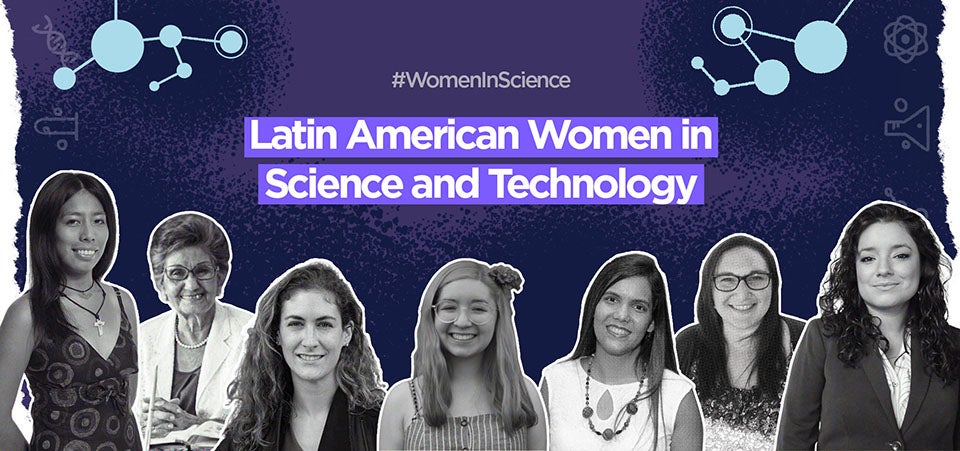
Let us meet seven remarkable Latin American women who are paving the way for future generations in science.
Valentina Muñoz: Chilean Programmer and Activist

Valentina Muñoz Rabanal, a young feminist activist from Chile, began programming at the age of twelve. She is a three-time champion in national and international robotics competitions such as the First LEGO League. Additionally, she led initiatives for gender inclusion at her school and received recognition as one of the most influential young people in Chile in 2020.
Idelisa Bonnelly: Dominican Marine Biologist

Known as the “mother of marine conservation in the Caribbean,” Idelisa Bonnelly began studying marine biology in New York in the 1950s due to a lack of educational opportunities in the Dominican Republic. Upon her return, she founded the first institution in her country focused on marine sciences and was instrumental in establishing the first humpback whale sanctuary in the North Atlantic.
Africa Flores: Guatemalan Agronomist

Africa Flores is at the forefront of monitoring global ecosystems through NASA’s satellite network. She was recognized as the Geospatial Women Champion of the Year in 2020 for her leadership within the SERVIR program, which addresses critical concerns related to food security and climate change, with a significant focus on Guatemala and the Amazon.
Natasha Bloch: Colombian Evolutionary Biologist

Natasha Bloch serves as an associate editor of the UK Royal Society’s scientific journal, Proceedings of the Royal Society B. Her research is dedicated to unraveling how brain activity dictates behavior in response to social stimuli, and examining the neurogenomic underpinnings of these behaviors.
Kathrin Barboza: Bolivian Biologist Specializing in Bats

Researcher Kathrin Barboza is noted for her work with the Bolivian Bat Conservation Program. She became the first Bolivian to receive the UNESCO and L’Oreal Foundation Fellowship for Young Scientists in 2012. Her notable discovery includes a rediscovered species of bat thought to be extinct for over 70 years, highlighting the essential ecological roles of bats in various habitats.
Sandra López Verges: Panamanian Microbiologist

Sandra López Vergès, a microbiologist from Panama, holds a Ph.D. specializing in virology and is a senior researcher at the Gorgas Memorial Institute of Health Studies. Her research in viral diseases has resulted in significant contributions to scientific knowledge, including a patent and multiple high-impact publications. She has also been recognized with prestigious awards, such as the UNESCO-L’OREAL International Fellowship for Young Women in Science.
Ana Inés Zambrana: Uruguayan Biochemist

Ana Inés Zambrana is a biochemist with advanced degrees from reputable institutions, emphasizing the study of iron-biofortified transgenic rice and its implications for health. Her academic and professional journey includes a focus on type 1 diabetes and public health, demonstrating her commitment to scientific advancement and education.
