



The Empowerment of Iranian Women Post-Islamic Revolution
The 1979 Islamic Revolution in Iran marked a transformative chapter in the nation’s history, significantly altering its political, social, and cultural framework. Among the many changes, the advancement and status of Iranian women has emerged as a compelling narrative of resilience, empowerment, and notable achievements across various fields.
Understanding the Pre-Revolutionary Landscape
To appreciate the strides made by Iranian women after the revolution, it is crucial to first consider their situation prior to 1979. Under the Pahlavi regime, there were attempts to enhance women’s rights as part of broader modernization efforts. However, these initiatives predominantly favored a privileged few, and many women, especially in rural regions, remained largely underserved. Limited literacy and restricted access to higher education characterized this era.
Revolutionary Changes: Education as a Catalyst
The Islamic Revolution sought to address historical gender disparities by promoting equality as a fundamental principle. This shift created pathways for women to actively participate in public life through education and workforce engagement, yielding significant results.
Women’s Literacy Rates
- Post-revolution, the female literacy rate surged, climbing from 36% in 1976 to over 80% by 2016, as reported by UNESCO. This growth was especially pronounced in rural areas, where educational access had previously been limited.
Higher Education Enrollment
- Today, women constitute more than 60% of university students in Iran, outpacing their male counterparts. They excel in diverse fields, including medicine, engineering, and the humanities.
Leadership Roles in Education
- Increasingly, Iranian women are stepping into academic leadership roles, serving as university professors, deans, and researchers, thereby influencing the educational framework and nurturing the next generation.
Pioneers in Science and Research
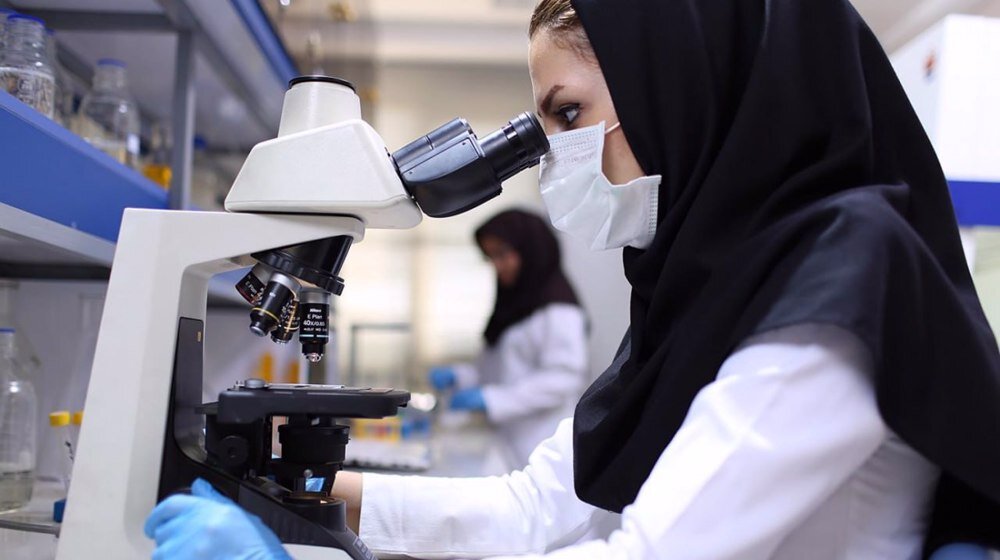
In the wake of the revolution, Iranian women have increasingly engaged in scientific research and innovation, achieving remarkable success despite various institutional challenges.
Contributions to Medical Sciences
- Women have become prominent figures in the medical sciences, with many serving as leading physicians and researchers. Their significant presence in medical schools has enhanced healthcare delivery and outcomes in Iran.
Engineering and Technology Achievements
- Women are breaking barriers in traditionally male-dominated fields such as engineering and technology, contributing significantly to infrastructure projects and advancements in information technology and renewable energy.
Influence in Scientific Publications
- Iranian women researchers are increasingly recognized in the global scientific community, with their works published in respected international journals across various disciplines, reflecting their growing prominence in global research.
Innovation in Technology
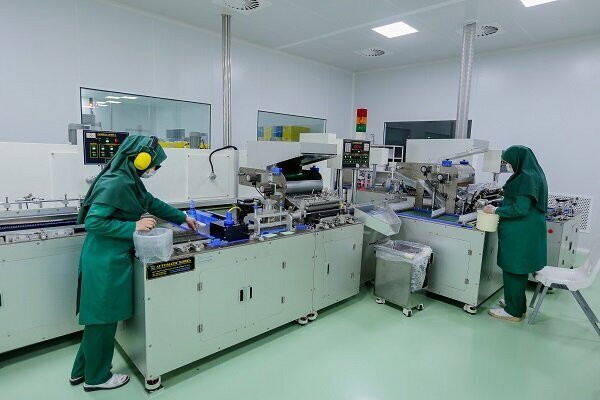
Iranian women are carving out their identities as leaders in technology, showcasing innovation and entrepreneurship in a sector historically marked by gender disparities.
Advancements in Information Technology
- Many women are thriving as software developers, data scientists, and IT entrepreneurs, significantly contributing to Iran’s digital landscape.
Growth of Women-led Startups
- The rise of female entrepreneurship is noteworthy. Women-led startups in e-commerce, fintech, and healthtech are reshaping industry dynamics and challenging traditional gender roles.
STEM Education Emphasis
- A robust participation in STEM education among women is evident, fostering a culture of innovation that is essential for the future.
Ongoing Challenges and Future Prospects
Despite these commendable achievements, Iranian women still encounter societal and legal challenges that can inhibit their progress. Issues such as restrictive cultural norms and limited international collaborations persist. Nevertheless, the determination and resilience displayed by Iranian women continue to drive their success and influence.
The focus on education and empowerment initiated by the Islamic Revolution has been critical in enabling women’s progress in various sectors. As Iran charts its developmental trajectory, the contributions of women are set to play a pivotal role in shaping the nation’s future.
The evolution of Iranian women’s roles since the revolution is not merely a personal triumph; it reflects a broader victory for the principles of equality and social justice that the revolution championed.
MNA
