


Governor Shapiro’s Progressive Position on Women’s Sports Legislation
Overview of the Legislative Context
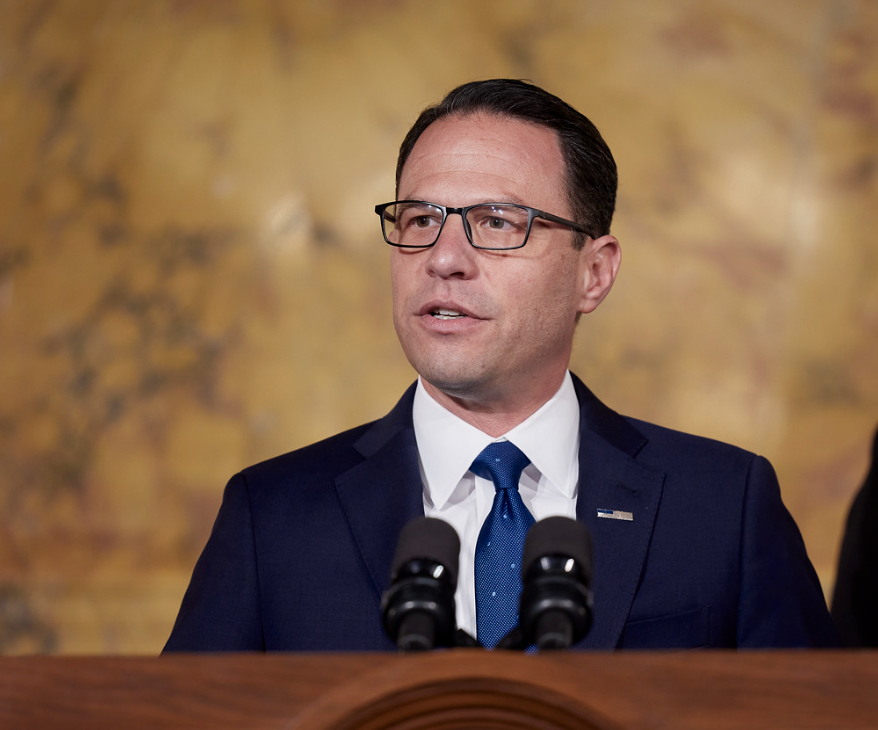
Governor Josh Shapiro (D) of Pennsylvania continues to assert his progressive views on the contentious issue of girls-only sports, firmly opposing legislation that would bar biological males from competing in female athletics. This stance has garnered both support and criticism, particularly as Shapiro is viewed as a potential candidate for the 2028 presidential election.
Legislative Developments and Political Reactions
Recently, Shapiro condemned the proposed legislation, which has already passed the state Senate but faces a blockade in the Democrat-controlled House. He referred to supporters of the bill as “extremist politicians,” drawing backlash from both Republicans and some members within his own party.
Support for Girls’ Sports Legislation
In May, five Democratic senators broke party lines to support the bipartisan Protect Girls and Women in Sports Act. However, House Speaker Joanna McClinton has withheld a vote on the bill, likely to prevent political fallout among party members. This strategic delay has led Republicans to argue that it is a maneuver to shield Shapiro from having to take a definitive position on the issue.
Public Opinion and Internal Party Dynamics
The topic of women’s sports has become a flashpoint in American politics, with polling indicating that a substantial portion of voters oppose allowing biological males to compete in female sports. In his public statements, Shapiro has often reiterated his belief that “trans women are women,” a position that contradicts the views of many in his party and the general electorate.
Responses from Republican Legislators
Republican representatives have taken advantage of this political quagmire, emphasizing Shapiro’s inconsistency. Representative Martina White (R-Philadelphia) questioned whether those who voted for the bill would also be labeled as “extremists.” Similarly, Senator Judy Ward (R-Blair), a primary sponsor of the Save Women’s Sports Act, proudly embraced the “extremist” label, framing the dispute as a matter of fairness and opportunity in sports.
Future Implications for Shapiro and Pennsylvania
Critics assert that Shapiro’s reluctance to align fully with the growing calls for action may leave him vulnerable as the political landscape shifts. The Pennsylvania Senate Republican Campaign Committee criticized him, stating that his comments undermine the interests of women, particularly regarding safeguarding their athletic opportunities.
Conclusion: A Crossroads Ahead
The ongoing debate around the Protect Girls and Women in Sports Act will not only shape the future of athletics in Pennsylvania but may also significantly influence Shapiro’s political aspirations. As the legislative session continues, the pressure on Shapiro to clarify his stance will likely intensify, challenging him to navigate this complex issue while balancing party expectations and voter sentiments.
