


The Rise of Women in Indian Science and Technology
International Daughter’s Day: A Call for Change
On September 28, India marked International Daughter’s Day, an occasion aimed at challenging age-old stereotypes that equate sons with blessings and daughters with burdens. The traditional views have long permeated families and societal structures, leaving lingering negative implications. However, the narrative surrounding daughters in India is gradually transforming as they increasingly excel in science, technology, and various professional fields.
A Historical Perspective
The historical context of daughters in India is rich yet complex. In the 12th century, mathematician Bhaskara wrote a treatise called Lilavati, which was purportedly dedicated to his daughter. This early recognition indicated a capacity for women to contribute significantly to intellectual pursuits. Fast forward to colonial times, the Doctrine of Lapse prioritized male heirs, illustrating a systemic bias that has influenced Indian culture for generations.
Breaking Barriers in Science
The advancements made by women in Indian science are not merely noteworthy; they symbolize resilience and determination. Pioneers such as Kamala Sohonie became the first Indian woman to obtain a PhD in biochemistry from the Indian Institute of Science in the 1930s. This breakthrough paved the way for subsequent generations of women in various scientific fields, including:
- Janaki Ammal in botany
- Asima Chatterjee in chemistry
- Bibha Chowdhuri in cosmic rays
- Anna Mani in meteorology
Post-Independence, the landscape of women in education began to shift. Women now account for nearly 48% of enrolment in higher education, marking a significant improvement from 1951. Despite a slight decline at advanced levels, one in six Research and Development personnel in India today are women, showing an upward trend in academic and professional representation.
Leading in Diverse Fields
Women are not just participants but leaders in a variety of scientific disciplines:
- Space Science: Ritu Karidhal and M. Vanitha led missions to Mars.
- Biotechnology: Kiran Mazumdar-Shaw turned Biocon into a global pharmaceutical leader.
- Defence: Tessy Thomas oversaw India’s missile programs.
- Medicine: Indira Hinduja achieved the first test-tube birth in India.
This trend extends to engineering and industry, with figures like Sudha Murty and Shalini Kapoor exemplifying the rise of female leadership across sectors.
Ongoing Challenges and Initiatives
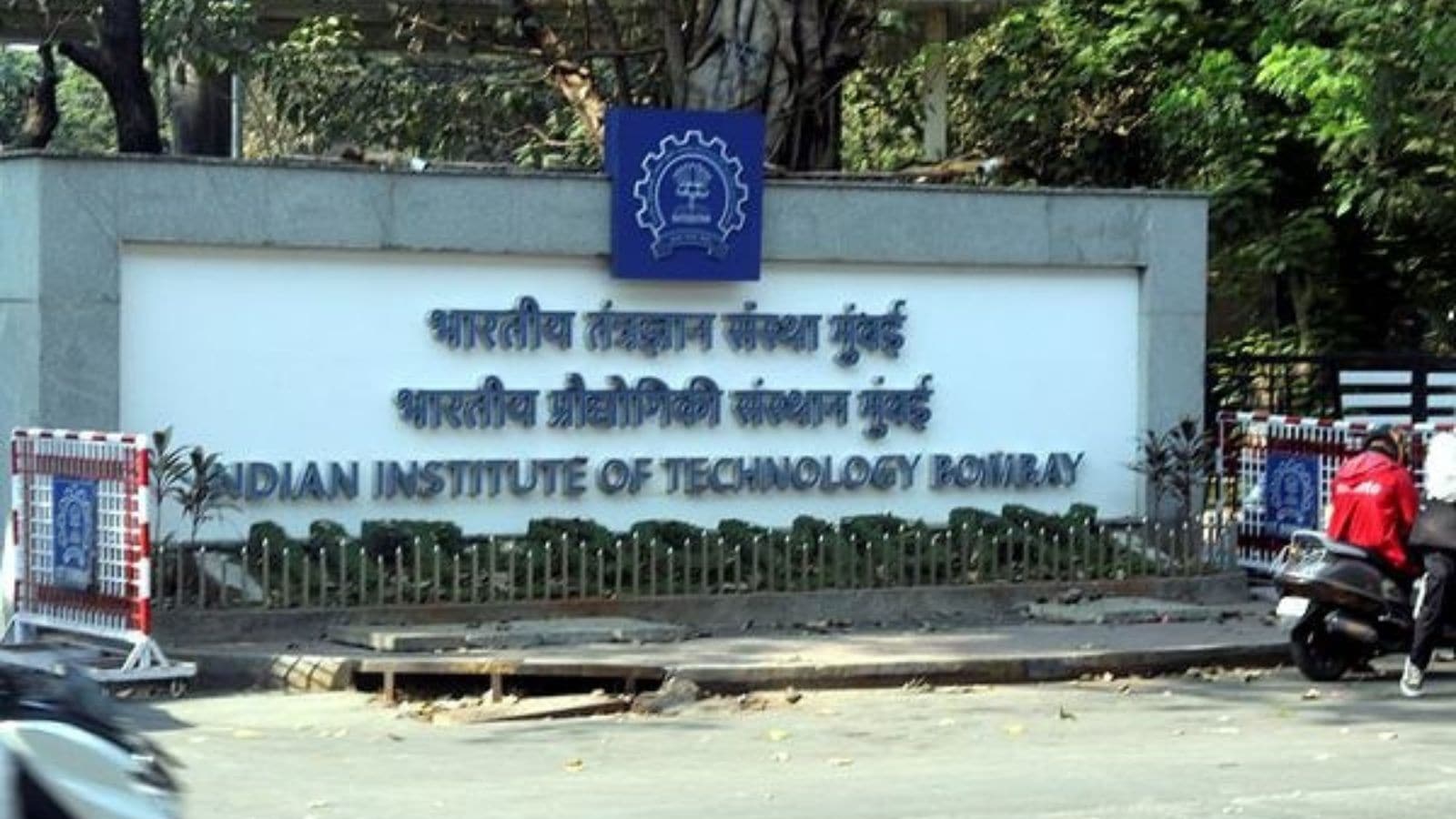
Despite these significant strides, challenges remain. As of 2025, the absence of women in director roles at Indian Institutes of Technology (IITs) highlights a need for further progress, with only one exception at the IIT Madras overseas campus. Initiatives such as the Department of Science and Technology’s Women Scientists Scheme and KIRAN aim to bolster women’s career prospects in research, but further expansion is crucial.
Shifting Societal Attitudes
Encouragingly, societal perceptions are evolving. Families are increasingly supportive of daughters pursuing careers in science, fostering an environment where achievements are celebrated. It is now commonplace for families to boast about their daughters in prestigious roles, thus challenging entrenched beliefs about gender roles.
Conclusion: The Path Forward
International Daughter’s Day serves as a poignant reminder of the potential every girl holds to become a leader, innovator, or scientist. The historical tale of Lilavati and the suffocating effects of colonial policies reveal how far we have come, yet also how much work remains. Celebrating the contributions of daughters today not only rectifies historical injustices but also unlocks India’s full potential by embracing the talents of all its citizens. With every daughter empowered to learn and lead, the nation is set on a trajectory toward excellence.
