


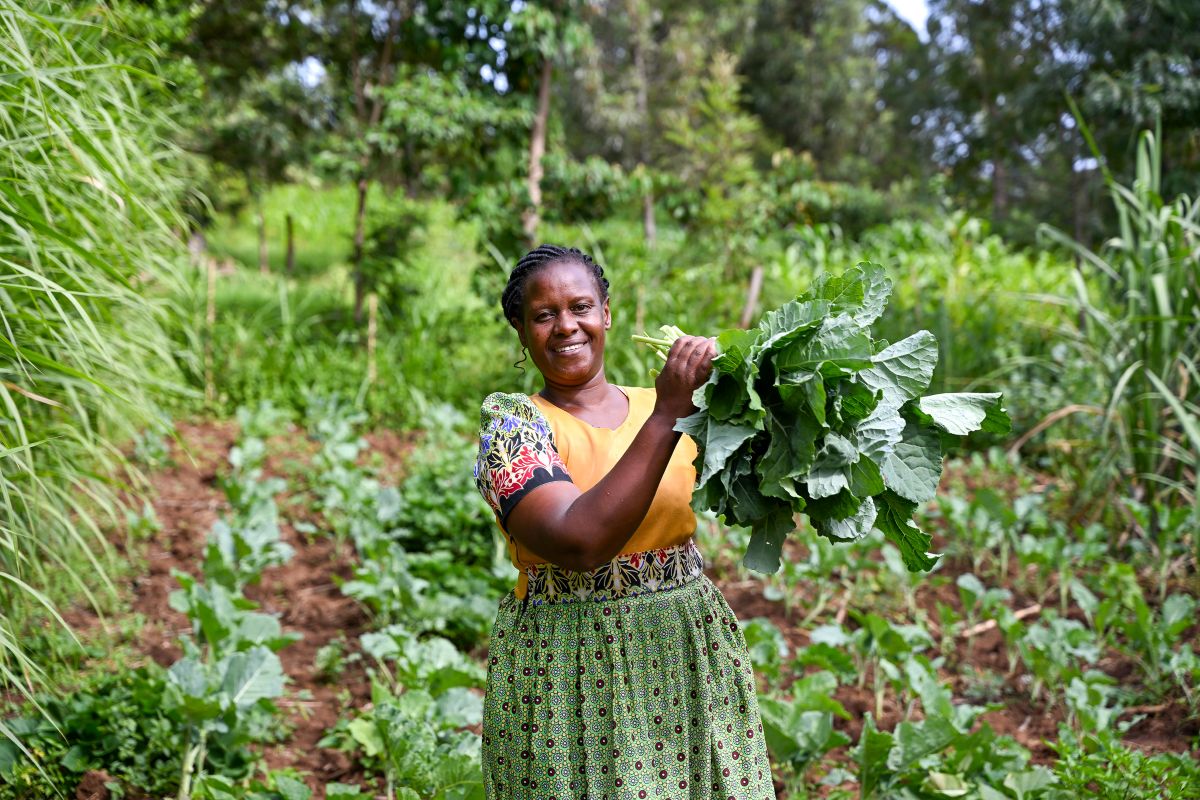
Climate change is deeply intertwined with social inequalities, disproportionately affecting women and marginalized communities. These groups often find themselves on the frontlines of challenges such as displacement, food insecurity, and loss of income, underlining the urgent need for a comprehensive Gender Action Plan (GAP) at COP30. Implementing a robust GAP is therefore essential, not only for justice but as a strategic approach to enhancing climate action effectiveness.
“Failure to adopt a robust GAP would set back gender equality and human rights, undermining hard-won progress and signaling that women’s leadership and experience are expendable in the climate fight,” states Sarah Hendriks, Director of Policy, Programme, and Intergovernmental Division at UN Women.
The Gender Action Plan, introduced in 2017, has played a critical role in integrating gender considerations into the UN Framework Convention on Climate Change (UNFCCC) processes. Its influence spans across various facets of climate strategy, including mitigation, adaptation, and financial frameworks, empowering countries and civil society to incorporate gender equality firmly into their climate decision-making.
UN Women’s Calls to Action Ahead of COP30
As COP30 approaches, UN Women is urging participating nations to embrace a transformative Gender Action Plan that:
- Addresses the underlying causes of gender inequality and climate vulnerability, rooted in accountability and implementation.
- Is sufficiently funded to support its objectives.
- Safeguards and advances the rights of all women and girls.
- Upholds human rights and civic space, recognizing the vital contributions of women environmental human rights defenders in achieving climate justice.
“The adoption of a strong GAP at COP30 will be a defining moment of global commitment to gender equality and will reinforce the UNFCCC as a platform for inclusive, rights-based multilateral climate governance,” Hendriks adds.
UN Women calls on global leaders to embrace this critical opportunity and reaffirm that gender equality is a fundamental aspect of effective, inclusive, and just climate action.
Launch of the Gender Equality and Climate Policy Scorecard
Coinciding with the start of COP30 on November 10, UN Women alongside the Kaschak Institute for Social Justice for Women and Girls will introduce the Gender Equality and Climate Policy Scorecard. This innovative tool assesses how effectively governments are addressing gender inequalities through their national climate strategies.
The initial analysis focuses on 32 Nationally Determined Contributions (NDCs) as submitted under the Paris Agreement. It evaluates progress and identifies areas for improvement across six key dimensions: economic security, unpaid care work, health, gender-based violence, participation and leadership, and gender mainstreaming.
Initial findings reveal that while most countries recognize women’s enhanced vulnerability to climate change, few acknowledge their role in providing solutions or adopt a comprehensive approach to mitigating gender inequalities. Ten countries across five regions exhibit robust policy commitments in five or six areas, while sixteen countries take a moderately comprehensive or limited approach to integrating gender equality. Alarmingly, six nations have made no commitments towards future gender-responsive actions in their NDCs. Notably, while many efforts center on improving women’s economic security amid the climate crisis, critical issues such as health, unpaid care work, and gender-based violence remain insufficiently addressed.
The Scorecard’s insights will be discussed during UN Women’s side event at COP30, in partnership with the Government of Liberia and the Kaschak Institute, titled “Gender-Responsive Climate Action: Unleashing and Accelerating Implementation of the Paris Agreement.” This event is scheduled for Thursday, November 20, from 2 to 3:30 p.m. at the Government of Liberia’s pavilion.
Expert Interviews
For those interested in arranging an interview with a UN Women expert, please reach out to the Media Team at [Click to reveal].
About UN Women
UN Women is dedicated to enhancing women’s rights, promoting gender equality, and empowering all women and girls. As the leading UN entity focused on these issues, UN Women works to reform laws, institutions, social norms, and services to bridge the gender gap, striving for a world where all women and girls can thrive. Our commitment to maintaining women’s rights at the forefront of global progress is unwavering, reinforcing our belief that gender equality is not merely a function of our work; it encapsulates our identity.
