


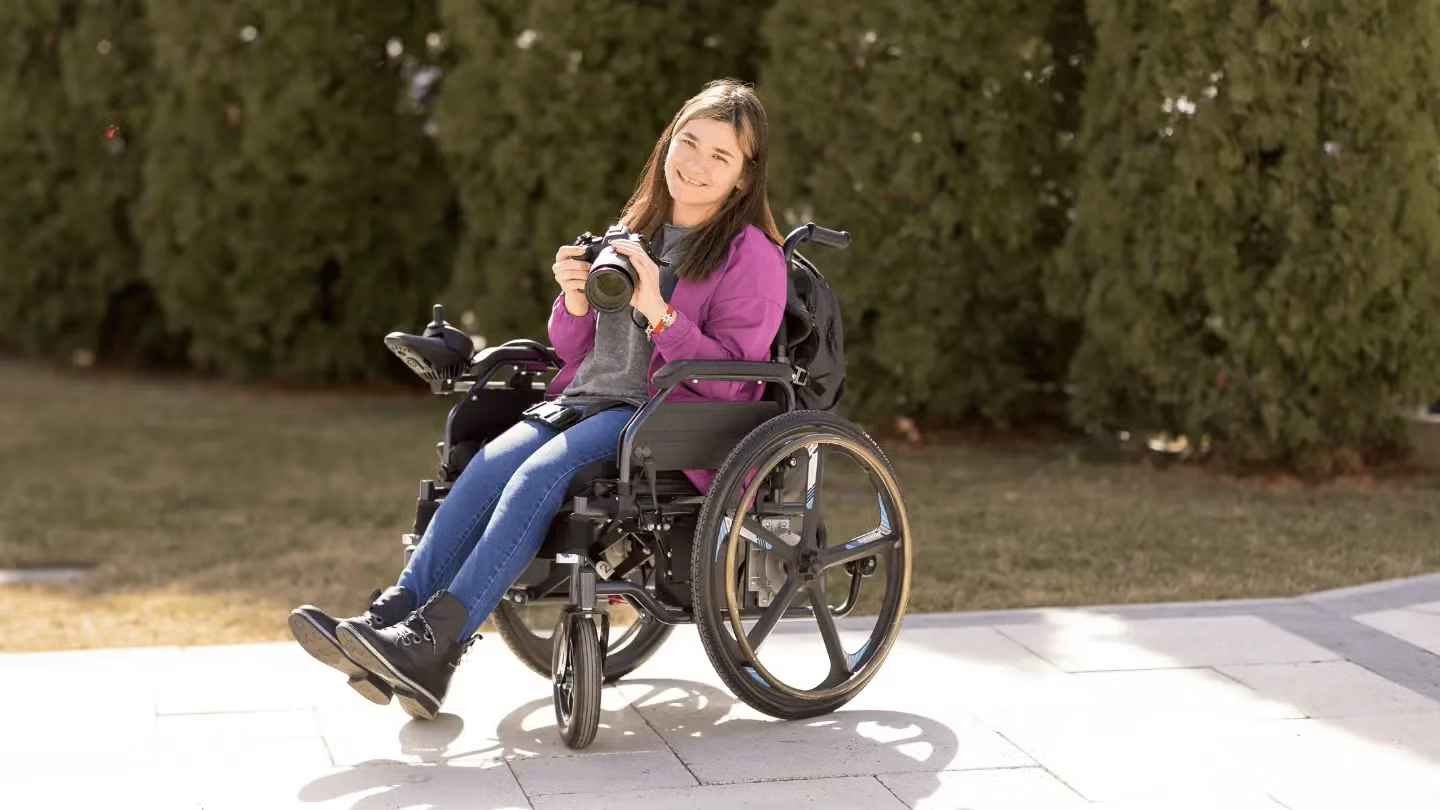
In Moldova, a transformative journey is underway for women and girls with disabilities, significantly supported by capacity-building programs organized by the MOTIVATIE Association in partnership with UN Women and UNFPA. This initiative aims to empower participants, including Felicia Bulmaga, a 33-year-old woman living with a locomotor disability. The training, part of the “EU 4 Gender Equality: Together against gender stereotypes and gender-based violence” program, focused on enhancing the independence and self-esteem of women in similar situations.
Training for women and girls with disabilities in Moldova to challenge stereotypes and gender-based violence. Photo: Ion Buga/Motivatie NGO
“I wish all women and girls would have the courage to face challenges and claim their right to equal opportunities,” stated Felicia, emphasizing the paramount importance of self-advocacy among women with disabilities. The World Health Organization highlights the disproportionate impact of disability on women, reporting that approximately 19.2% of women aged 18 and older are affected, a stark contrast to 12% of men. This disparity is influenced by factors including longer life expectancy and various health-related issues.
The intersection of gender and disability results in significant challenges, including barriers in education and employment that many women with disabilities face. Societal attitudes often perpetuate stigmas, viewing these women as less capable, thereby limiting their societal participation. Persistent internalized stigma can further hinder self-confidence and restrict access to essential resources and opportunities.
Felicia’s journey exemplifies the shift that empowerment can instigate. Since engaging in the training, she has built a career as a photographer for Chișinău City Hall, capturing pivotal moments at public events. “This job has allowed me to grow professionally as I have taken additional photography courses. When I received my first paycheck, I was overjoyed to hold my own money for the first time,” she shared, reflecting her newfound independence.
The “EU 4 Gender Equality” initiative is not just about personal growth; it also aims to dismantle societal barriers, enabling women with disabilities to harness their potential. Through open dialogue and community engagement, the program cultivates an environment where women can advocate for their rights and access vital opportunities.
Ludmila Iachim, the Executive Director of the MOTIVATIE Association, encapsulates the spirit of this movement. She has dedicated two decades to enhancing the lives of persons with disabilities in Moldova. “Disability is not a sentence, but a challenge that makes you stronger,” said Ludmila, stressing the resilience that can emerge from difficult circumstances.
Similar initiatives in Armenia have yielded favorable results as part of the “EU 4 Gender Equality” program. Training sessions provided women with disabilities a safe environment to discuss reproductive health and employment opportunities, equipping them with skills that directly improved their livelihoods and well-being. Community-based groups have begun to form, enabling members to support one another in their journeys toward empowerment.
Research from the “EU 4 Gender Equality” program indicates a notable shift in societal perceptions. A significant percentage of participants reported changes in attitudes toward gender roles. For example, only 27% of participating women believed that a “good wife” should never question her partner’s decisions, compared to 80% of those who did not participate in the program. This highlights the transformative effect of educational initiatives on societal norms.
In summary, programs like the “EU 4 Gender Equality: Together against gender stereotypes and gender-based violence” are vital for endorsing the rights and opportunities of women and girls with disabilities. By fostering empowerment, advocacy, and community support, these initiatives contribute to breaking down entrenched stereotypes and creating a more inclusive society.
This article is produced as part of the “EU 4 Gender Equality: Together against gender stereotypes and gender-based violence” program, a collaborative effort funded by the European Union and executed jointly by UN Women and UNFPA. It reflects the commitment to driving positive change and equality in the lives of women with disabilities.
