


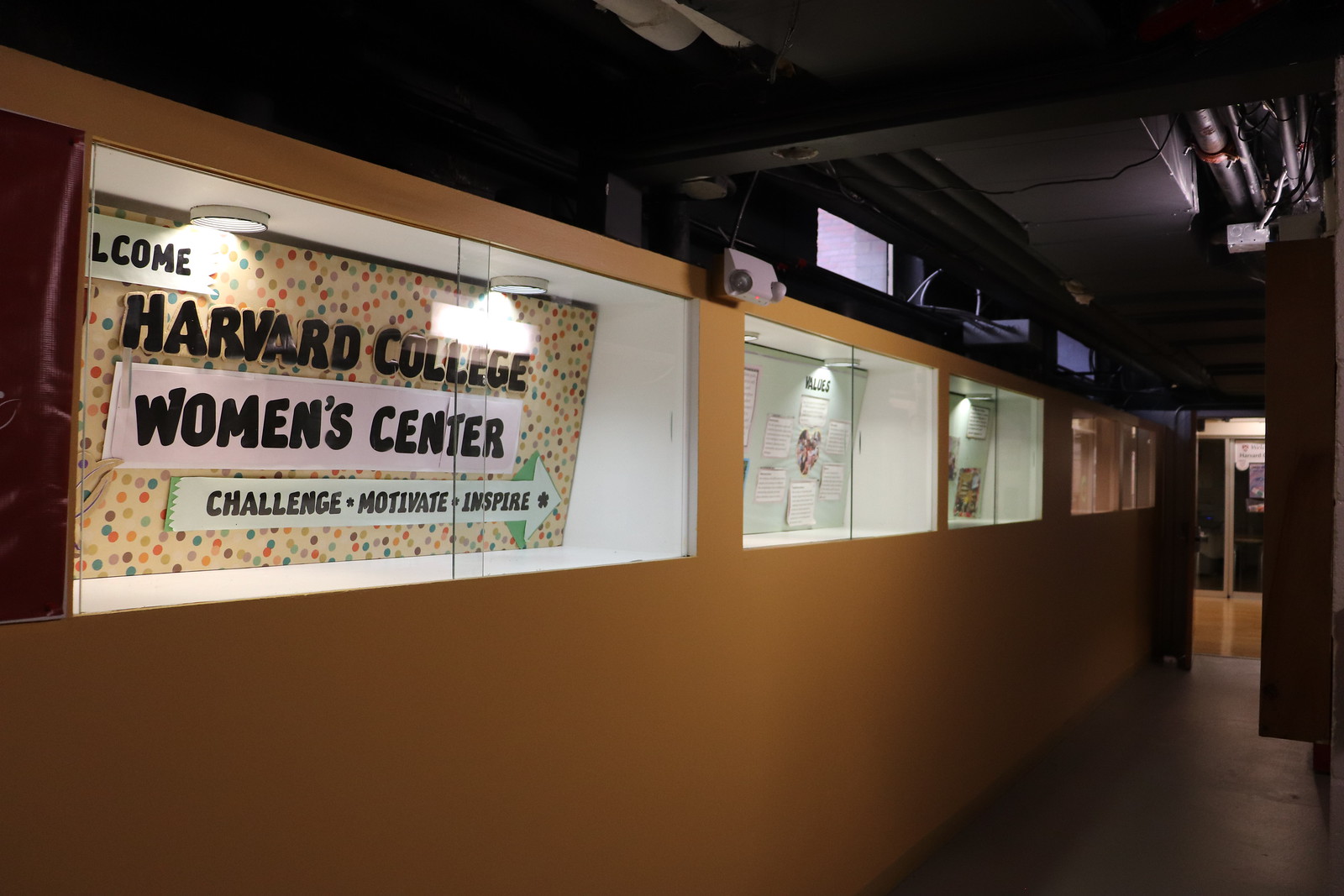
In celebration of Earth Day, a significant event titled “Women Leading Climate Action: A Conversation on Equity, Power, and the Planet” took place at the Harvard College Women’s Center. This gathering brought together several influential female leaders in climate and sustainability, focusing on the active role women are playing in combating the climate crisis.
The panel featured four inspiring founders of eco-friendly initiatives who shared insights into their respective projects and visions for a sustainable future. Hellen J. Chabunya, a student at Harvard Kennedy School, introduced her venture, Chuma—a program dedicated to reducing food insecurity, particularly among women and children in Malawi. By connecting women to small parcels of land, Chuma not only provides agricultural support but also educational services that enhance their livelihoods.
Chabunya expressed her ambitious goals, stating, “The hope is that we’re going to roll out as a national program by the end of next year, and that will cover 400,000 acres of land that would directly impact about one million Malawian small-order farmers in food security.”
Another noteworthy initiative highlighted at the event was ReGeneración, which was founded by Dara C. Adamolekun, a member of the Class of 2025. This initiative focuses on supporting farmers in Africa by training young individuals in agro-technology and essential digital skills, enabling them to comply with new European Union regulations aimed at preventing deforestation. Adamolekun explained, “ReGeneración, is Spanish for ‘regeneration,’ is social innovation that aims to train young people in agro-technology and the digital skills to help farmers comply with a recent deforestation regulation.”
The European Union has instituted a regulation that prohibits the sale of certain commodities unless they can be verified as not contributing to deforestation or forest degradation worldwide. ReGeneración plays a vital role in ensuring compliance through education and training in data collection methods.
Mary Catherine H. LaPlante, a co-founder and CEO of Composite AI and member of the Class of 2026, discussed her startup aimed at helping small businesses meet upcoming EU requirements for reporting Scope 1, 2, and 3 emissions. “We use AI to essentially help these smaller and medium-sized businesses who might not have as many resources as these large corporations to do this kind of work,” LaPlante remarked. “We help them with a super simple and easy AI platform that allows them to basically input all of their suppliers and have an estimate of their Scope 3 — their supply chain — carbon emissions.”
Hande Ilhan, a student at Harvard Business School and founder of Kykloris, also shared her endeavor focused on sustainable materials. Her startup is working to convert crustacean shell waste into a biopolymer known as chitosan, which has a variety of industrial, medical, and agricultural applications. Ilhan described chitosan as “a bio-based material, sustainable, natural and it can be turned into many different applications, like wool dressings that actually heal wounds faster than the traditional ones, or filter metals, microplastics from our water, many other amazing applications.”
As the event concluded, the panelists left the audience with optimistic messages about the future of climate action and the importance of women leading in these spaces. Chabunya conveyed her confidence in the new generation’s dedication to climate activism, emphasizing, “I’m very hopeful about this generation’s openness and proactiveness and activism in the climate space.” She further asserted the critical need for women to occupy these pivotal roles in sustainability.
