


Redistricting in Utah: The Push for Change by Mormon Women for Ethical Government
In an unprecedented move, Utah lawmakers are undergoing a redistricting process due to a lawsuit brought forth by an advocacy group known as Mormon Women for Ethical Government (MWEG). This legal effort aims to reshape the state’s congressional map in a way that fosters fair representation for Democrats in a predominantly Republican landscape.
The Leaders Behind the Movement
Emma Petty Addams, a classically trained pianist and co-executive director of MWEG, has momentarily set aside her musical pursuits to focus on this pressing issue. “This thing called democracy is important,” Addams remarked during a recent interview at her home in Salt Lake City.
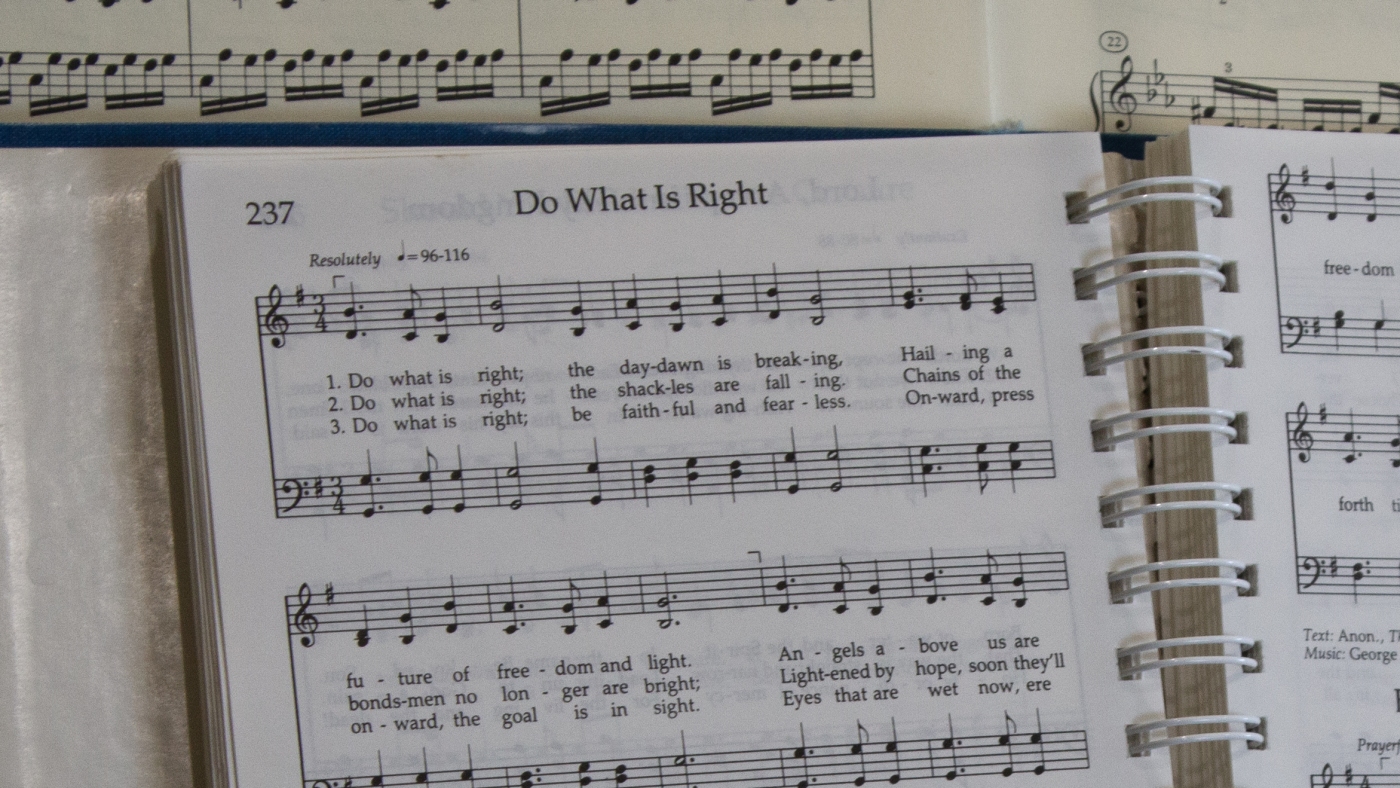
She was joined by Vicki Reid, another plaintiff in the case, who connects her activism to her faith as a member of The Church of Jesus Christ of Latter-day Saints. Reid highlighted the moral encouragement she finds in a familiar hymn: “Do what is right, let the consequences follow.”
The Legal Background
A court order stemming from this lawsuit resulted in Utah’s legislature approving a new district map, which is anticipated to better the chances for Democratic candidates in the region. This comes at a time when former President Trump has heightened interest in redistricting issues nationally, asserting that it undermines the democratic process and urging Republican states to safeguard their congressional positions.
Pushing Back Against Criticism
While some Republican lawmakers express frustration, asserting they represent Utah residents’ needs more effectively than the plaintiffs in the lawsuit, the legal challenges continue. Republican State Representative Candice Pierucci voiced her concerns, claiming that outside influences are attempting to dictate local governance.
MWEG’s Commitment to Fair Representation
Founded in 2017 in response to what it identifies as “dehumanizing behavior” in politics, MWEG has grown to include nearly 9,000 members, a diverse group comprising about 40% Republicans and 34% Democrats. This cross-partisan coalition highlights the organization’s focus on ethical conduct in governance rather than party affiliation.
Laura Eyi, MWEG’s public relations manager, explains how their common faith encourages members to engage respectfully with differing viewpoints. “That comes from a place of faith,” she stated, emphasizing the importance of upholding the dignity of all individuals involved in political discourse.
The Implications of Recent Developments
The recent court-ordered changes signify a pivotal moment, as Utah’s legislature attempts to comply with the ruling while grappling with the broader implications of partisan gerrymandering practices. A previous attempt by voters to form an independent commission for redistricting in 2018 had been largely overridden by state lawmakers.
MWEG, alongside the League of Women Voters and individual plaintiffs, successfully challenged the Legislature’s authority over redistricting maps. This lawsuit marks a significant chapter in Utah’s political history and may influence similar efforts across the nation.
Next Steps in the Redistricting Process
The newly approved district map is scheduled for judicial review, allowing MWEG and other plaintiffs to present their objections. Addams remains critical of the map, insisting it fails to meet the non-partisan requirements advocated by voters.
“MWEG joins thousands of Utahns who expressed concerns against the legislature’s partisan gerrymandered map,” Addams stated. “We believe in a government that truly represents its people.”
As this situation unfolds, the balance of power within Utah’s congressional delegation may hinge on these developments, with implications that could resonate well beyond the state’s borders.
