


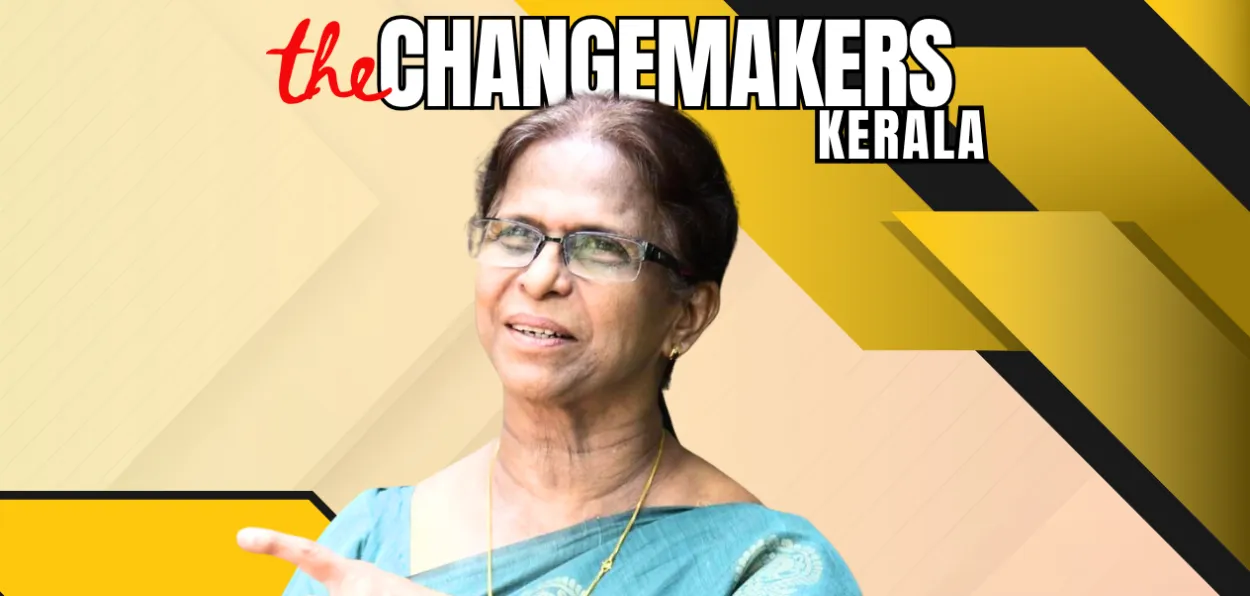
Kadeeja Mumtas: Advocate for Change in Kerala
Who is Kadeeja Mumtas?
Kadeeja Mumtas is a prominent figure from Kerala, celebrated for her contributions as an award-winning novelist, a skilled gynaecologist, and an activist dedicated to Muslim women’s rights. In 2010, her fictional work, Basra (translating to “The One Without the Veil”), earned her the Kerala Sahitya Academy award for best work of fiction.
Career Transition and Activism
Having initially practiced medicine at Kozhikode Medical College Hospital, Mumtas eventually stepped away from her medical career to focus on activism. With a commitment to reforming the societal norms for Muslim women, she has courageously challenged traditional interpretations of Islamic laws regarding succession and gender rights.
FORGEN: A Platform for Gender Justice
One of the driving forces behind her activism is the Forum for Muslim Women’s Gender Justice (FORGEN). Mumtas has been at the forefront, advocating for amendments to the Succession Act, seeking reforms that are reflective of contemporary needs while opposing the imposition of a Uniform Civil Code.
“The very core purpose of personal law, as given by the Quran, was justice. It wanted to deliver justice to all, irrespective of colour, creed, and gender,” stated Mumtas.
Challenges and Awareness
Mumtas expressed concern about the slow progress of her petition in the Supreme Court, which aims to amend the outdated laws affecting Muslim women’s rights. She emphasized the need for community awareness, noting that many women remain unaware of their rights due to societal conditioning.
She explained: “So we do a lot of awareness building among women, so that they know what their rights are.”
Barriers to Rights
Many Muslim women in Kerala discover their limited rights primarily upon the death of a male family member. In such cases, property rights often default to male relatives, effectively sidelining widows and daughters. Mumtas pointed out that issues like triple talaq and polygamy are less pertinent in Kerala than the restrictive Succession Act.
Cultural Engagement
Mumtas is also involved in addressing rising Islamophobia in the region. Collaborating with representatives from Hindu and Christian communities, she actively participates in cultural initiatives, such as organizing Sufi music programs aimed at fostering interfaith dialogue.
“The poison of Islamophobia is vitiating the air. We have to understand it and look for reasons and find solutions,” she remarked at a recent forum.
Literature Amid Advocacy
Although her activism takes precedence in her life, Mumtas expresses a longing to return to long-form fiction. Her earlier works, including Barsa and Neettiezhuthugal, reflect her rich experiences and insights into societal issues, particularly those affecting women in the context of Islamic practices in India.
In Barsa, which is set against her experiences in Saudi Arabia, she explores the complexities faced by a gynaecologist married to a Muslim husband, navigating the struggles of identity and belonging.
Conclusion
While Kadeeja Mumtas does not see herself as a change-maker, her efforts are reshaping the landscape for Muslim women in Kerala. Through her multifaceted roles, she continually advocates for progress, ensuring that the voices of women are heard and their rights upheld in contemporary society.
