


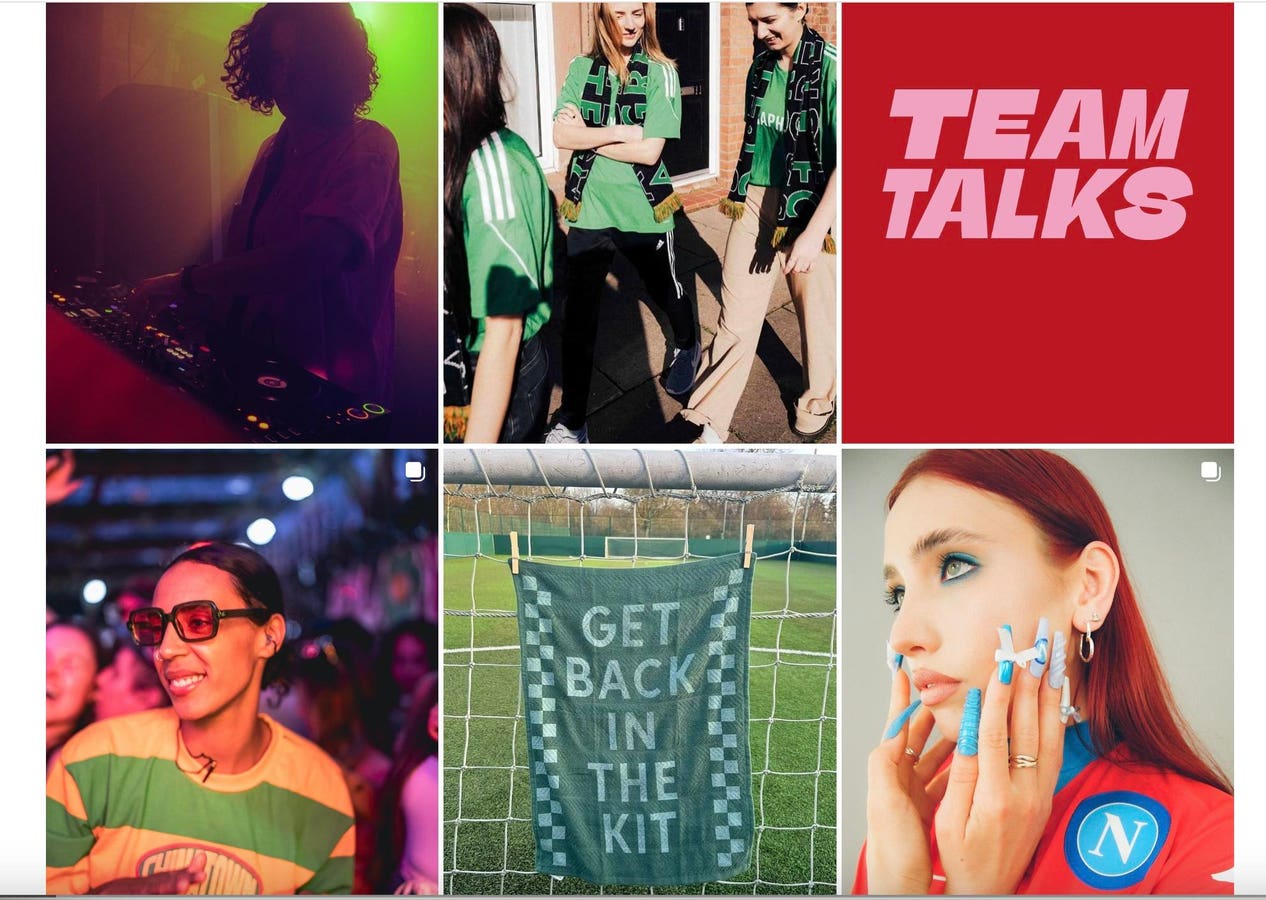
The growing enthusiasm for women’s sports is evident across various facets, including viewership, merchandise sales, community engagement, and the emergence of new fan bases. As brands evaluate how to tap into this thriving sector, they can leverage unique opportunities to foster social impact while catering to a burgeoning market.
As the UEFA Women’s Euro Tournament approaches this July, the focus on fan culture, rivalry dynamics, legacy building, and engaging narratives becomes ever more critical. Insights from industry experts at notable marketing and media agencies shed light on how organizations across sectors can seize the moment.
Demystifying Women’s Sports: Audience Engagement Insights
Traditionally viewed as a risky investment, women’s sports have shattered misconceptions regarding audience engagement. Recent data reveals that 73% of global sports fans now watch women’s sports regularly, with a notable increase in male viewership—23% watch female athletic events weekly, surpassing the 15% of female viewers.
Reports from Deloitte forecast global revenues for women’s elite sports reaching at least $2.35 billion by 2025, following an earlier projection. Furthermore, despite women athletes comprising only 43% of competition coverage during the Paris 2024 Olympics, they accounted for over half (53%) of social media engagement, demonstrating their potent influence. The merchandise market surrounding women’s sports is estimated to be worth around $4 billion annually, with demand frequently outstripping supply.
Influential figures such as American rugby player Ilona Maher embody this shift, gaining substantial social media followings and positioning herself as a role model in the sporting community. Those involved in women’s sports marketing, including Matta’s Flo Williams, note that brands engaging with women athletes tend to experience higher return on investment, with sponsorships driving twice the purchase intent compared to men’s sports.
Creating Lasting Legacies Through Investment
Investing in women’s sports not only boosts short-term commercial gains but also contributes to enduring social change. By supporting women’s athletics, brands can create narratives around empowerment, health initiatives, and enhanced visibility for female athletes. As Williams explains, partnering with women’s sports provides an opportunity to claim impactful legacies: “You can come in and say, ‘we filled that stadium’ or ‘we helped fund research to tackle critical health issues.’”
Brands are encouraged to engage meaningfully rather than opportunistically, building long-term partnerships with smaller teams and grassroots organizations, crucial for sustainable development in women’s sports.
Unlocking Cultural Potential and Gender Inclusivity
Emerging collaborations between mainstream and niche brands are valuable in establishing cultural relevance. Jules Hilson from See You at Jeanie’s points to collaborations, such as Arsenal’s unisex streetwear line with Aries, as vital for fostering inclusivity in sports culture. These partnerships aim to normalize gender-fluid promotions within sports apparel.
Content that celebrates both men and women athletes without hierarchy is essential. Initiatives like Netflix’s 2024 docudrama “Sprint,” which highlights the achievements of top athletes across genders, help normalize this aspect of women’s sports, showcasing the broader cultural dimensions at play.
Redefining Fan Experiences and Community Building
A new approach to fandom is evolving, emphasizing inclusivity and a departure from traditional rivalries. Football media entity Footballco indicates that a significant percentage of fans believe women’s football should be celebrated for its distinct culture, with 62% supporting a balanced lifestyle and cultural content in discussions about women’s sports.
As Morgan Brennan from INDIVISA suggests, brands must recognize the nuances that differentiate women’s football, showcasing its unique cultural aspects rather than simply merging it with men’s sports. Initiatives like Baller FC foster community among diverse fan bases and broaden participation for all individuals, regardless of skill level.
Celebrating the Joy of Sports
Williams and Hilson highlight the importance of marketing narratives that focus on the joy of participation and community, rather than solely on adversity. Advertisements, such as Nike’s Super Bowl 2025 campaign “So Win,” should showcase the fun and excitement associated with women’s sports, rather than framing the narrative around struggle and negativity.
Statistics also show that campaigns focusing on positive representations of women result in 24% better business effectiveness, underscoring the necessity for brands to shift their narrative focus.
Experiential Marketing Initiatives
Experiential events, such as Athlos—the first professional, female-only track and field series—represent a step toward redefining how women’s sports can be celebrated. With performances from artists like Megan Thee Stallion and a focus on showcasing female athlete excellence, this model embodies a new era for women’s sports that embraces celebration alongside competitiveness.
Supporting Grassroots and Community Efforts
Organizations participating at the grassroots level play a critical role in empowering women and girls in sports. Collaborations such as Clinique’s partnership with Matta demonstrate how brands can create meaningful campaigns in tandem with grassroots initiatives, providing both financial support and visibility to lesser-known clubs and their athletes.
Accessibility remains a major theme, with brands encouraged to cultivate environments that foster inclusion and support for all participants, regardless of talent or experience, as demonstrated by groups like Goal Diggers FC.
Brands to Watch in Women’s Sports
As the landscape of women’s sports evolves, a range of brands are innovating in their approaches to sponsorship and marketing. Supermarkets, beauty brands, and even traditional sportswear companies stand to make a significant impact by aligning their products and values with women’s sports. Emerging brands are encouraged to consider how their products can contribute to the overall experience of female athletes and fans alike.
Collaborative ventures, such as Maybelline’s partnership with the Women’s National Basketball Association and Charlotte Tilbury’s involvement in the female-only F1 Academy, reflect a growing trend of brands supporting women’s sports as they understand the unique needs of female athletes.
Engaging Younger Generations in Sports
With a well-documented drop-off in sports participation levels among teenage girls, brands must focus their marketing strategies on younger audiences. Engaging girls before the crucial age of 14, when many opt out due to concerns over body image and self-esteem, is essential for fostering lifelong relationships with sports.
Brands that prioritize accessibility, inclusivity, and community will not only enhance female participation in sports but also establish loyal customer bases and long-lasting legacies in the world of women’s athletics.
