


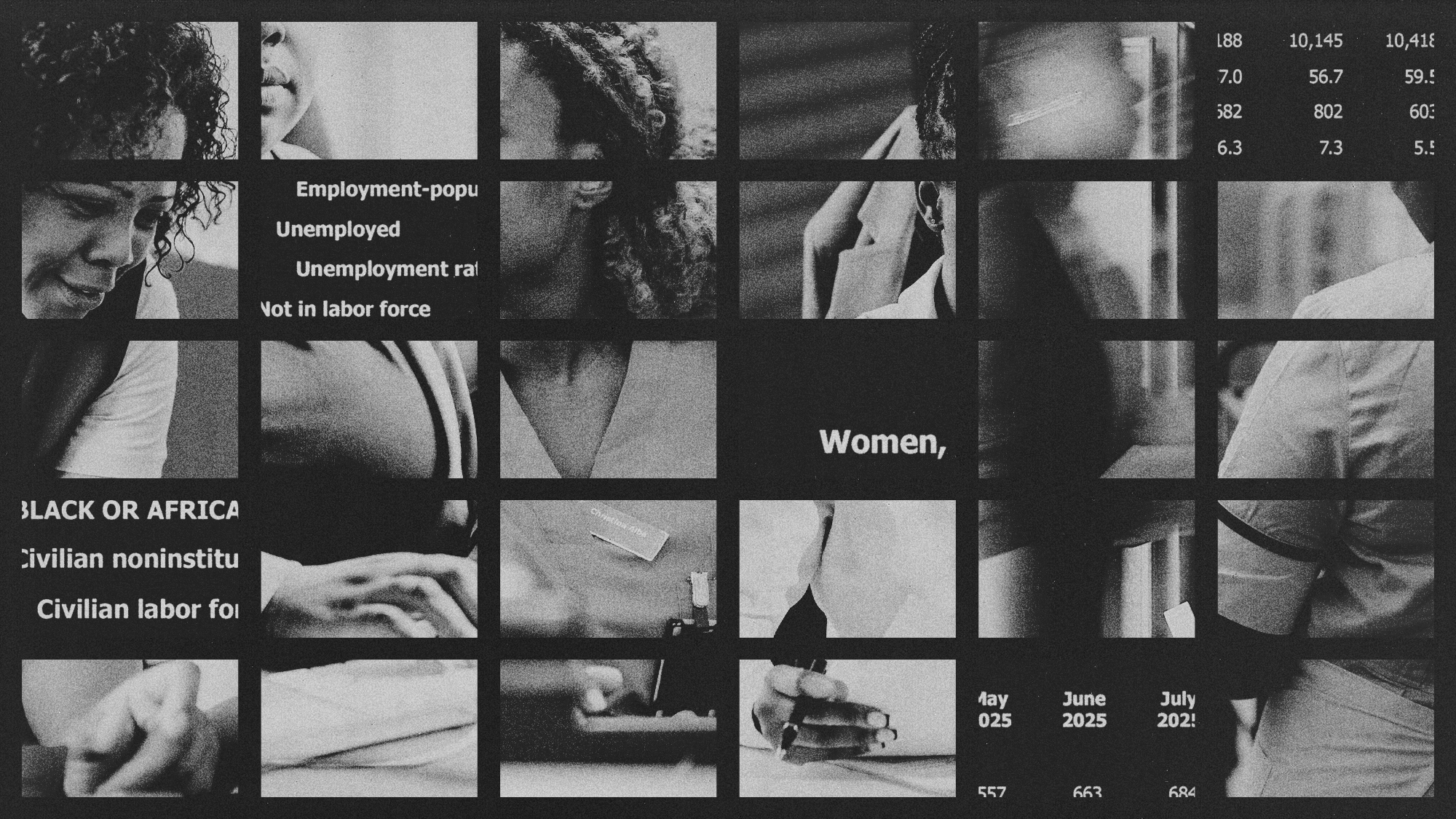
Recent data has highlighted a concerning trend within the American labor market: approximately 300,000 Black women have exited or been pushed out of the workforce since spring. This alarming decline occurs amidst broader economic uncertainty, prompting concern from both economists and sociologists about its implications for families and the economy as a whole.
The Impact of Federal Policies
Despite positive headlines about job growth, many Black women are experiencing a different reality. According to The Root, factors such as federal layoffs and decisions affecting diversity, equity, and inclusion (DEI) initiatives have contributed to what can be described as a “quiet crisis.” The departure of these women from the workforce not only represents a significant loss to an already narrow employment pipeline but also serves as a clear indicator of structural failures in public policy.
Critically, sweeping cuts to public sector agencies have disproportionately affected sectors where Black women have historically found stable employment. This situation indicates that the issue is not merely a statistical anomaly but rather a direct consequence of specific federal policy choices, as noted by MSNBC.
Challenges Contributing to Workforce Exits
Several factors are driving the reduction in Black women’s labor force participation. These include:
- Inflation and rising costs of living
- Student loan debt
- Automation affecting job availability
- Underrepresentation in rapidly growing tech industries
Additionally, a significant barrier is the “widening network gap” that these women face. Many industry-focused mentorship programs are often perceived as tied to DEI initiatives and have become targets in the current climate that shuns such efforts. For many Black women, DEI was a vital pathway into the workforce—serving as a crucial support system in an environment often unwelcoming to them, as emphasized by Ebony.
The increasing reliance on artificial intelligence in hiring processes adds to the problem. Tools designed for recruitment can inadvertently reinforce existing biases, resulting in diminished hiring opportunities for Black women, as highlighted by Forbes.
Consequences for the Broader Economy
The decline in Black women’s workforce participation poses serious concerns for the U.S. economy. With a significant portion of Black households being led by working mothers, this labor market exodus threatens not only family financial stability but also broader economic factors such as housing stability and consumer spending. As noted in USA Today, the loss of Black women from the labor force serves as an early warning sign of economic distress—historically, the Black unemployment rate has been the first to reflect downturns.
Economist Gbenga Ajilore pointed out the systemic implications of this trend. “The Black unemployment rate is always the first to go up,” he stated, emphasizing its role as a “canary in the coal mine.” Moreover, data suggests that the recent 2% decline in Black women’s labor force participation has resulted in an approximate economic loss of over $37 billion from the U.S. GDP, as per gender economist Katica Roy at ABC News. This illustrates the broader economic hazards linked to ignoring gender-related policies.
