


Embracing Strength and Confidence After 40
Defying Beauty Norms
For many, gaining beauty after 40 has often been viewed through a narrow lens of age-related limitations. However, countless women are rewriting this narrative. They are not only engaging in physical activities but also fostering a mindset that emphasizes vitality and resilience. These women illustrate a lifestyle connected to empowerment, rather than adhering strictly to superficial beauty standards.
A Community of Strength
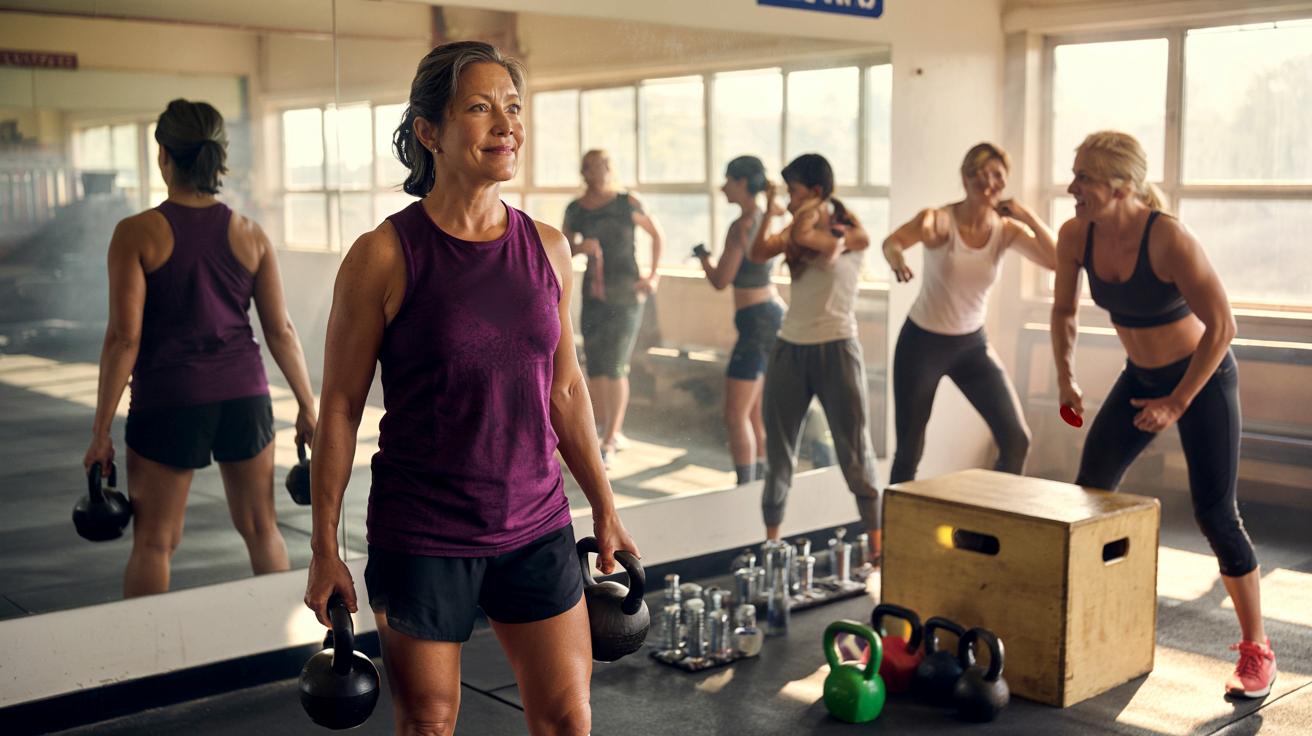
In a lively sports hall filled with early morning energy, women from their forties to sixties gather for a circuit workout in Hackney. Amongst the camaraderie, jokes about “singing knees” pepper the air, symbolizing an acceptance of age and its realities. A mural quietly asserts: “Strong at any age,” reinforcing a powerful message as women challenge themselves physically, moving beyond just appearances.
Transforming the Mirror’s Reflection
As women reach their forties, it becomes clear that confidence is not just an innate trait; it develops through persistent effort and self-affirmation. For example, rather than striving for smaller sizes, many women prioritize stability and strength. They shift their perception of the mirror from one of judgment to one of proof, embracing the progress that comes with time.
Consider Maria, a 47-year-old nurse from Manchester. Balancing a demanding job and family commitments, she started with brief ten-minute walks and gradually incorporated strength training. Her journey saw her don a swimsuit for the first time in years on a holiday, marking a pivotal change in her self-perception.
The Importance of Functional Fitness
Biologically, bodies over 40 undergo significant changes, making strength training an essential ally for health. It isn’t merely about aesthetics; it focuses on supporting bones and joints, enhancing overall freedom of movement. Research underscores the benefits of muscle strength on mood and function, highlighting the importance of community and support in this journey.
Effective Strategies for Building Strength
A practical strength training regimen can be initiated with simple, repeatable exercises, allowing women to gradually build endurance and muscle. Here are key recommendations:
- Engage in a short routine two to three times per week, focusing on five fundamental movements: push, pull, hinge, squat, and carry.
- Choose suitable footwear and incorporate appropriate warm-ups to protect your joints.
- If recently active again post-injury, consulting a physiotherapist can be beneficial.
- Ensure adequate protein intake post-workout and practice mindful self-talk throughout your training sessions.
Real-Life Applications of Confidence
The women who found their strength began redefining their interactions with their bodies and with others. They expressed a newfound confidence by making choices that prioritized their well-being over societal standards. Actions such as wearing shorts at the park or asserting boundaries at work transformed their self-image profoundly.
“I stopped asking my body to look younger and started asking it how to feel stronger. The mirror softened back.” — Aisha, 52
Measuring Success Beyond the Scale
Progress can be evaluated beyond mere numbers on a scale. Consider these approaches:
- Track improvements in strength, energy levels, and mood rather than weight loss alone.
- Recognize and celebrate achievements, such as lifting heavier weights or experiencing enhanced sleep quality.
- Schedule recovery and self-care as you would any important meeting.
Frequently Asked Questions
How do I start lifting after 40 without getting injured? Begin with lighter weights focusing on proper form. Consider a session with a coach for personalized guidance.
What if I dislike the gym? There are alternatives such as training at home or participating in community fitness classes.
Will weights make me bulky? Typically, muscle growth is gradual and does not lead to excessive bulk without specific dietary changes.
How can I maintain consistency during perimenopause? Adapt your routine based on energy levels—lower volume on tough days and prioritize rest.
What is an alternative way to measure progress? Keep a log detailing sets, reps, and mood variations as opposed to relying solely on weight measurements.
