


Advocacy for Asylum-Seeking Women: A Call to Address Systemic Inequities
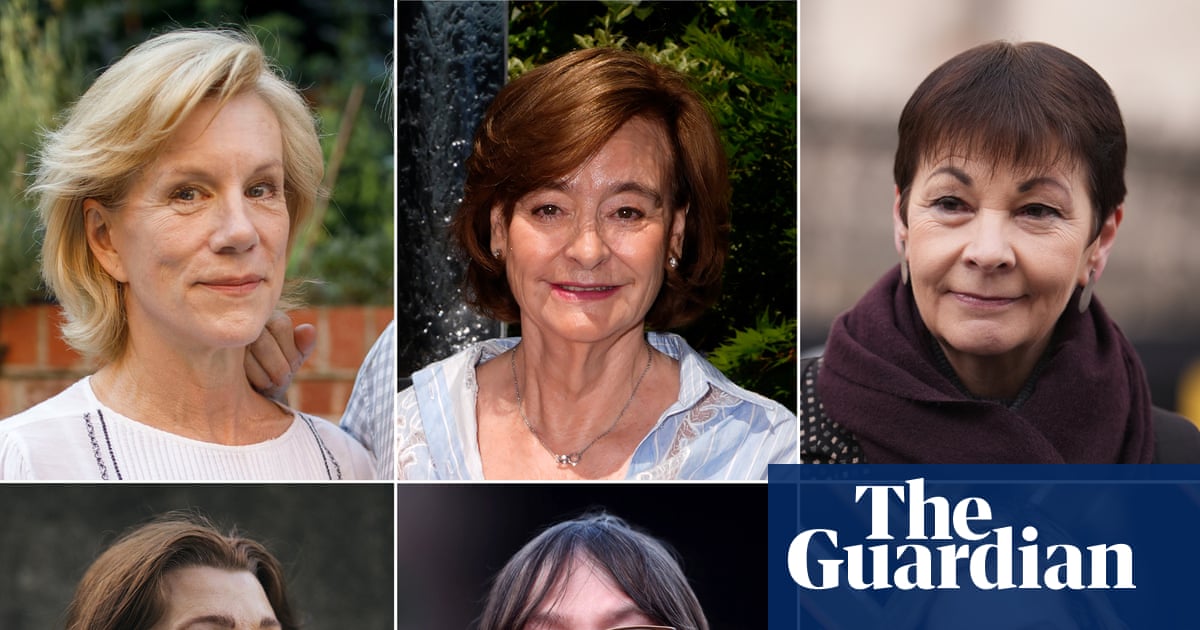
In a powerful letter addressed to the UK government, over 50 prominent women—including actors, authors, and comedians—have articulated grave concerns regarding the potential creation of a “two-tier” system that could arise if thousands of female asylum seekers continue to be overlooked in efforts to combat violence against women and girls. Among the signatories are notable figures such as Cherie Blair KC, Elif Shafak, and Caroline Lucas.
The letter highlights alarming research from the charity Women For Refugee Women, which indicates that more than 85% of female asylum seekers have experienced rape or torture. This demographic is particularly vulnerable, having often fled from environments rife with violence and faced additional harm during their pursuit of safety.
The Labour Party has made a commitment to reduce rates of violence against women and girls by half over the next decade, with a strategic plan expected to be unveiled in September. However, the advocates warn that achieving this goal will be impossible unless the needs of asylum-seeking women are factored into the government’s approach.
Key Recommendations from the Advocacy Group
- Fast-tracking asylum claims for women from countries with high grant rates, including Afghanistan, Sudan, and Eritrea.
- Improving accommodation conditions for women to ensure safe housing.
- Removing the work ban on asylum-seeking women to reduce their exposure to exploitation and harm.
The advocates stress that violence does not recognize borders and that compassion for survivors should extend to those seeking refuge in the UK. In their letter, they assert that systemic issues within the UK’s asylum process leave many women retraumatized and at continued risk of harm.
Blair emphasized the urgent need for a societal commitment to protect all women and girls from gender-based violence, underlining the necessity for the government to consider the specific needs of asylum seekers. “The UK government needs to consider their needs as they seek to tackle violence against women and girls,” she stated.
Laura Whitmore also expressed her pride in signing the letter, adding, “No woman should be left behind when it comes to protection from violence.”
In response to the letter, a Home Office spokesperson acknowledged the national emergency posed by violence against women and girls but refrained from addressing the specific calls to action regarding asylum-seekers. They reiterated their pledge to halve such violence within a decade and referenced various initiatives aimed at improving protection for women and girls, including the establishment of a national center focused on violence prevention.
As discussions surrounding the strategy to tackle violence against women and girls continue, many advocates are hopeful for a shift in policy that encompasses the protections needed for the most vulnerable, including women seeking asylum.
