


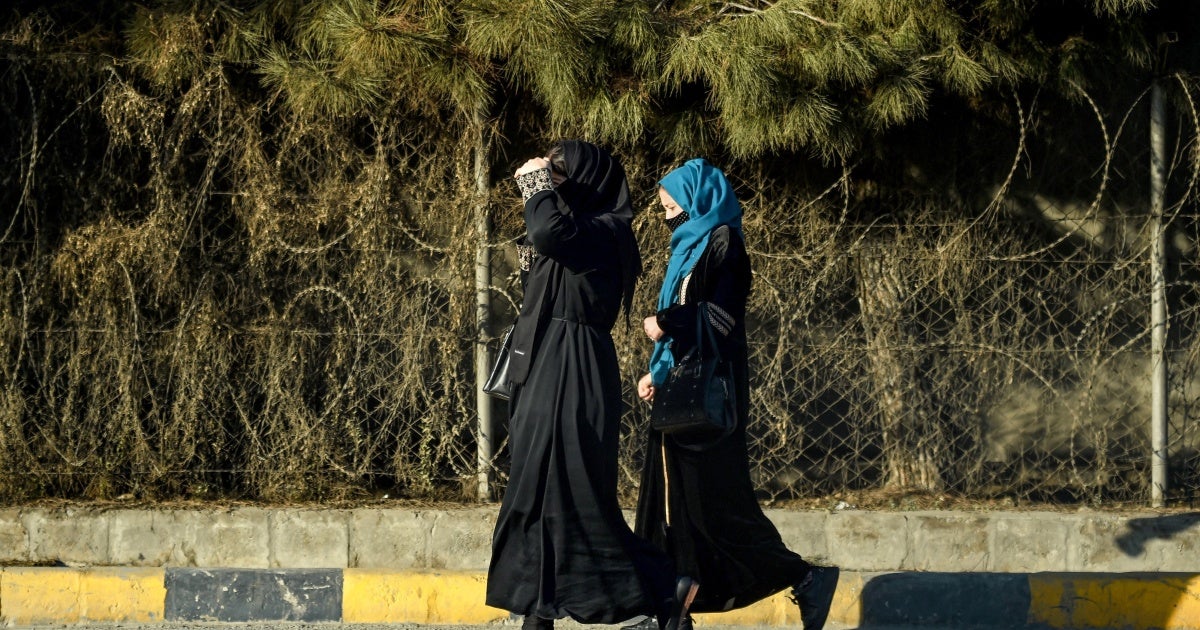
The situation for women and girls in Afghanistan has become increasingly dire since the Taliban intensified enforcement of their dress codes starting July 16 in Kabul. Reports indicate that numerous women and girls have been arrested for allegedly breaching these regulations, which has perpetuated a climate of fear and intimidation, effectively undermining their autonomy.
The catalyst for this crackdown is the Taliban’s “vice and virtue” decree, established in August 2024. This mandate requires women to fully cover their bodies, including their faces, in public spaces at all times. “There is no such thing as bad hijab in Afghanistan at the moment,” stated Sara (a pseudonym for privacy). “But no matter what levels of restrictions the Taliban create, women and girls will still go outdoors and add fashion and color to their hijabs. This seems to be the Taliban’s real problem.”
Sara’s reflections underscore the grim reality of life under Taliban rule, characterized by severe oppression. Yet, her words also resonate with a sense of resilience. Women and girls continue to seek subtle forms of self-expression, demonstrating their agency amidst restrictive circumstances.
By imposing these stringent dress codes, the Taliban aim to reinforce their patriarchal authority, pushing women and girls further out of public life. This systematic oppression has led to what many, including Afghan women’s rights advocates and United Nations experts, refer to as “gender apartheid.” Women face exclusion from essential facets of life, such as employment, education, and freedom of movement. With every attempt to enforce strict regulations, any act of defiance from women prompts an even harsher crackdown by the authorities.
The act of arresting women and girls for purported “bad hijab” signifies not only a physical assault but also a psychological strategy aimed at eradicating women’s autonomy and ensuring compliance. “No matter what tactics or power authorities use, we will still find ways to go out. We can’t be imprisoned at home,” Nahid, Sara’s sister, remarked.
As these abuses against women escalate, the reaction from the international community has frequently been insufficient, often marked by silence or actions that inadvertently normalize these violations. Notably, Russia’s recent recognition of the Taliban as the sole governing authority has raised significant concerns.
The plight of Afghan women should propel every nation that values gender equality and human rights to take action. Supporting their call for the establishment of an international crime of gender apartheid could be a crucial step forward in addressing these grave injustices.
