


Empowering Change: Women Owners Transforming Professional Sports
The past year has marked a significant shift in women’s sports, with increased visibility across media coverage, brand partnerships, and attendance. A critical component of this transformation is the growing number of women stepping into ownership roles across professional sports leagues, such as the WNBA and NWSL. These female owners are reshaping leadership dynamics and enhancing the cultural influence of women athletes.
Women Taking the Helm
From well-known business figures and celebrities to former athletes, women are making substantial investments in sports. Notable examples include:
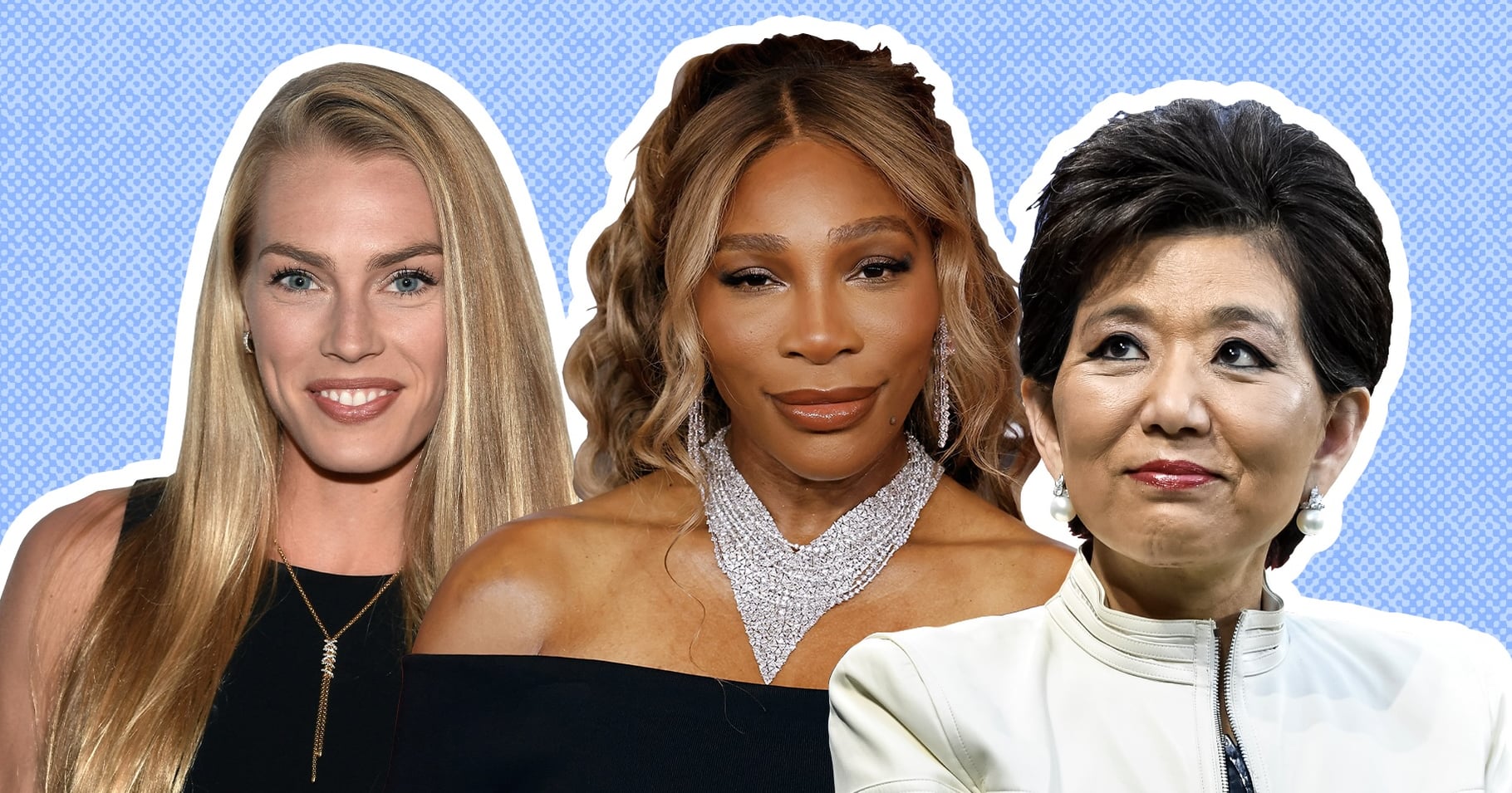
- Serena Williams: Announced her ownership of the WNBA expansion team, the Toronto Tempo.
- Michele Kang: Invested $25 million in women’s soccer, emphasizing the need for superior facilities.
- Colleen Quigley: Launched Meridia, a professional women’s track team.
Kang recently remarked, “By investing in infrastructure that meets — and exceeds — the bar set by top men’s clubs, we are showing the world that women’s sports has earned its rightful place on the world stage.”
Insights from Women Owners
To understand the impact of female ownership in sports, several prominent owners shared their experiences and perspectives:
Lisa Bhathal Merage: NWSL and WNBA Leadership
According to Merage, “For me, it’s more than a role — it’s what I consider my purpose.” She is dedicated to building a strong sports community in Portland, bridging the gap between athletes and fans.
Colleen Quigley: A Time for Growth
Quigley reflected on the current atmosphere, noting, “Now is the time! It feels like the world is our oyster… creating the best community of people who are along with us for the ride.”
Carolyn Tisch Blodgett: Changing Perceptions
Blodgett highlighted a critical shift in investment perspectives, stating, “It wasn’t long ago that people saw investing in women’s soccer as a charity, not a real investment. Now, an investment in women’s sports feels like one of the smartest opportunities available.”
Shaping Leadership through Female Perspectives
Women owners emphasize a unique approach to leadership influenced by their experiences:
Trusting Instincts and Values
Blodgett, who has broken barriers in male-dominated environments, underscored the importance of values in leadership, asserting, “I’ve learned to trust my instincts, even when it’s difficult.”
Inclusive Decision-Making
Merage emphasized that, “Everything we do is filtered through the female lens,” ensuring that athletes’ needs are prioritized in all aspects of team management.
Cultural Impacts of Female Ownership
Women owners are not only focusing on financial growth; they are also redefining the culture surrounding sports.
Creating Positive Environments
Quigley remarked on the atmosphere at women’s sports events, describing it as more inclusive and friendly compared to traditional male sports settings, which often have a more aggressive tone.
Emotional Investment Over Viewership
Blodgett also observed a fundamental shift in engagement strategies, stating, “We’re seeing owners focus less on traditional models of success and more on storytelling, access, and building long-term relationships with fans.”
Conclusion
The presence of women owners in professional sports signifies a pivotal change in both leadership and cultural practices. Their efforts are reshaping the landscape of women’s sports, paving the way not only for increased representation but also for fostering environments where athletes can thrive. The journey continues, but the impact of these trailblazers is clear and promising.
Author: Ralinda Watts, a recognized expert on diversity and leadership.
