


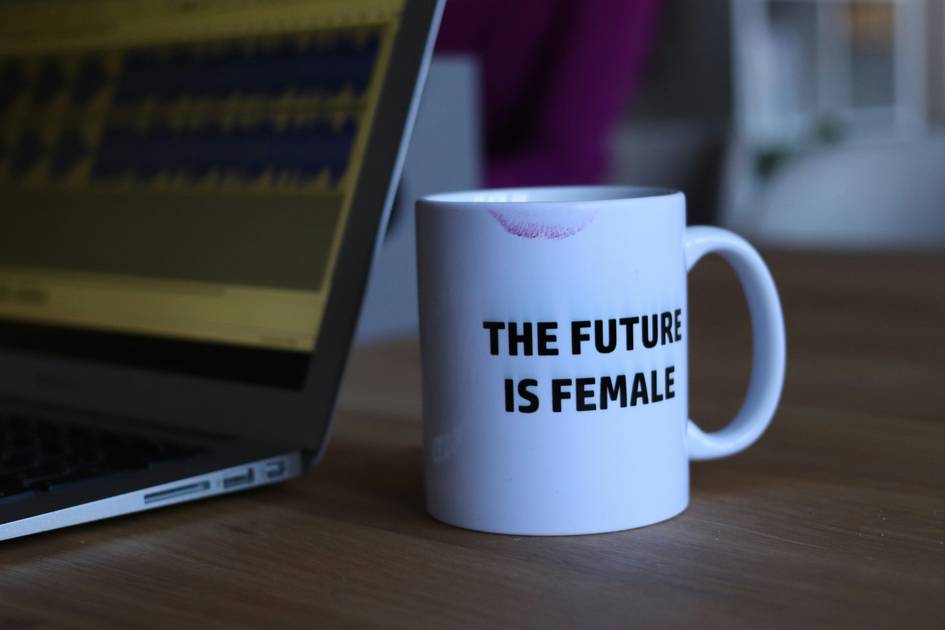
Women in Leadership: A Turning Point for the Fashion Industry
The recent announcement of Berta de Pablos-Barbier as CEO of Pandora, the largest jewelry brand in the world, marks a significant shift in an industry historically resistant to female leadership.
The Landscape of Fashion Leadership
Despite women driving 85% of global fashion purchases and constituting up to 80% of garment workers, they occupy only 14% of leadership roles at major fashion brands, and hold just over 10% of top design positions, according to various reports from the International Labour Organization and Business of Fashion.
A Call for Action
The appointment of de Pablos-Barbier opens up discussions around the industry’s responsibility to not only advocate for women but also to enable them to rise to leadership positions. As long as women are absent from the boardroom, brands risk being perceived as hypocritical for preaching empowerment while maintaining exclusionary practices.
Brand Credibility and Consumer Trust
Brands are increasingly aware that consumer trust hinges on authenticity. A lack of diverse leadership can undermine reputation and ultimately affect business performance. Research from McKinsey emphasizes that companies with diverse leadership teams not only perform better financially, but are also more sustainable and adaptable in turbulent market conditions.
Examples of Forward-Thinking Companies
Some fashion brands are taking proactive steps toward gender equality. For example:
- Ganni: With nearly 90% of its workforce being women, Ganni has integrated gender equality into its corporate ethos and aligned with the UN’s Women’s Empowerment Principles.
- Youngone Corporation: This notable garment manufacturer prioritizes well-being and has developed initiatives to enhance the roles of women within its workforce. Their “Gender Equality and Returns” initiative is focused on increasing female supervisors, having trained over 240 women since 2022.
Industry-Wide Initiatives
Efforts like RISE, a partnership between global apparel companies and nonprofits, aim to include women’s empowerment in foundational business practices. The program seeks to enhance the rights and opportunities of female garment workers, aiming to impact both their workplaces and lives positively.
The Road Ahead
Despite such efforts, many in the industry argue that women need more time “in the pipeline” to assume leadership roles. However, the case of Pandora illustrates that the talent already exists; the real challenge lies in the willingness of brands to implement transparent promotion practices and invest in women leaders actively.
Conclusion: The Imperative for Change
The stakes are significant as the fashion industry has long anchored its identity around themes of empowerment and sustainability. Continual neglect of gender parity at the leadership level may lead to disillusionment among consumers who value authentic commitments over mere marketing strategies. The question remains: Will other brands follow Pandora’s lead, or will they continue down a path of inaction even as the costs mount?
