


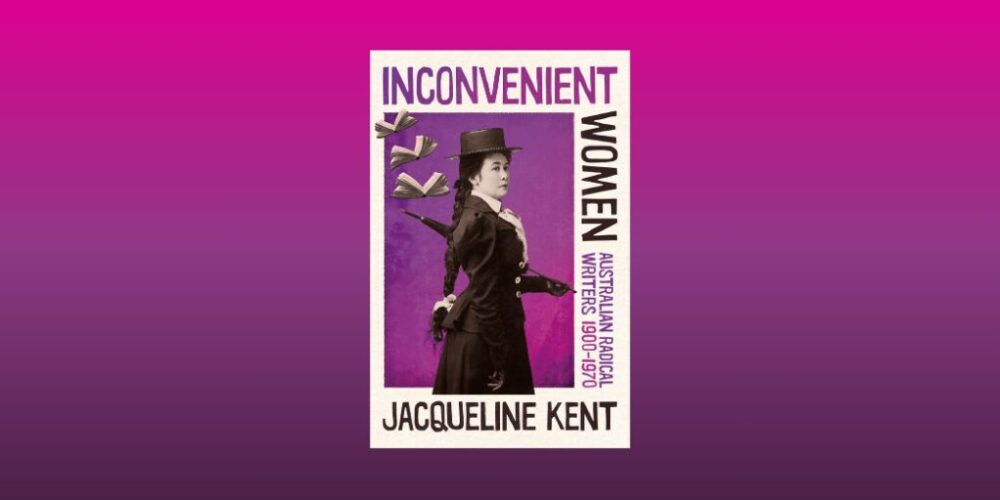
Exploring Radical Women Writers: Jacqueline Kent’s “Inconvenient Women”
Overview of the Book
In her latest biography, Inconvenient Women: Australian Radical Writers 1900 – 1970, esteemed biographer Jacqueline Kent delves into the experiences of notable Australian women writers. Featuring figures such as Mary Gilmore, Katherine Susannah Prichard, Kath Walker, and Dorothy Hewitt, Kent paints a portrait of women whose contributions to literature are often overshadowed by their male contemporaries.
The Women Behind the Words
Kent opens with a thought-provoking question: “What of the generation in between—the daughters of the suffragists, the mothers of these 1970s feminists?” This inquiry serves as a reminder of the complex socio-political landscape these women navigated, which included two World Wars, the Great Depression, and the rise of various political movements.
Focus on Politics Over Literature
While the title suggests a literary exploration, Kent’s work emphasizes the political climate that shaped these writers’ lives rather than providing an in-depth analysis of their works. The book adopts a chronological framework, organizing content around key dates and political ideas, rather than focusing solely on individual biographies.
The Male Perspective
An interesting aspect of the biography is its reliance on male perspectives. Kent begins with a quote by a male figure, and throughout the text, the women are often depicted through the lens of male commentary, described as “difficult,” “hard,” or “bitter.” This raises questions about the historical narratives surrounding these women and highlights the challenges they faced in a patriarchal society.
Choppy Narrative Flow
Readers may find the narrative structure somewhat fragmented, with shifts between historical events and various authors. This can detract from a focused discussion on individual writers and their unique contributions, instead emphasizing historical context.
Insight into Neglected Voices
Inconvenient Women shines a light on left-leaning writers and political activists who, while not widely recognized during their time, played crucial roles in Australian literature. Kent’s research offers valuable insights into their historical presence and ongoing literary relevance, which may prompt readers to explore their works further.
Conclusion
Overall, Jacqueline Kent’s Inconvenient Women provides a rich historical context for understanding the lives of women writers in a transformative era. However, those looking for an analysis focused on the literary contributions themselves may find the book somewhat lacking in that regard. Readers can expect to gain newfound awareness of these underrepresented voices in Australian literature.
Rating
Based on its insightful exploration of a crucial yet overlooked chapter in literature, the book receives a rating of three stars out of five.
