


The Evolution of Women’s Political Representation in Australia
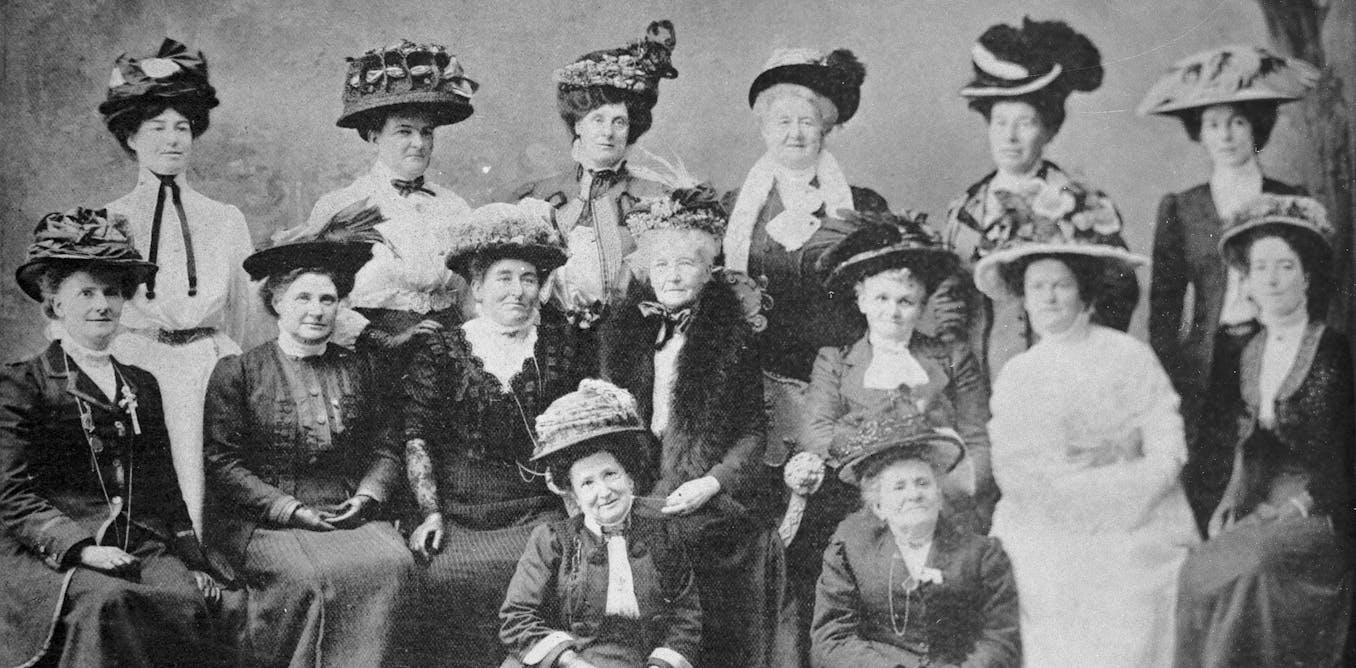
Australia’s 48th parliament marks a significant milestone in history, featuring a record 112 women members, ten of whom are independents. This momentous occasion resonates with the aspirations of early female political pioneers who advocated for independent representation more than a century ago.
Historical Context
The early suffragists, including notable figures like Catherine Spence from Adelaide, Rose Scott from Sydney, and Vida Goldstein from Melbourne, championed the idea that pressing social issues should surpass party politics. Their battles for political recognition were fraught with challenges, and recent close electoral contests in Bradfield and Goldstein serve as reminders of the ongoing obstacles faced by female independent candidates.
Catherine Spence: A Trailblazer
In 1896, Catherine Spence sought preselection with the Labor Party but was declined. Remarkably, it was during this time that South Australian women, including Aboriginal women, became the first in the nation to gain the right to both vote and run for parliament. Spence believed that social justice issues should hold more importance than party loyalty.
State Library of South Australia
Spence’s commitment to proportional representation influenced Australian legislation, as her advocacy for the Hare system of the single transferable vote was eventually realized in the Senate in 1948. Although she did not win her bid in the federal convention to draft the Constitution, she made her mark as the first female political candidate in Australia.
I stood or fell on a question which both parties thought it expedient to ignore […] I look on my position in the poll as very satisfactory.
Vida Goldstein: The First Woman in Federal Politics
In 1903, Vida Goldstein became the first woman to stand for the federal parliament, expressing her determination to challenge the status quo. Despite losing, she regarded her candidacy as a significant protest against media manipulation and the establishment of corrupt political practices.
I stood as a protest against press domination and the creation of the vicious system of machine politics. I had the prejudice of ages to fight, and yet I secured more than half of the votes of the candidate heading the polls.
Collaborative Efforts and Setbacks
Rose Scott emerged as a political influencer in her own right, despite never running for office. Her salons served as hubs for political discourse, uniting influential figures across various sectors. With a strong belief in social equity, she supported her fellow suffragists while advocating for legislative changes, often opposing party politics.
Spence, however, expressed skepticism about Goldstein’s candidacy, suggesting that women might not vote in favor of female candidates.
I am not at all sure that Vida Goldstein is wise in standing for the Senate. Women do not vote as women for women.
The Struggles of Subsequent Candidatures
Like Spence, Goldstein faced numerous challenges, including media skepticism regarding her candidacy and financial difficulties that hampered her campaigns. Despite polling higher in subsequent attempts, the political landscape had become increasingly polarized, complicating her efforts further.

Museums Victoria
Goldstein’s final campaign for the Senate in 1917 illustrated her dedication to independent politics, as she noted:
As a non-party candidate I had difficulties to face that confronted no other candidate. The non-party candidate does not get the support of the party press. And the other special prejudice I have to fight is that of sex.
Legacy of Early Suffragists
While acknowledging these early suffragists’ monumental contribution to women’s rights, their broader social and political impacts often remain overshadowed. As they fought for suffrage, they also campaigned for reform in divorce, child welfare, and equal pay—issues that were seen as vital, even when political representation seemed distant.
Historian Clare Wright encapsulates their legacy, stating, “None of these women could have imagined a Julia Gillard. It would have made their heads spin to think that a woman could be prime minister.” The contemporary Australian parliament—with a significant representation of women in various leadership roles—reflects the fruits of their arduous labor.
