


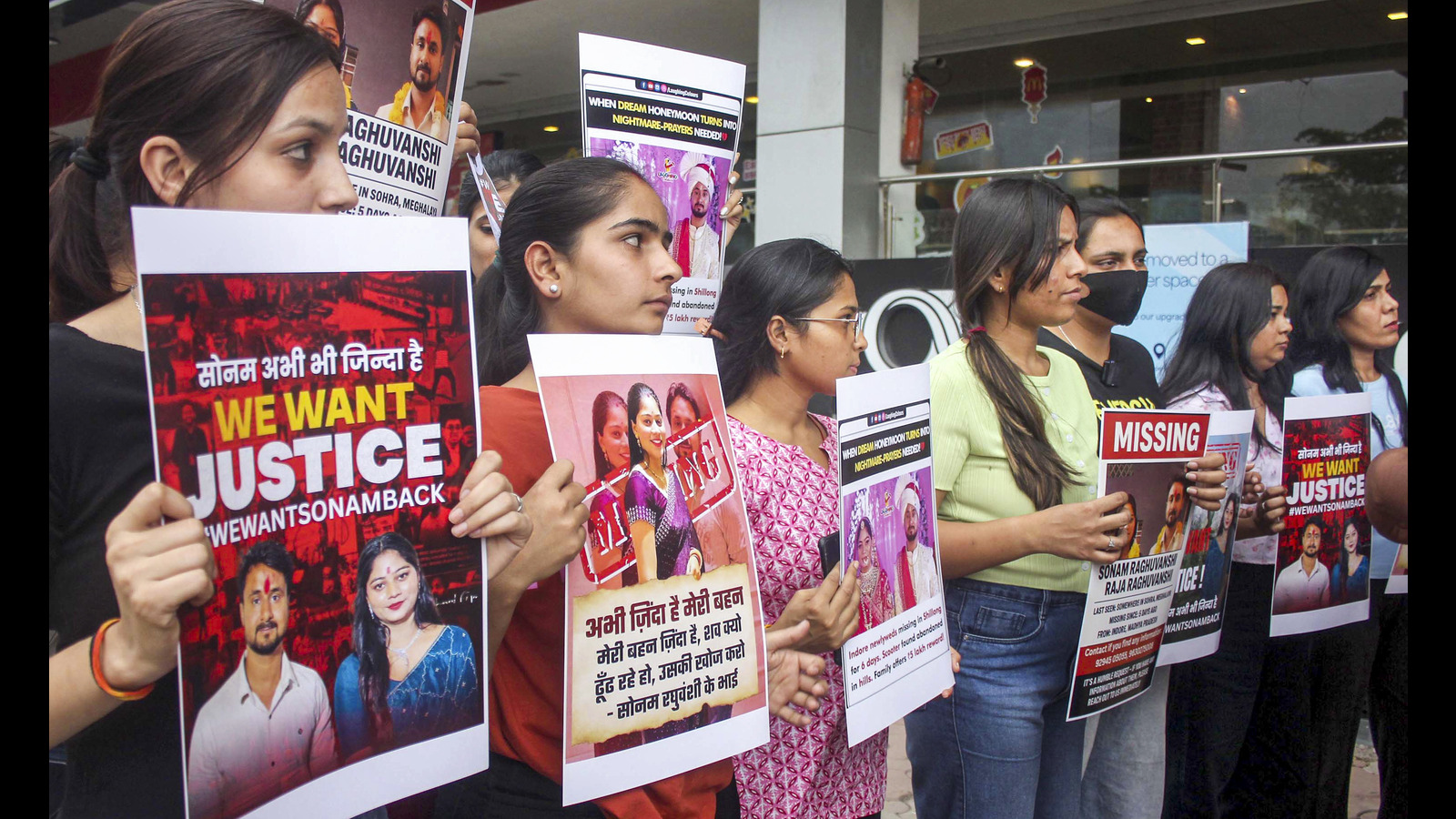
The tragic story of Raja Raghuvanshi, whose body was discovered in Sohra—formerly known as Cherrapunji—has sent shockwaves through Indian society. Married just a few weeks prior, Raja’s sudden death on June 2 has raised questions and ignited discussions across various media platforms.
Raja’s wife, Sonam, has been arrested along with several others, including a man identified as her former boyfriend. Allegations suggest a premeditated plan to end Raja’s life. This incident is not only dramatic but also encapsulates deeper societal issues surrounding marriage and gender dynamics in modern India.
Marriage as a Cultural Cornerstone
In Indian society, marriage plays a pivotal role in personal and familial structure. Despite growing educational opportunities for women, the expectation remains that daughters must marry into suitable families, often adhering to traditional practices like caste endogamy. A 2018 survey revealed that a staggering 93% of Indians opt for arranged marriages, with numbers remaining stable across generations.
Statistics on Arranged Marriages
- 94% of individuals over 80 years old have engaged in arranged marriages.
- 90% of people in their 20s are also likely to marry within this framework.
The Complexity of Personal Choice
The circumstances surrounding Sonam’s marriage illuminate the intricate web of choices women face. Reports indicate that her decision to marry Raja involved familial pressures, including caste differences and a disparity in social standing, as Raja was affiliated with Sonam’s father’s business.
These societal norms often leave women little room to express their desires or reject unwanted marriages. Sonam’s predicament reflects a growing issue where personal autonomy is stifled in favor of traditional expectations.
Understanding the Silent Crises
This incident has not only dominated headlines but has also raised awareness about the broader issues of gender-based violence. Statistics show that hundreds of women are victims of “honor” killings each year. The narrative surrounding Sonam’s alleged crime has sparked debates about the societal roles assigned to women and the repercussions of defiance against those roles.
Media portrayal tends to cast a critical eye on women who stray from societal norms, questioning whether they have overstepped their bounds. This reaction often distracts from the pervasive nature of violence against women, which lacks similar outrage when the genders are reversed.
The Role of Family Dynamics
The aftermath of Raja’s death has seen family members, including Sonam’s brother, publicly denounce her actions, highlighting the desire to maintain control over women in such tumultuous situations. The call for retribution reflects deeply ingrained patriarchal values, further complicating the narrative of guilt and innocence.
As investigations continue, it is crucial to assess the social dynamics that contribute to these tragedies. Understanding these factors is vital in advocating for women’s rights and freedoms in a society that often limits their agency.
Namita Bhandare, who writes extensively on gender issues, emphasizes the importance of recognizing these societal patterns without veering into moral judgement. While individual actions must be addressed, the broader context in which these actions occur cannot be ignored.
