


The journey of self-acceptance, particularly regarding body image and fitness, is one that many women navigate, often influenced by societal standards and personal experiences. For some, this journey begins in childhood, often reinforced by conflicting messages about what it means to be healthy and fit.
At a young age, many girls, through the lens of diet culture, are taught that “smaller is better.” This was certainly a theme in one individual’s experience, who discovered a diet book as a pre-teen filled with progress-tracking tables—a format single-mindedly focused on reducing measurements to the smallest dimensions possible. Despite diligent attempts to follow its guidelines, she found herself only growing larger throughout her teenage years, leading to feelings of disappointment and frustration. This cycle continued into adulthood, where calorie restrictions and intense cardio yielded temporary results but no long-term change.
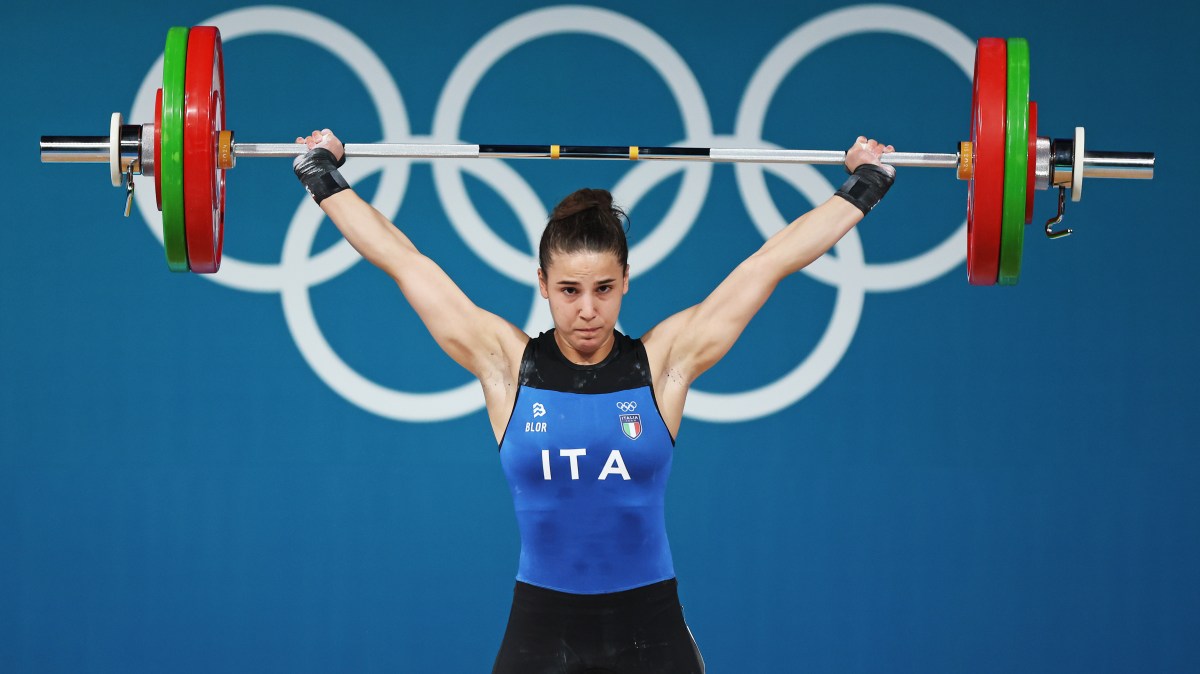
However, a pivotal shift occurred in her late thirties when she embraced strength training. This decision led her to the gym two to three times a week to lift heavy weights, focusing on exercises like squats and deadlifts. Contrary to the teachings of earlier dieting regimes, which may have advocated a decrease in size, the results of strength training manifested as muscle growth rather than a reduction in measurements. The change in perspective from merely trying to shrink towards embracing strength left her feeling empowered and healthier than ever.
This transformation reflects a broader cultural shift, as more women are discovering the benefits of weightlifting. Two books exemplifying this movement are “The Stronger Sex: What Science Tells Us About the Power of the Female Body” by Starre Vartan and “A Physical Education: How I Escaped Diet Culture and Gained the Power of Lifting” by Casey Johnston. Each author approaches the subject from unique backgrounds, contributing to the understanding of how women can redefine strength.
Vartan’s work combines scientific inquiry with interviews from researchers and female athletes, aiming to address the often-ignored aspects of female physicality. She identifies significant gaps in existing research regarding women’s bodies, particularly in athletic performance. However, she points out that despite these gaps, it is crucial to recognize that women are often discouraged from engaging in physical activities that test their strength from a young age, which can impact their development compared to boys.
Popular discussions in Vartan’s book examine how cultural narratives might limit women’s confidence in their physical capabilities. For example, she mentions the debate surrounding the potential influence of the menstrual cycle on athletic performance, concluding that the evidence remains inconclusive but worth exploring. Throughout her exploration, Vartan argues that societal encouragement towards strength training can combat the notion of women being inherently weaker.
In contrast, Johnston’s memoir chronicles her escape from the strictures of diet culture, driven by an epiphany sparked by a single post on social media that challenged her views on fitness. Experiencing a radical shift, she began her strength training journey and ultimately found freedom in lifting weights without the previous burdens of rigorous calorie counting. Her narrative is not just one of physical transformation but also of mental liberation from the societal obsession with being thin. Johnston emphasizes the importance of rest and nutrition in muscle recovery, advocating for a balanced approach to fitness that allows for greater strength without sacrificing wellness.
Both authors represent a growing trend among women who are prioritizing strength over traditional views of femininity, often characterized by size reduction. In a world that is starting to embrace diverse body types, the rise of weightlifting represents a notable cultural phenomenon—one where the strength gained is celebrated just as much as the numbers on the scale might once have been.
The shift towards valuing strength has sparked discussions about fitness equity, particularly in light of the modern-day emphasis on quick fixes, such as weight-loss medications. While resistance training may not offer instant results, many believe that cultivating physical strength enhances overall well-being. Strength training, rather than simple size reduction, emerges as a healthier and more sustainable aim for individuals of all genders, helping to foster a more empowered outlook on body image.
“The Stronger Sex: What Science Tells Us About the Power of the Female Body” by Starre Vartan and “A Physical Education: How I Escaped Diet Culture and Gained the Power of Lifting” by Casey Johnston underscore this transformative period. These works encourage women to discover their strength, to recognize that the pursuit of health and fitness is as much about self-empowerment as it is about size—a narrative that is reshaping how women view both themselves and their capabilities in a fitness-oriented world.
