


Young Conservative Women Redefine Political Landscape
A New Movement Emerges
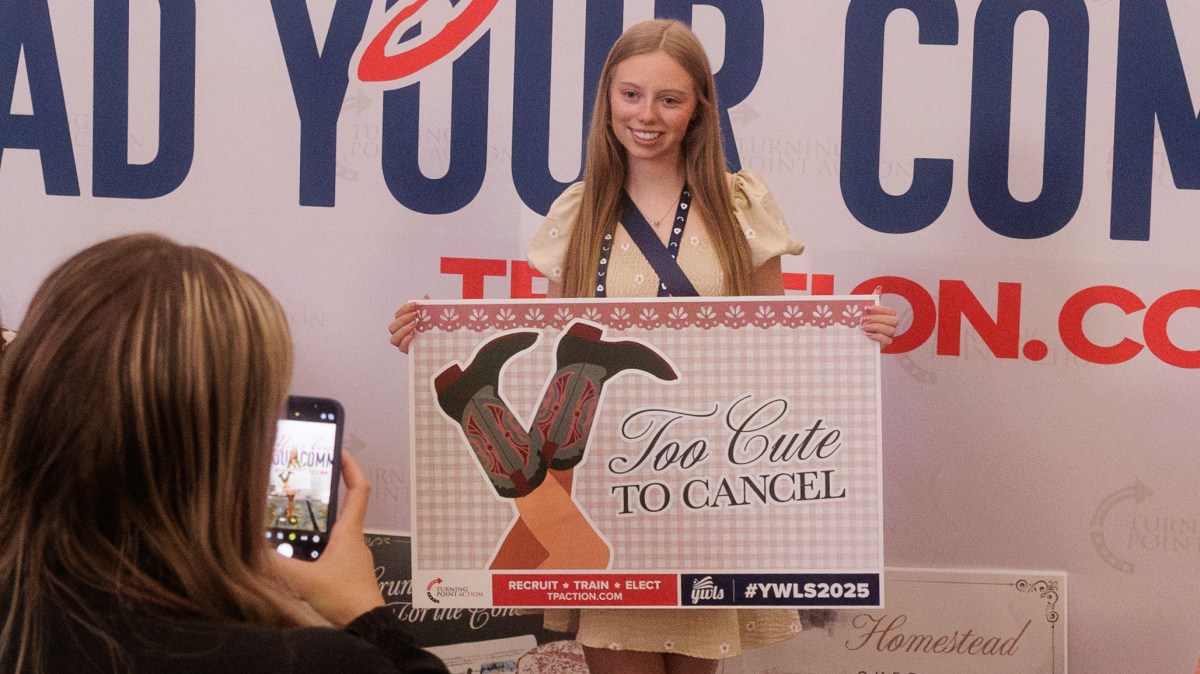
At a recent conference in Dallas, the atmosphere was electric as Alex Clark, a conservative health podcaster, donned a pearls and tweed ensemble, delivered a rallying cry to young American women. “Less Prozac, more protein. Less burnout, more babies. Less feminism, more femininity,” echoed through the hall, met with enthusiastic cheers from the audience.
The Cultural Shift
Clark boldly proclaimed that the left had long dominated popular culture, but with the re-election of President Trump, conservative women are now at the forefront of cultural discussions.
“We are the new mainstream. We are the cool kids now,” she asserted, capturing the attention of hundreds of young women dressed in pastel attire.
Changing Political Dynamics
The annual Young Women’s Leadership Summit, known for its Republican prayer circles and discussions around “God’s design for careers,” was markedly different this year. A significant shift among Generation Z voters has emerged, with many women leaning conservative. Data reveals that during the last election cycle, younger voters exhibited a preference for Republican candidates over their Democratic counterparts.
A recent Yale Youth Poll indicated that voters aged 18 to 21 favored Republicans by nearly 12 points, while those aged 22 to 29 showed a more modest Democrat preference.
Voices from the Summit
At the conference, attendees spoke about their feelings of alienation from the Democratic Party, citing issues that resonate more closely with their daily lives. Vivian Chamberlin, a 19-year-old bank employee who traveled from Alabama, expressed dissatisfaction with the current political direction. “Their values just fell off with the younger generation,” she remarked, highlighting economic concerns over social issues.
Key Issues for Young Voters
Discussions at the summit revealed that practical issues such as housing and job security were taking precedence over reproductive rights among this demographic. Jordan Schwartz, student chairman of the Harvard Public Opinion Project, noted significant findings from focus groups, indicating that economic stability was the primary concern for many young women.
The Institute of Politics at Harvard found that over 40% of Americans under 30 reported feeling like they were “barely getting by,” suggesting a disconnect between young women’s priorities and the traditional Democratic platform.
A Lean Towards Tradition
As young women look for stability amid economic uncertainties, a trend toward traditional values has surfaced. Dana Hohlfeld, 23, noted that many in her generation are seeking family-oriented lifestyles, contrasting their approach with that of millennials who often postpone childbearing.
“We’re really leaning towards a family, Christian, just a strong moral code,” Hohlfeld explained, indicating a desire to distance themselves from what they perceive as the stressors of modern life.
Conclusion: A Generation in Flux
The young women participating in the summit exemplify a changing political landscape. As they face economic challenges and growing up in a polarized political environment, their evolving viewpoints could reshape the future of American politics. Alberto Medina from Circle highlighted that Gen Z tends to be issue-focused rather than party-affiliated, which could mean fluctuating loyalties in future elections.
As Medina succinctly observed, the political trajectory of this generation remains unpredictable, underscoring the importance of addressing their key concerns to maintain their engagement.
