


The Rise of HABs: Reimagining Support in Women’s Sports
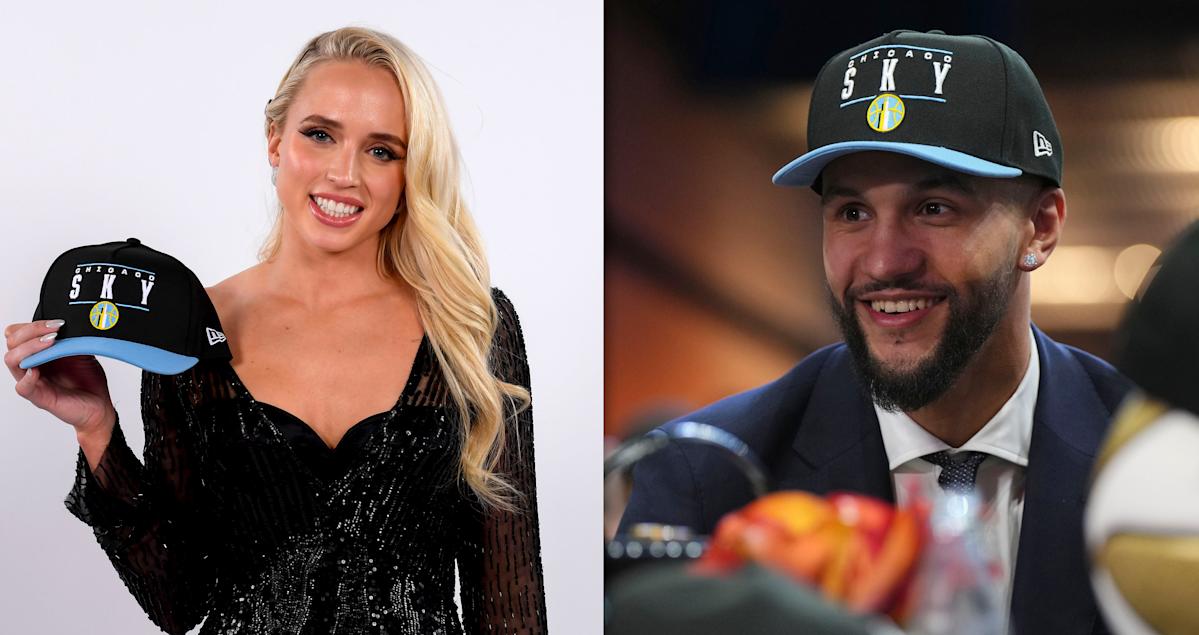
Hailey Van Lith made headlines as the No. 11 pick in the WNBA draft on April 15, officially joining the Chicago Sky. A defining moment in her career, the event was marked by a heartwarming embrace with her boyfriend, Jalen Suggs, a star player for the Orlando Magic. This caught the attention of sports enthusiasts and sparked discussions about the emerging term “HAB,” referring to “husbands and boyfriends” of female athletes.
Understanding the Term: HABs
While “HAB” may not be commonly recognized, its significance has grown alongside the visibility of female athletes. The term serves as a counterpart to “WAG,” which stands for “wives and girlfriends” of male athletes. The conversations surrounding these roles reflect broader societal changes in sports culture, as evidenced by public interest in figures such as Alexis Ohanian, who has consistently supported his wife, Serena Williams, and Andrew East, who has celebrated the achievements of his wife, Olympic gold medalist Shawn Johnson.
The Evolving Landscape of Athletic Support
As the role of female athletes becomes more pronounced, the emergence of HABs signifies a turning tide in sports culture. These men are increasingly stepping into the spotlight, whether it’s Jonathan Owens attending to cheer on Simone Biles or Spencer McManes supporting Gabby Thomas in her gold medal win. Their presence is reshaping how we view partnerships in sports, emphasizing mutual support and recognition.
Why This Recognition is Growing
The increasing acknowledgment of HABs can be attributed to a societal shift that places greater value on women’s sports. Risa Isard, an assistant professor of sport management, notes that social media has played a crucial role in this transformation. Unlike traditional media, which often overlooked women’s sports, platforms like Instagram and Twitter have allowed female athletes to share their stories and achievements directly, fostering a more personal connection with fans.
Social Media’s Impact
The advent of social media has not only amplified the visibility of women athletes but also highlighted their personal lives, sparking interest in their relationships. Athletes like Caitlin Clark have utilized these platforms to celebrate their partnerships, bridging the gap between athletic performance and personal narratives.
Implications for Future Recognition
The rise of HABs represents a crucial step toward a more inclusive sports culture that values female athletes for their accomplishments rather than merely as extensions of their male counterparts. This transition underscores the need to re-evaluate how media portrays relationships in sports, ensuring that coverage reflects the efforts and achievements of female athletes without overshadowing their contributions.
Still Room for Improvement
While this shift is commendable, challenges remain. Male partners of female athletes often encounter similar perceptions that female athletes have faced historically. The narrative needs to evolve so that these male supporters are acknowledged as individuals rather than just as adjuncts to their famous partners.
The Future of HABs in Sports
Looking forward, the emergence of HABs may continue to rise as media outlets expand their focus on female athletes and the dynamics of their relationships. As Madeline Hill from The Sports Gossip Show suggests, more in-depth coverage could shed light on both on-field performance and off-field relationships, enriching the discourse around women in sports.
The ongoing evolution of HABs may ultimately help reshape the representation of gender dynamics in athletics, ensuring that all athletes and their partners receive the recognition they deserve.
