


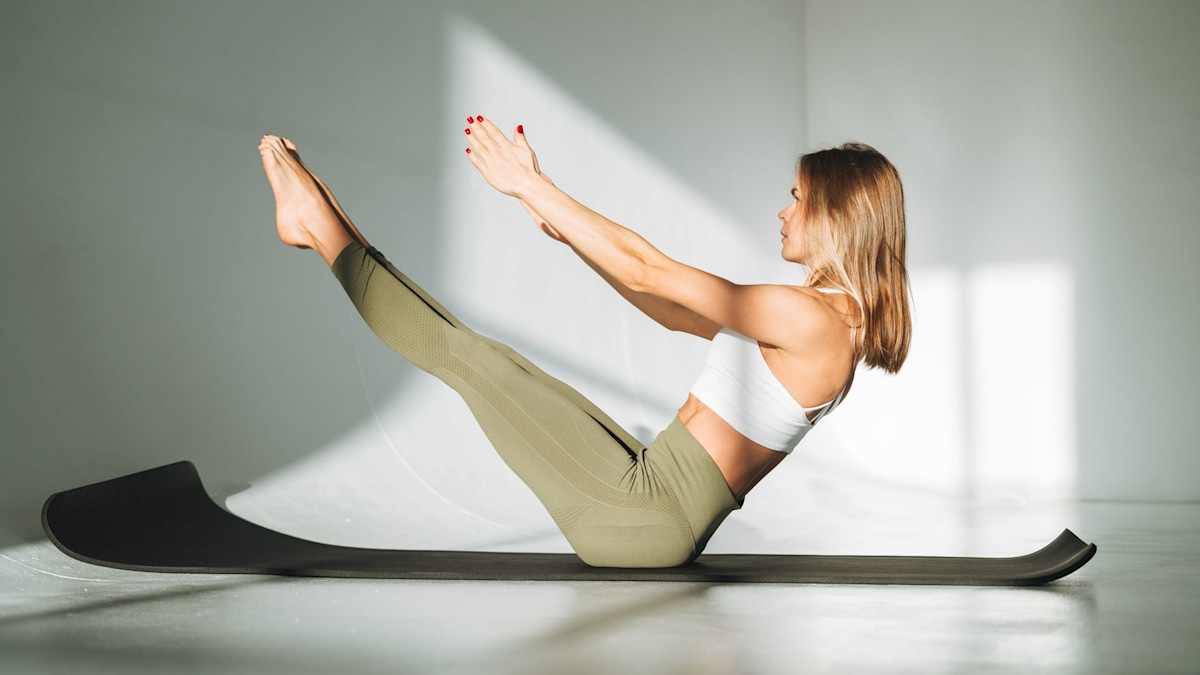
The Shift Toward Strength: Empowering Women Through Fitness
There’s a growing movement among women to prioritize strength over adhering to traditional aesthetic beauty standards. This shift encourages a focus on physical strength and overall well-being, which is especially vital as women age.
Understanding Muscle Definition vs. Toning
The term “toned muscles” often conjures images of visually defined muscles, yet it’s essential to grasp the science behind it. As muscles engage through strength exercises, they contract and create movement, which in turn leads to muscle fiber damage. This damage triggers a repair process, resulting in muscle growth, known as hypertrophy.
Fitness professional Kate Rowe-Ham, founder of Own Your Menopause, emphasizes the misconception surrounding “toning.” “The term toning is one of the most damaging myths in fitness, especially in the context of women’s health,” she states. Instead of merely focusing on aesthetics, she advises prioritizing strength for functional health, longevity, and self-confidence.
Beginner-Friendly Strength Training Techniques
For those new to strength training, the idea can seem intimidating. However, it’s not necessary to lift heavy weights right away. It’s crucial to begin with safe techniques that build a solid foundation.
Core Exercises for Strength
Here are some exercises that can help you start your journey:
- Bodyweight Exercises: Push-ups and squats are excellent starting points.
- Dumbbells: Light weights can be added to basic moves like lunges to provide resistance.
- Resistance Bands: These are an affordable and effective way to enhance muscle workouts.
- Barre Classes: Incorporate elements from ballet for flexibility and strength.
Effective Forms of Strength Training
1. Strength Training Basics
Strength training involves exercises that utilize resistance to improve muscle strength and endurance. Beginners should focus on proper form and start with lighter weights, according to James Stirling, a qualified personal trainer. He recommends mastering bodyweight exercises before moving on to weighted variations.
2. Barre Workouts
Rooted in ballet, barre workouts focus on bodyweight exercises that enhance strength, flexibility, and balance while maintaining an emphasis on control. These classes cater to all fitness levels.
3. Resistance Bands
Resistance bands provide a convenient way to add intensity to workouts. They’re particularly beneficial for those recovering from injuries, offering a low-impact alternative while still challenging the muscles.
4. HIIT and Circuit Training
High-Intensity Interval Training (HIIT) combines strength exercises with cardio for maximum calorie burn and muscle engagement. Classic moves like burpees can elevate the heart rate quickly while building strength.
5. Swimming and Aqua Workouts
Low-impact exercises such as swimming are excellent for improving cardiovascular health while toning muscles. These workouts are gentle on the joints and can effectively complement strength training routines.
6. Walking with Weights
Walking is a deceptively powerful exercise. Adding weights or walking on an incline not only enhances cardiovascular health but also activates major leg muscles, contributing to overall fitness.
The Importance of Diet and Recovery
Recovery is crucial for muscle growth and repair, as emphasized by James Stirling. The body develops muscles primarily during rest periods. Additionally, a nutritious diet supports this process; Kate Rowe-Ham reminds us, “You can’t out-train a poor diet.” Consuming ample protein post-workout is essential for muscle recovery and growth.
Conclusion
This cultural shift from a “skinny” ideal to a focus on strength and wellness marks a significant evolution in women’s fitness. By embracing strength training, women not only enhance their physical capabilities but also cultivate confidence and longevity in their overall health journey.
