


Systemic Violence Against Women and Children in Africa Highlighted at UN Council
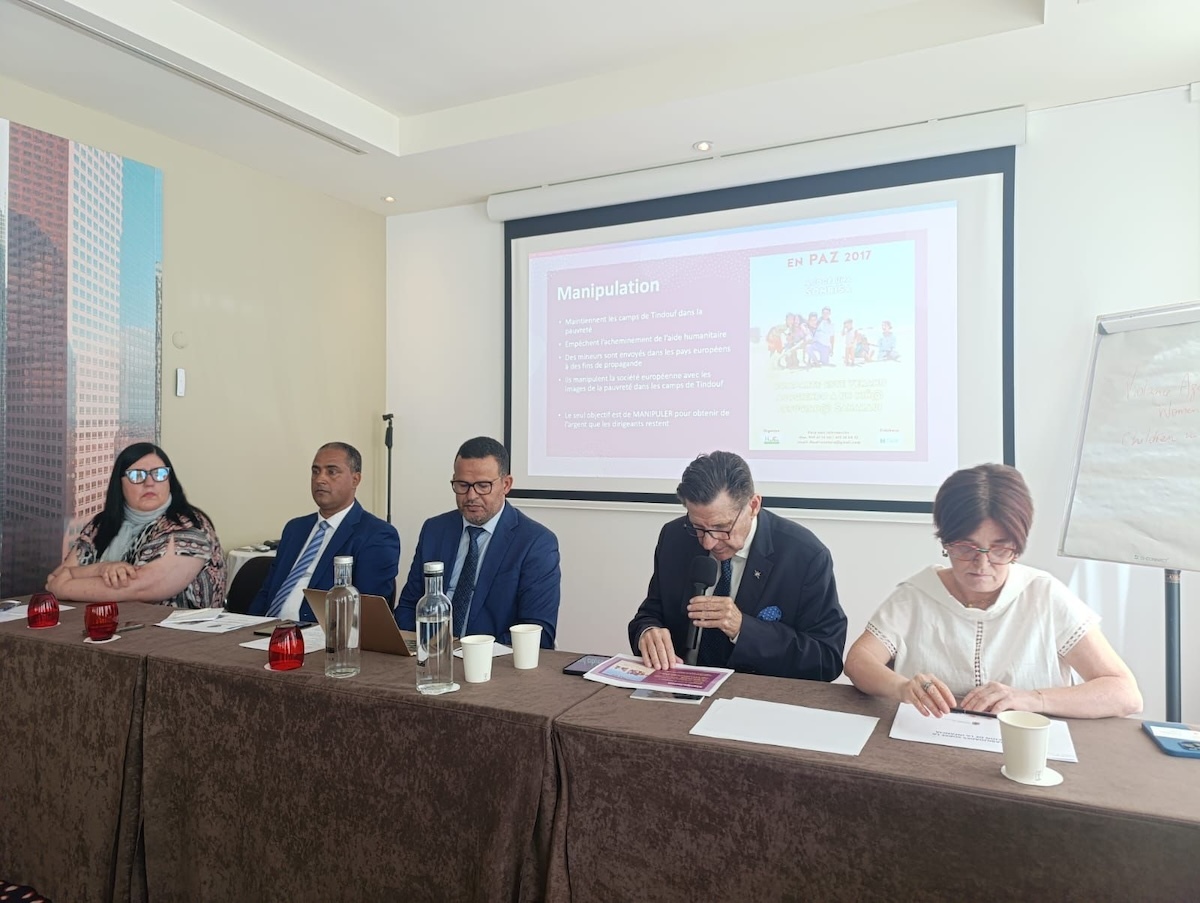
During the 59th session of the United Nations Human Rights Council in Geneva, a significant side event shed light on the systemic violence faced by women, girls, and children across Africa, with a specific focus on those in the Tindouf camps in Algeria. The event was jointly organized by Africa Watch, the Altamirano Foundation, and the OIDUR Observatory.
Addressing the Crisis
Moderated by Abdelouahab Gain, President of Africa Watch, the panel discussed the myriad of violations occurring in various conflict zones in Africa, emphasizing the human rights infringements in the Sahrawi camps. Sara Baresi, the Director of OIDUR from Italy, commenced the discourse by examining the underlying causes of violence against women and children on the continent, including armed conflict, poverty, and ethnic discrimination.
Baresi specifically condemned the practices of early and forced marriages within the Tindouf camps, labeling them as mechanisms of ideological oppression designed to maintain control over the populace and perpetuate Polisario propaganda.
A Heartbreaking Case
Human rights activist Shaibata Mrabih Rabou brought attention to the distressing situation of a young girl named Ennouha, who was barred from reuniting with her ailing mother in France due to the arbitrary actions of camp military leaders. He emphasized that this separation exemplifies a broader strategy of political control through family division, calling for international action to facilitate their reunion in line with international law.
The Plight of Children
Pedro Ignacio Altamirano, President of the Altamirano Foundation (Spain), highlighted the pervasive trauma experienced by children living in the Tindouf camps, describing an environment rife with terror where children and women are often exploited or used as human shields. He accused the armed group controlling the camp of spreading misinformation and cowardice that jeopardizes the future of these vulnerable communities.
Judit Segarra, a psychologist from the Altamirano Foundation, pointed out the crucial role that families and states play in safeguarding children’s rights. She contrasted the dire conditions in the Tindouf camps, where children’s rights to education and a secure future are severely compromised, against Morocco’s ongoing efforts to ensure equitable access to education, health care, and social security.
Call to Action
The event concluded with a unanimous call from both organizers and speakers urging the United Nations and its member states to:
- Hold accountable those responsible for human rights violations in the Tindouf camps.
- Support independent Sahrawi NGOs working for human rights.
- Acknowledge and assist Morocco’s initiatives for human development and respect for fundamental rights.
The overarching message emphasized that the struggles of women and children should not be co-opted for political gain and that any violations of human rights for separatist agendas must be firmly condemned.
Focus on Migrant Rights
In another session of the Human Rights Council, Algeria faced renewed criticisms related to its treatment of migrants. Ms. Berfin Hayran, representing the Network for Training, Research, and Action on African Migration (REFORMAF), condemned Algeria’s practices of mass expulsions, particularly affecting women and children. Reports indicated that since 2024, numerous migrants have been left abandoned in the Sahara desert without access to essential resources, a situation described as systematic violations of international law.
REFORMAF also highlighted the alarming rates of migrant disappearances and the exploitation of individuals by human trafficking networks in regions such as Libya. This prompted a call for:
- Enhanced regional cooperation to protect migrants effectively.
- Better mechanisms for identifying and searching for missing migrants.
- Prioritization of the protection of vulnerable groups, including women and children.
This intervention underscores Algeria’s accountability in the troubling trajectory of current migration policies, revealing a stark contrast between the country’s official narrative of solidarity and the reality of abandonment faced by migrants.
