


Women Veterans Respond to Hegseth’s Military Fitness Standards
Recent remarks made by Defense Secretary Pete Hegseth regarding military fitness standards have sparked strong criticism from women veterans and lawmakers. During a gathering in Virginia with senior military leaders, Hegseth proposed that combat roles revert to the highest male standards—potentially disqualifying women from certain positions.
Hegseth’s Position on Standards
In his address, Hegseth emphasized that the military needs to maintain rigorous standards for combat readiness, stating, “if that means no women qualify for some combat jobs, so be it.” He expressed a desire for forces that are fit for duty, saying, “I don’t want my son serving alongside troops who are out of shape.” His comments have reignited discussions about the role and fitness of women in the military.
Veterans Speak Out
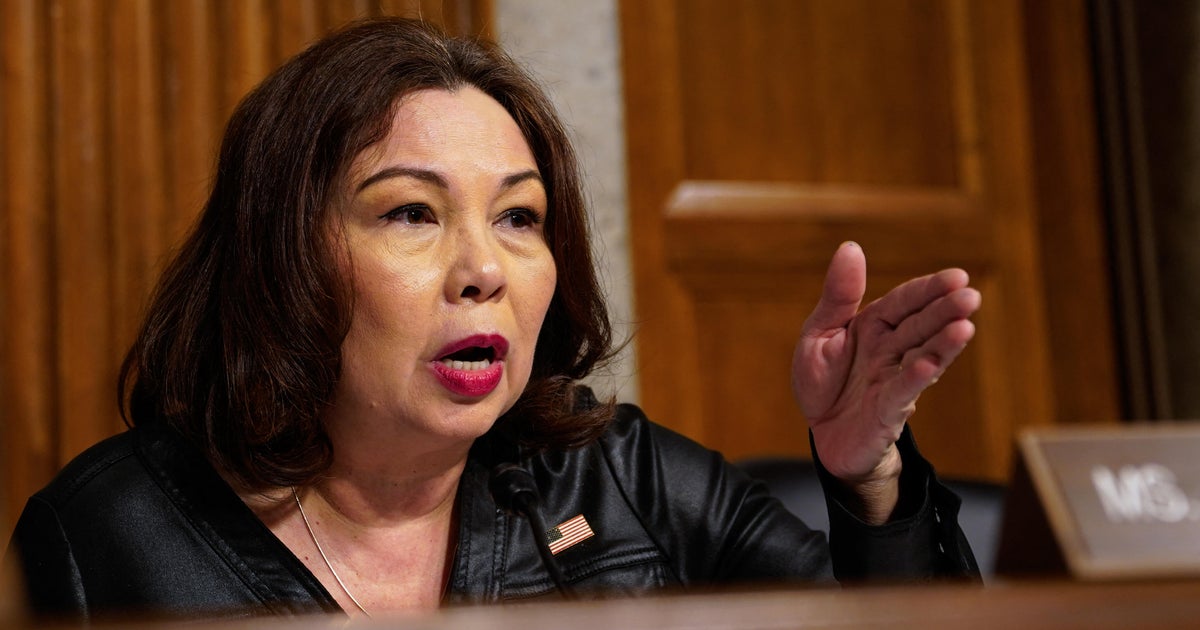
U.S. Senator Tammy Duckworth, a combat veteran who lost both legs in Iraq, criticized Hegseth’s experience and asserted that his comments widen the gap of inclusion in the military. “It’s the exact message that he wants to send, which is you’re not welcome here,” she said. Duckworth underscored the importance of diversity, pointing to historical examples where varied language skills were crucial, as in World War II.
Elisa Cardnell, president of the Service Women’s Action Network, also pushed back against Hegseth’s assertions, clarifying that women in combat roles do not have lowered standards. “The requirements for serving in the infantry, for example, are the same for men and women,” she noted.
Concerns About Stereotypes
Capt. Lory Manning, a 25-year Navy veteran, remarked on the persistent skepticism surrounding women’s capabilities in the military. She stated that during her service, women had to demonstrate their capabilities before achieving combat roles. Manning argued that Hegseth conflates physical standards with the specific requirements of military roles, suggesting a misunderstanding of existing policies.
Amy McGrath, a retired Marine Corps lieutenant colonel and a pioneer in her field, pointed out that Hegseth’s framing misrepresents the historical context of military standards. “When women entered combat roles, one standard was set, and we’ve been meeting it ever since,” she emphasized.
Support from Female Republicans
While many women veterans criticized Hegseth, some Republican women expressed support for his initiatives. Iowa Senator Joni Ernst, an Iraq War veteran, defended his comments, insisting that the same standards should apply across the board. “There should be the same set of standards for combat arms,” she stated, further noting that women already face these standards in rigorous training such as Ranger School.
Similarly, Representative Nancy Mace expressed agreement with Hegseth’s approach, particularly regarding the dismissal of diversity, equity, and inclusion efforts in military contexts. “Our military is a fighting force that must return to mission-first readiness,” she articulated.
Conclusion
Hegseth’s remarks and the ensuing debate highlight the ongoing discussions of gender standards and inclusion in the U.S. military. While the desire for competence and readiness is a common goal, the disagreement on how to achieve it reflects deeper tensions about gender roles, military standards, and inclusivity. As the military considers its future policies, the necessity of addressing these concerns remains critical.
