


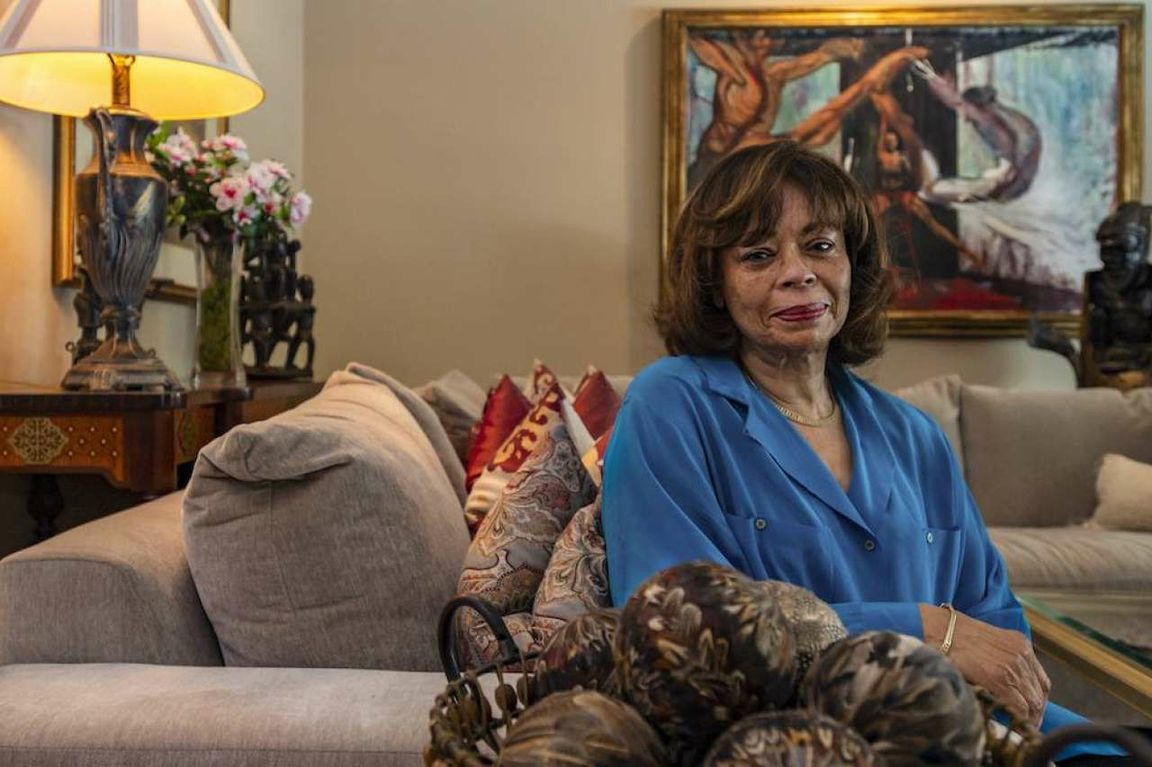
Dr. Gail Wyatt, a respected authority in psychiatry and biobehavioral sciences at UCLA’s David Geffen School of Medicine, has been honored with the prestigious Humanitarian Award from the Association of Black Women Physicians for 2025.
This recognition highlights Dr. Wyatt’s exceptional efforts in combatting health disparities affecting women, along with her significant work in trauma and domestic violence prevention. The association commended her as a transformative scholar, mentor, and humanitarian.
Dr. Anastasia Williams, the president-elect of the association, stated, “Dr. Wyatt’s work has transformed the way we understand the impact of domestic violence and trauma. Her groundbreaking research, mentorship, and advocacy have created an enduring legacy of healing and empowerment.”
Notable Achievements
Several of Dr. Wyatt’s impressive achievements were noted by the association, including:
- Becoming the first African American psychologist licensed in California.
- Pioneering the Dena Bat Yaacov Endowed Chair in psychiatry at UCLA Health.
- Establishing the Center for Culture, Trauma, and Mental Health Disparities and Sexual Health Programs at UCLA.
- Securing ongoing NIH funding since 1980.
- Creating innovative interventions for HIV-positive women and African American couples.
- Testifying before the U.S. Congress on women’s health and policy issues, including hearings for the Violence Against Women Act.
- Authoring six books and over 300 peer-reviewed articles.
Acknowledgment and Acceptance
Dr. Wyatt accepted the award during the association’s annual charity and scholarship luncheon held on October 26 in Los Angeles. In her acceptance speech, she emphasized the importance of community, stating, “I am because we are and because we are, I am.” This statement reflects her belief in self-identity and purpose, which requires compassion as integral components for personal development. She warned that without a collective identity, individuals risk becoming self-centered and indifferent to the suffering of others.
Dr. Wyatt concluded her remarks with a call to action: “We can do better.”
