


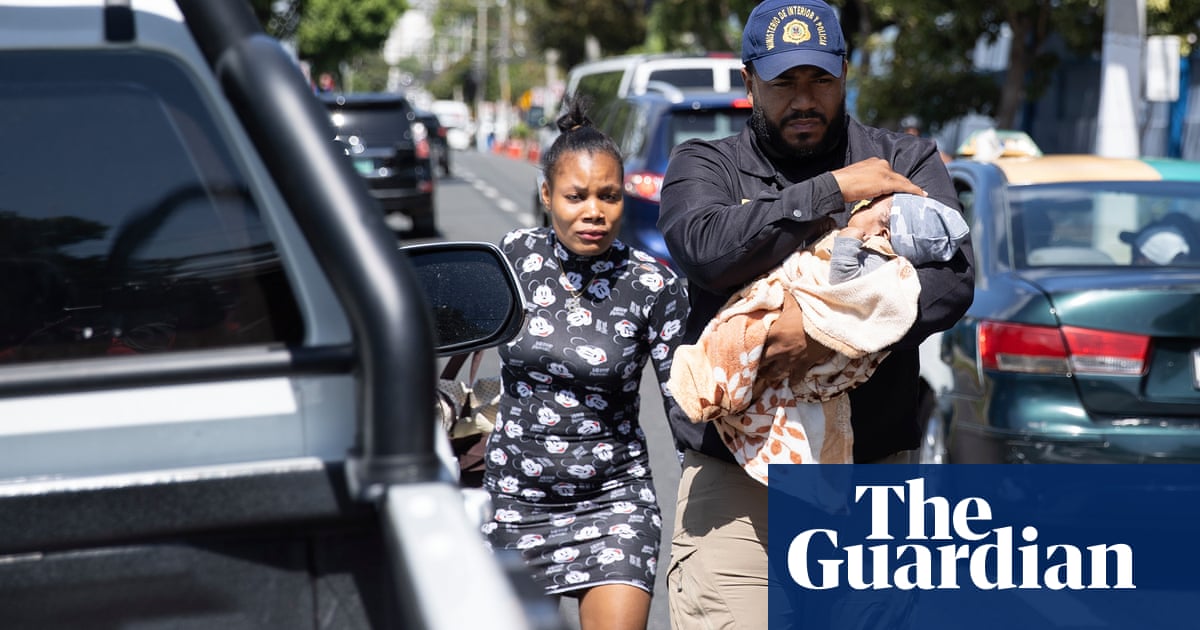
Recent actions by the Dominican government have raised significant concerns regarding the treatment of Haitian migrants, particularly pregnant women and new mothers. As part of a new crackdown on undocumented migration, over 130 individuals—predominantly women and children—were removed from public hospitals and deported back to Haiti.
On the initial day of this operation, officials reported that among the deported were 48 pregnant women, 39 new mothers, and 48 children. Alarmingly, some reports indicate that at least one woman was deported while in labor, highlighting the urgent health risks involved.
The influx of pregnant women crossing into the Dominican Republic is largely attributed to the deteriorating healthcare situation in Haiti, where the healthcare system has faced near-total collapse. Many are seeking better medical facilities for childbirth. In an effort to manage the surge of undocumented migrants, President Luis Abinader’s administration has introduced stringent policies, including a target to deport 10,000 Haitian migrants weekly.
Guillermo Rodríguez, a rights advocate with Amnesty International, voiced strong criticism of these policies, stating, “We’re shocked by the government determination to fuel policies which are openly cruel, racist, and misogynist.” He emphasized that the justification of these deportations harms both the individuals affected and the integrity of the Dominican Republic as a nation.
Rodríguez described the targeting of hospitals as “outrageous,” arguing that it forces women to choose between returning to Haiti or risking serious pregnancy complications that could lead to maternal or neonatal mortality. He highlighted that these policies constitute a disturbing trend of gender-based violence against vulnerable populations.
In response to international concerns, Dominican authorities claimed that women and children who were deported had been evaluated by medical staff beforehand and deemed free of health risks. They asserted that the process adhered to legal guidelines.
UN Special Rapporteur on Violence Against Women, Reem Alsalem, has condemned this treatment of Haitian migrants, calling it a significant concern. She highlighted that sending individuals back to Haiti—a country facing severe humanitarian issues—contradicts international obligations. Humanitarian crises there include rampant gang violence, outbreaks of cholera, and a significant rise in gender-based violence.
Reports suggest that the Dominican government’s actions have intensified over recent years, with deportations of pregnant women becoming more common. Additionally, many women live in fear of attending healthcare appointments, which can endanger their health and that of their children. Community spokesperson Roudy Joseph characterized the government’s actions as a reinforcement of an apartheid-like regime that requires the denunciation of the international community.
Activist Liliana Dolis of the Dominican-Haitian Women’s Movement also criticized the deportations, calling them “inhumane” and indicative of an environment where women fear seeking necessary medical care. “It is an anti-women, anti-feminist attitude,” she noted, highlighting the broader implications of these policies on women’s health and safety.
As the crackdown continues, it becomes increasingly critical for the international community to monitor the situation and respond to the ongoing humanitarian crisis affecting Haitian migrants in the Dominican Republic.
