


The Key to Longevity: A Weekly Workout Routine for Women
In the quest for a longer, healthier life, exercise plays an indispensable role. Research indicates that engaging in regular physical activity may be as crucial for longevity as maintaining a balanced diet or avoiding harmful substances like tobacco and excessive alcohol. Dr. Vonda Wright, an expert in longevity and women’s health, underscores this, illustrating through her research that age does not have to equate to decline—if one understands the dynamics of movement. In a discussion on The Mel Robbins podcast, she outlined an effective weekly workout strategy every woman can adopt to promote vitality and longevity.
Dr. Vonda Wright’s Recommended Weekly Routine
Walking: A Foundation for Fitness
Dr. Wright advocates for a minimum of four 45-minute walking sessions each week, totaling at least three hours of brisk walking. This practice not only enhances cardiovascular fitness but also serves as a practical way to incorporate movement into daily life.
When comfortable, women are encouraged to increase their intensity through speed walking, jogging, or running. Aiming for a heart rate of about 186 beats per minute for 30 seconds, followed by a recovery period bringing it down to 130-140 bpm, can further elevate cardiovascular health. Dr. Wright suggests completing four sets of this pattern.
Weight Training: Building Strength
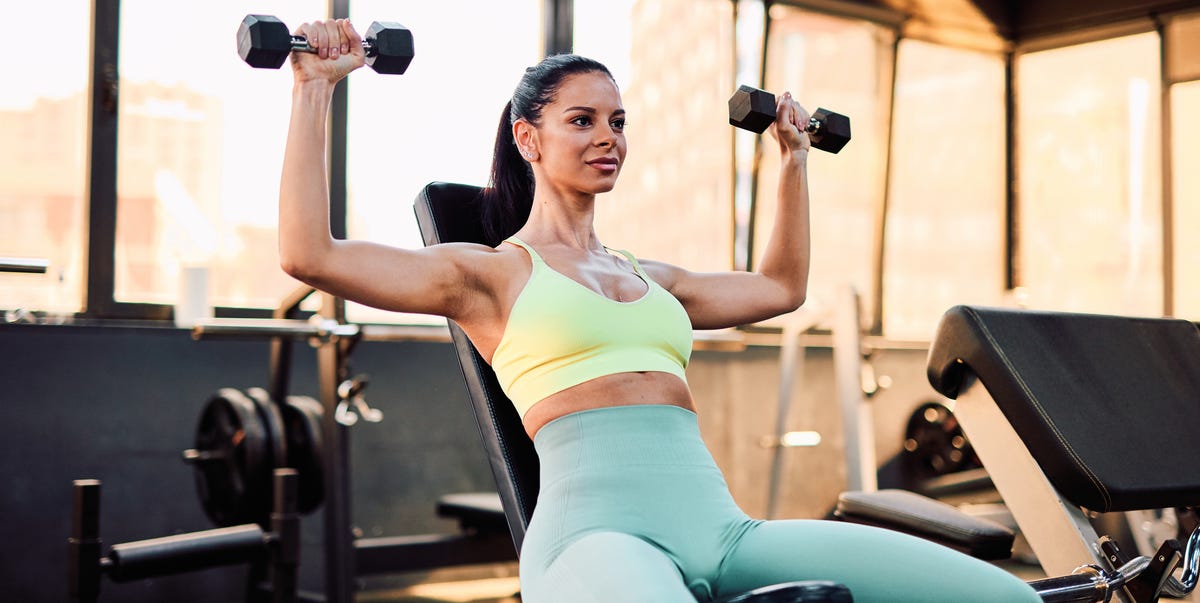
A vital component of this routine is heavy weightlifting. Dr. Wright recommends that women engage in weight training at least twice a week, focusing on lifting weights that can only be managed for four to six repetitions. This intensity promotes muscle fatigue, which is essential for strength development.
For beginners, mastering body weight exercises is the first step. Dr. Wright emphasizes that every woman should strive to perform a minimum of 11 standard push-ups. Progressing from bodyweight to heavier lifting can take time; however, women in their 60s and beyond have successfully adopted this approach, proving that it’s never too late to start.
Incorporating Balance Training
Dr. Wright also highlights the importance of balance exercises, suggesting they be practiced daily—such as during the simple act of brushing one’s teeth. This ongoing investment in balance aids in overall stability and coordination, which are critical for maintaining independence as one ages.
Conclusion
Engaging in regular walking, strength training, and balance exercises can dramatically improve the quality and longevity of life for women. Dr. Vonda Wright’s insights provide a structured approach that emphasizes the significance of movement at every stage of life, illustrating that age need not limit one’s ability to maintain strength and health.
