


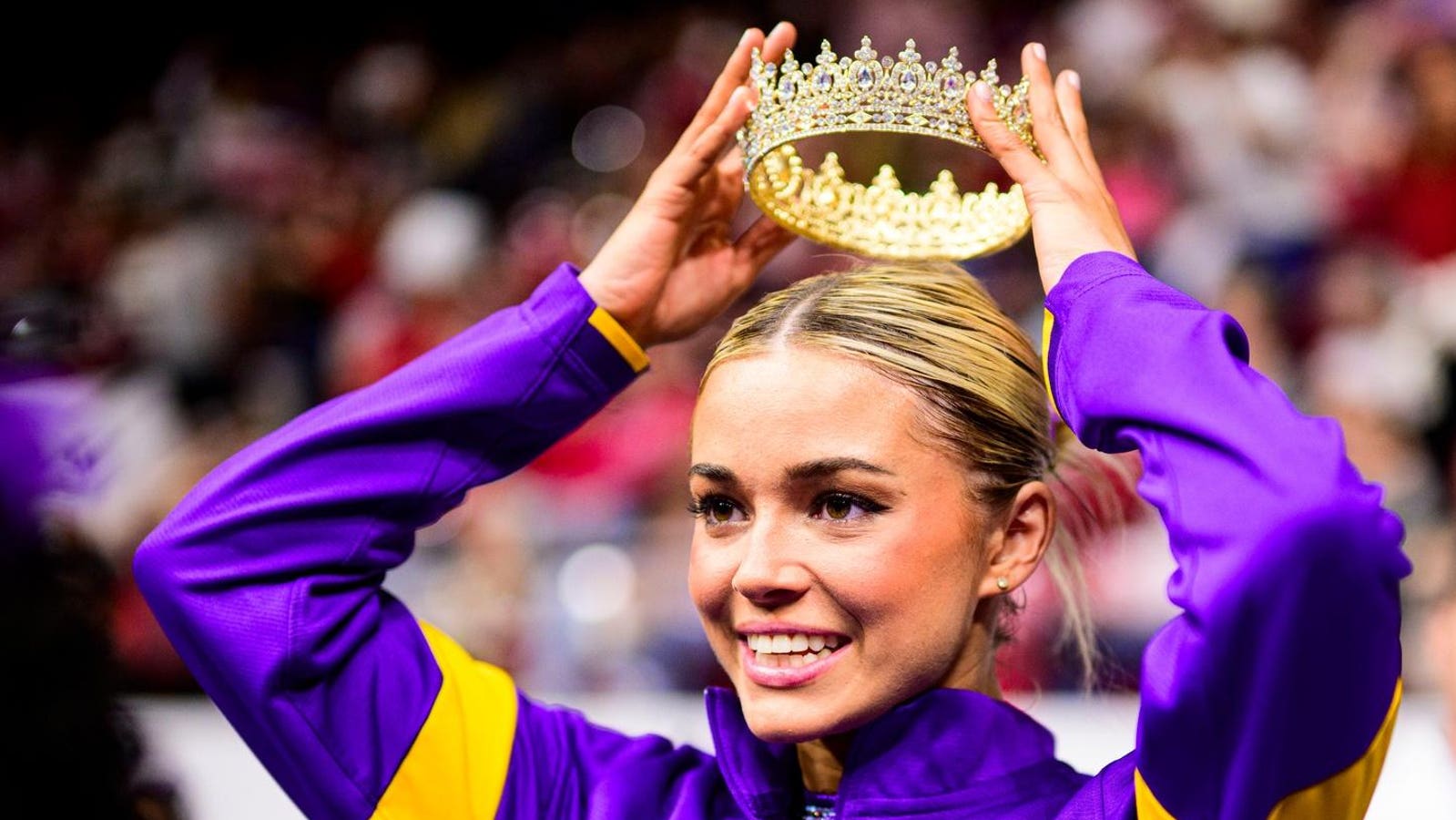
Olivia Dunne: A Paradigm Shift in College Sports Marketing
In the realm of women’s college athletics, Olivia “Livvy” Dunne has become a household name, particularly among social media users. At just 22 years old, this New Jersey native transformed her journey in gymnastics into a lucrative brand, emerging as a frontrunner in the world of Name, Image, and Likeness (NIL) opportunities. Her trajectory from a niche athlete to a marketing icon is a testament to the evolving landscape of collegiate sports.
The Rise of an Icon
Olivia Dunne’s journey began five years ago as a member of the Louisiana State University gymnastics team. Since the introduction of the NIL regulations in 2021, she has consistently ranked at the top of NIL valuations for female athletes in college sports. By her sophomore year, she was already the most-followed athlete in this space, a remarkable feat for someone representing a non-revenue sport.
As of 2023, Dunne ranks second in On3’s NIL Valuation rankings, only preceded by Colorado’s Shedeur Sanders. The current highest-valued female athlete, Flau’jae Johnson from LSU Women’s Basketball, sits at number 53, highlighting Dunne’s unique position in college athletics.
The Ingredients of Success
To explore the factors that led to Dunne’s meteoric rise, I spoke with Dr. Megan Sawey, a lecturer at Cornell University specializing in the intersections of media and identity. According to Sawey, Dunne’s success was heavily influenced by a myriad of circumstances.
Timing played a pivotal role; as an early Gen Z user, Dunne had already established a social media presence when TikTok’s popularity surged during the pandemic. “She was weaving together her gymnastics life, her personal life,” Sawey remarked, noting that Dunne was able to create content that resonated deeply with a captive audience during a time when many were confined to their homes.
The Statista Research Department reported a staggering 180% increase in TikTok usage among 18-25-year-olds during peak pandemic months. With over 3 million followers by her freshman year, Dunne’s online persona was not just a fleeting trend but the foundation of her future NIL deals.
NIL as Brand Reality
Dunne’s innovative approach has prompted a rethinking of how athletes, especially in less popular sports, can leverage their influence for brand partnerships. Institutions and organizations are noticing this shift, leading to increased private investment in youth sports programs aiming to professionalize the landscape.
According to Sawey, aspiring athletes in niche sports are now expected to arrive on campus with an established following, marking a significant departure from traditional sports marketing strategies. She emphasizes that “payment is for the sponsorship fulfillment, not athletic performance,” which highlights the changing dynamics in athlete branding.
Navigating Gender Challenges
Despite her remarkable success, Dunne faces unique obstacles as a female athlete under public scrutiny. Sawey notes how societal perceptions can often diminish the achievements of female athletes, particularly when they also assume influencer roles. For instance, after announcing her return for an additional year of eligibility due to pandemic regulations, Dunne encountered backlash, with critics labeling her “greedy.”
She addressed these criticisms directly, stating, “I only ever see this comment on female athletes’ posts.” Such responses underscore the double standards that often plague female athletes in the public eye.
Safety Concerns Amidst Fame
While visibility can enhance an athlete’s marketability, it also breeds vulnerability. Dunne has faced serious threats, including a death threat that forced her to shift to online classes. Instances of public harassment have also spotlighted the dangers attached to sport and celebrity.
Dunne’s experiences resonate within the broader context of female athletes, echoing the concerns voiced by other prominent figures like Simone Biles and Sunisa Lee regarding harassment. “Visibility breeds vulnerability,” Sawey articulates, emphasizing the urgent need for established support mechanisms for young athletes navigating fame.
The Search for New Talent
As Dunne’s collegiate gymnastics career comes to a close, the question arises: who will follow in her footsteps? With heightened interest in women’s sports, brands are actively scouting for emerging talent, particularly young female athletes that could potentially replicate Dunne’s success.
Brands are increasingly invested in identifying athletes who can serve as “cool messengers” for their products, setting the stage for a competitive landscape as NIL continues to evolve. With companies looking for their next star, the spotlight is shining brightly on a new generation poised to transition talent into influence.
In conclusion, while Olivia Dunne has set a precedent within college athletics, the evolving nature of NIL presents fertile ground for the emergence of new athletic influencers. The formula of talent, timing, and digital engagement will continue to shape the narrative of collegiate sports marketing for years to come.
