


The Evolution of Dietary Guidelines: Moving Beyond 5-a-Day
Initially introduced in the late 1980s in the United States and later adopted in the UK, the ‘5-a-day’ slogan encouraged individuals to consume five portions of fruits and vegetables daily. This guideline was rooted in the belief that a daily intake of 400 grams could significantly lower the risk of various health issues, including cancer and heart disease. However, modern research now emphasizes a different approach to nutrition: promoting plant diversity over mere quantity.
Assessing the Need for 5-a-Day
Research indicates that the number of plant-based foods ideal for maintaining health is considerably higher than just five. Surprisingly, only 17% of the UK population consistently meets the original ‘5-a-day’ target, highlighting the need for improved dietary practices.
A study by researchers at King’s College London analyzed nearly 700 adults as part of the 2016-2017 National Diet and Nutrition Survey. It revealed that consuming a minimum of 11 different plant-based foods, which extends beyond fruits and vegetables to include legumes and herbs, is more beneficial for overall health.
The Link Between Plant Variety and Health
The study categorized participants based on their daily plant intake and found that those with limited variety—averaging approximately 5.5 plant servings—faced increased risks of heart attack and stroke due to lower levels of HDL cholesterol, often referred to as ‘good cholesterol.’
Interestingly, the median plant consumption among respondents was eight different plants per day, with vegetables making up 21% of this variety, followed by plant-based fats and oils at 18.8%, and fruits at 17%. Those in the highest diversity group exhibited healthier lifestyles, with a stark contrast in smoking rates: only 6% of high-diversity consumers smoked compared to 30% in the low-diversity group.
Revising Plant Intake Recommendations
Published in Clinical Nutrition, the study emphasizes the importance of a varied diet, suggesting that rather than solely focusing on quantity (like the initial ‘5-a-day’ message), individuals should aim for diverse sources of plant-based foods. Despite the increased variety, many individuals, even in high-diversity groups, struggled to meet the recommended 30g of fiber per day.
To enhance overall health and gut well-being, the British Nutrition Foundation recommends consuming at least 30 different plant-based foods weekly.
Strategies for Increasing Dietary Variety
Dr. Eirini Dimidi, part of the research team, suggests the following strategies to enrich your diet with a broader spectrum of plants:
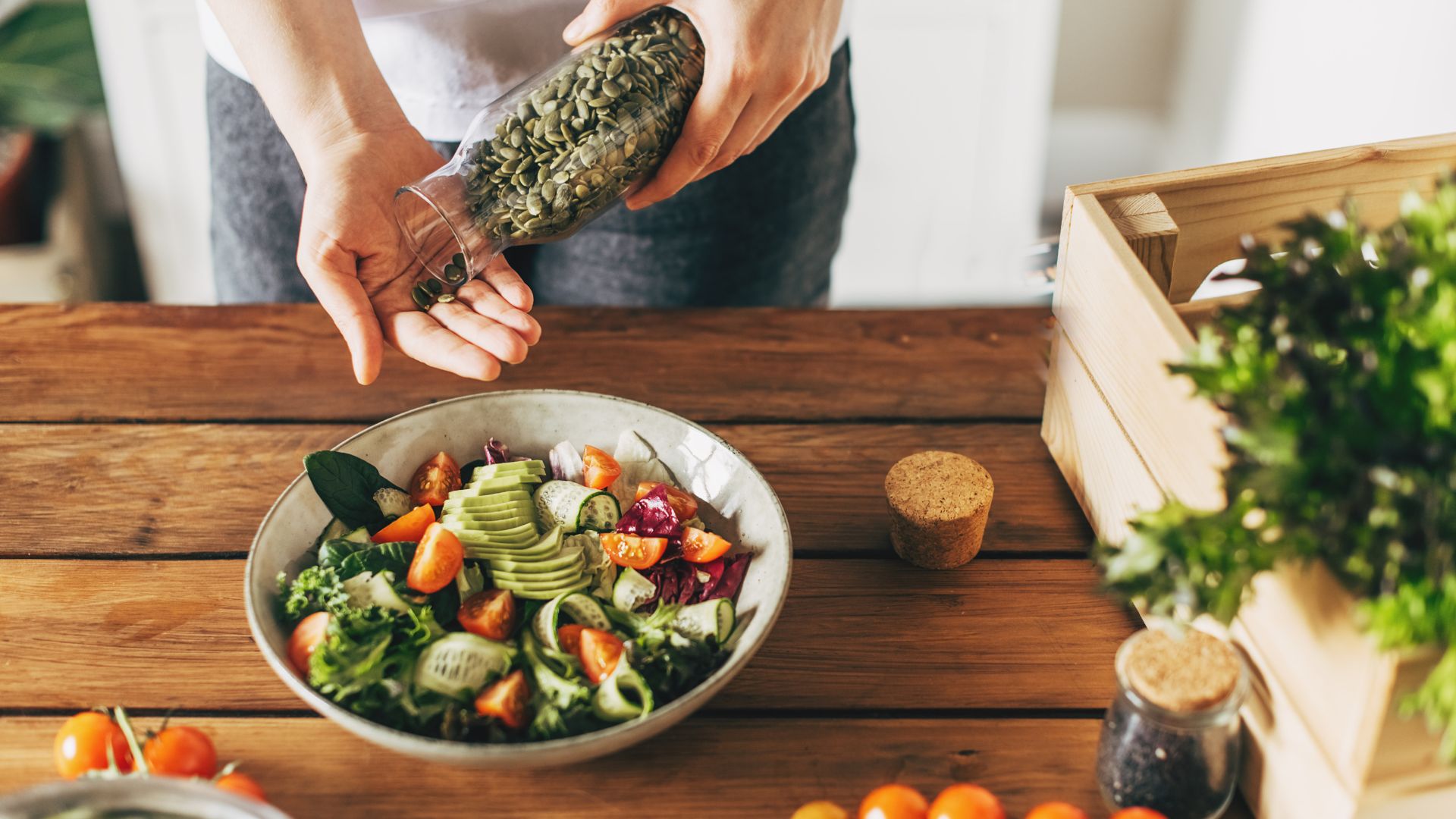
- Enhance meals with nuts and seeds: Adding these to salads or porridge can introduce beneficial omega-3 fatty acids.
- Include salads with meals: A mixed salad not only complements carbohydrate-heavy dishes but also boosts plant intake.
- Incorporate gut-friendly foods: Staples like kimchi and lentils can serve as nutritious sides or meal bases.
- Experiment with diverse ingredients: Explore seasonal vegetables beyond common staples to enrich your meals.
- Engage in culinary challenges: Try picking a vegetable at random during grocery shopping to inspire new recipe creations.
Additional Advantages of Embracing Plant Variety
The merits of a predominantly plant-based diet extend beyond individual health. Recent studies indicate an increasing shift in the UK towards plant-based alternatives, rising from 7% in 2008 to 13% in 2019. This trend aligns with the growing diversity of plant-based foods available in supermarkets.
A varied plant diet offers numerous nutrients, dietary fiber, and phytochemicals, which are vital for a robust immune system. This diet style can enhance blood glucose regulation, thereby aiding in the prevention of obesity and diabetes. Moreover, proteins and vitamins from plant sources play a crucial role for women, particularly during perimenopause, helping to maintain muscle and bone health through exercise.
To optimize dietary health, it’s essential to limit ultra-processed foods and consume adequate calcium and vitamin C.
The Takeaway on Dietary Recommendations
Like the previously popularized 10,000 steps a day guideline the ‘5-a-day’ model has its limitations. Dietary and exercise needs are not one-size-fits-all, as factors like age, lifestyle, and genetics significantly influence individual requirements. As we move forward in understanding nutrition, embracing plant diversity may offer the best path toward optimized health.
