


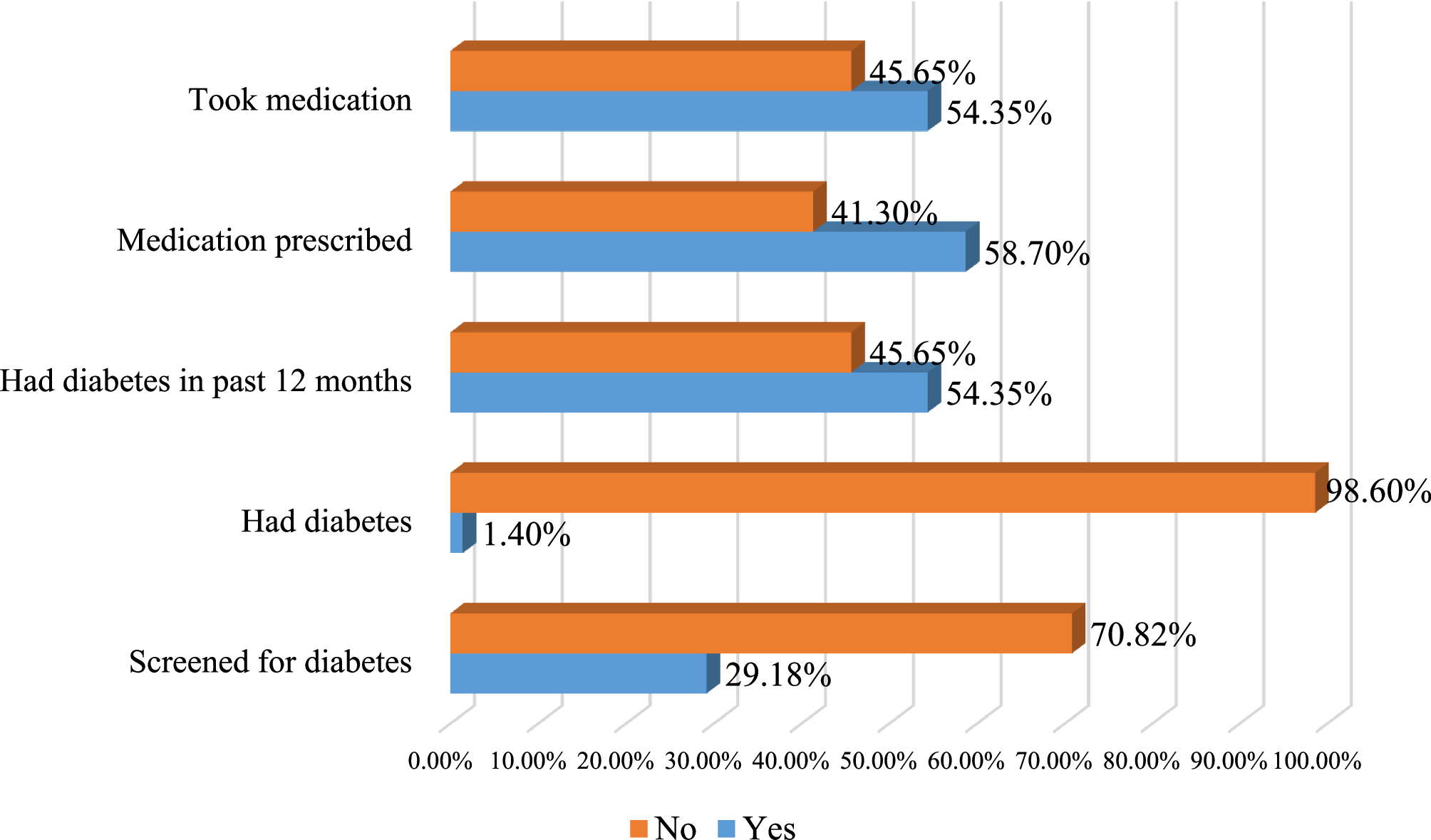
Overview of Study Design and Data Sources
This analysis utilized data derived from the 2023-2024 Lesotho Demographic and Health Survey (LDHS), a national cross-sectional study orchestrated by the Lesotho Ministry of Health (MoH). Notably, this iteration marks the fourth round of DHS conducted in Lesotho since 2004. Data collection commenced on November 27, 2023, and concluded on February 29, 2024. Researchers accessed the relevant datasets through the DHS website, following a formal request outlining the study’s objectives. The Individual Record (IR) file specifically pertains to various aspects including pregnancy, postnatal care, immunization, maternal and child health, and nutrition-related information concerning mothers.
Sample Population and Selection Methodology
The study comprised a sample of 3,297 women aged 15 to 49 years. The sampling framework for the 2023-2024 LDHS was built upon data from the 2016 Population and Housing Census (PHC), which was maintained by the Lesotho Bureau of Statistics (BoS). The sampling frame is a comprehensive list of census enumeration areas (EAs), which typically encompass around 100 households in urban settings or may include multiple villages in rural locales. Within Lesotho’s administrative structure, there are 10 districts, further divided into constituencies and community councils.
Household selection for the survey was stratified across urban, peri-urban, and rural categories, culminating in a total of 29 sampling strata. Initially, 400 EAs were chosen using a probability proportional to size method, ensuring random selection across each stratum. In the subsequent stage, 25 households from each selected EA were randomly selected, allowing eligible respondents—women who were either permanent residents of or had stayed overnight in the chosen households—to participate in the Woman’s Questionnaire. For more detailed information on demographics, sampling techniques, and questionnaires, the 2023-2024 LDHS final report offers additional insights.
Variables of Interest
Primary Outcome Variable
One of the key focus areas of this study is diabetes mellitus (DM) screening. This variable is derived from the survey question: “Had blood sugar measured by doctor or other healthcare worker?” Responses of “yes” were coded as “1” indicating screening, while “no” or “don’t know” responses were coded as “0” indicating lack of screening.
Independent Factors
The study encompassed both individual and community-level variables.
- Individual-Level Factors: These included respondents’ age categories (15-24, 25-34, 35-49 years), education level (no education, primary, secondary/higher), marital status (unmarried, married), employment status (not working, working), wealth index (poor, middle, rich), media exposure (no, yes), health insurance status (no, yes), pregnancy status (no, yes), the number of antenatal care (ANC) visits (<4 visits, 4+ visits), healthcare facility visits in the last year (no, yes), and distance to health facilities (big problem, not a big problem).
- Community-Level Factors: These encompassed place of residence (urban, rural), community-level education (low, high), community media exposure (low, high), and community poverty levels (low, high).
Detailed Examination of Independent Variables
Media exposure was quantified through three mediums: newspapers, television, and radio. A woman was classified as media-exposed if she interacted with any one of these media types.
Wealth status was divided into three distinct categories: poor (comprising poorest and poorer groups), middle, and rich (encompassing richer and richest groups).
Community-level media exposure was assessed based on the percentage of women exposed to at least one form of media. Communities were classified as having low exposure if less than 50% of women engaged with media and high if more than 50% were engaged.
Poverty rates within communities were determined by the percentage of women belonging to the lowest wealth quintiles. Classification followed similar parameters to media exposure.
Data Management and Statistical Analysis
Data preparation for analysis involved cleaning and recoding the 2023-2024 LDHS datasets utilizing STATA/SE version 14.0 software. Descriptive statistics, including frequencies, percentages, means, and standard deviations, illustrated the demographic and community variables effectively through tables and graphics.
Given the hierarchical nature of the DHS dataset, assumptions about independent observations and equal variance were necessary. Consequently, a multilevel logistic regression model was applied to identify factors associated with DM screening. This model encompassed four iterations:
- Null Model (only the outcome variable)
- Model I (individual-level variables)
- Model II (community-level variables)
- Model III (both individual and community-level variables)
The analysis of variance among clusters was evaluated through the intra-class correlation coefficient (ICC) and proportional change in deviance (PCV), determining how community-level variables influence DM screening. Statistical significance for variables was denoted by p-values lower than 0.05 alongside adjusted odds ratios (AOR) with 95% confidence intervals.
Assessing Random Effects
The evaluation of random effects related to DM screening involved calculating the median odds ratio (MOR), ICC, and PCV. The ICC reflects the variability of DM screening between clusters, mathematically expressed as ICC = VC / (VC + 3.29) × 100%, where VC denotes cluster-level variance.
The MOR conveys the relative risks of screening across differing clusters, while the PCV indicates the extent to which community-level factors contribute to the variability noted in the null model. By utilizing clusters as random variables, these statistical metrics provide crucial insights into the dynamics influencing diabetes screening among women in Lesotho.
