


Exploring Today’s Hot Topics in India
Several compelling issues have captured the attention of social media users and the public in India recently. From the remarkable ownership of gold among Indian women to Japan’s eagerness to attract Indian talent, alongside significant technological changes by the Reserve Bank of India (RBI), and the establishment of Asia’s largest hospital in Pune named after a cultural icon, these topics are generating lively discussions.
Gold Holdings Among Indian Women
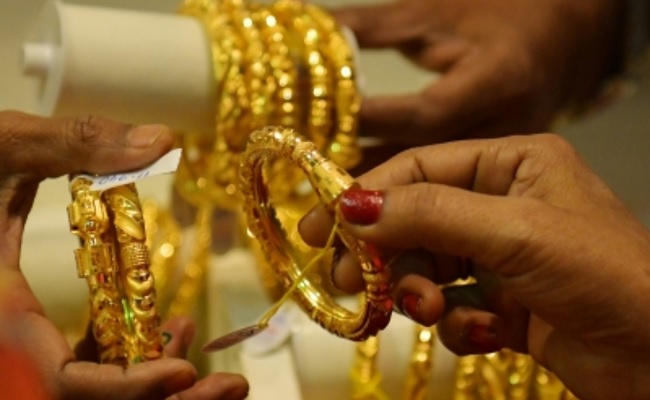
Recent statistics indicate that Indian women possess an astounding 25,000 tonnes of gold. This translates to approximately 11% of the world’s total jewelry holdings. The revelation has sparked a myriad of reactions on platforms like Twitter, where users humorously draw comparisons between Indian households and Fort Knox, emphasizing both admiration for traditional practices and concern over the implications of such wealth being idle when national investments could be enhanced.
Japan’s Outreach to Indian Professionals
As the United States tightens its immigration policies, Japan is proactively courting Indian students and professionals. Amidst growing concerns regarding H-1B visa limitations, Tokyo’s initiative to attract talent highlights its ambitions to create a more global workforce. Trending hashtags such as #WorkInJapan and #StudyInJapan reflect a significant shift in aspirations, with many young Indians contemplating opportunities beyond Silicon Valley, now looking towards Shibuya.
RBI’s New Technology Initiative
The Reserve Bank of India has announced a groundbreaking measure that could allow banks to remotely lock mobile devices in cases of loan defaults. This bold step has raised eyebrows, with proponents arguing that it could mitigate bad loans. Meanwhile, critics voice concerns regarding privacy, and humorous memes circulate, teasing that a single missed payment could result in banks seizing control of personal devices.
Asia’s Largest Hospital Honoring Lata Mangeshkar
In a commendable move, the Maharashtra government has declared its intentions to build Asia’s largest hospital in Pune, which will bear the name of the legendary playback singer, Lata Mangeshkar. This initiative has been broadly welcomed online, with many lauding the tribute. Comments such as “From songs that healed our hearts to a hospital that will heal lives” encapsulate the sentiment surrounding this decision, which aims to provide top-tier medical services while honoring a beloved cultural figure.
Conclusion
These four topics not only illuminate significant aspects of Indian society today but also illustrate the evolving landscape in which tradition, technology, and well-being intertwine. As discussions continue to unfold, the impacts of these developments will be closely monitored in both domestic and global contexts.
